Cerkiew Prawosławna

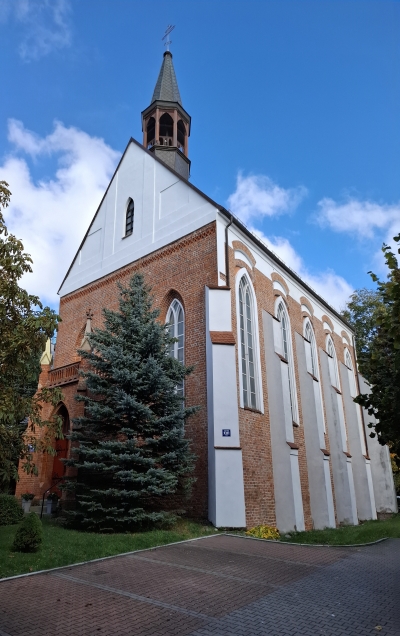
Kościół zamkowy, gotycki z przełomu XIII i XIV w. - obecnie Cerkiew Prawosławna. Świątynia powstała ok. 1300 r. jako kościół klasztorny cysterek przybyłych do Koszalina w 1278 r. Najstarsza wzmianka o kościele pochodzi z 1491 r.


Historia kościoła będącego pierwotnie świątynią klasztorną cysterek koszalińskich sięga XIII wieku. Klasztor ufundowano w 1278 roku, a kaplica wzmiankowana była w 1295 roku. W 1401 roku otrzymała ona przywilej odprawiania nabożeństw, nawet podczas interdyktu i banicji, jeżeli takie zostałyby nałożone na miasto. Kościół służył cysterkom do czasów reformacji, kiedy to mniszki opuściły Koszalin. Później popadł w ruinę, lecz na początku XVII wieku został odbudowany przez księcia Franciszka I w latach 1602-1609 jako kościół zamkowy, połączony nadziemnym, krytym korytarzem z rezydencją.


Znacznie uszkodzony w czasie pożaru miasta w 1718r. W latach 1818-1819 doczekał się generalnego remontu, otrzymał nowe wyposażenie (organy 1863). W 1953r. przekazany Polskiemu Autokefalicznemu Kościołowi Prawosławnemu, pełni funkcje sakralne.
Cerkiew Prawosławna
Cerkiew Prawosławna - dawny kościół zamkowy

Visit Social media:

Share Social media:

How it working

To listen to the history of monuments as part of the "Discover History" project, you need to follow a few simple steps. Below, we present a short, step-by-step "user manual" to provide a relatively simple way to access the mini-auditions.

STEP 1

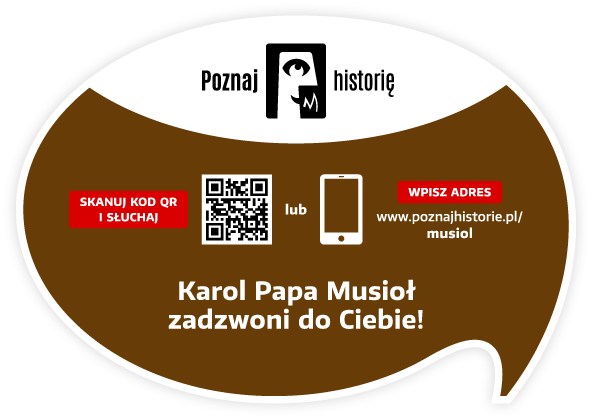
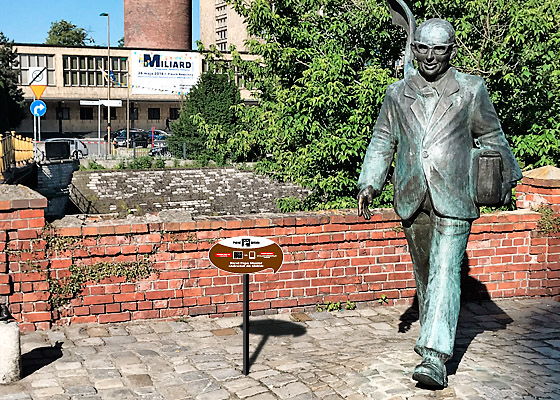
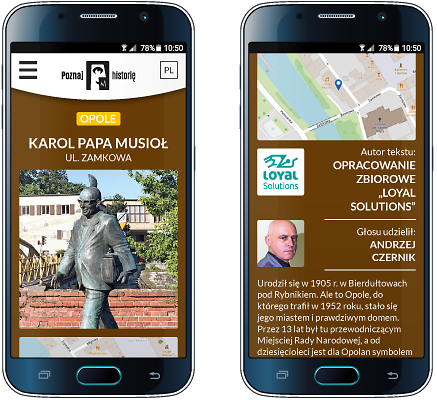
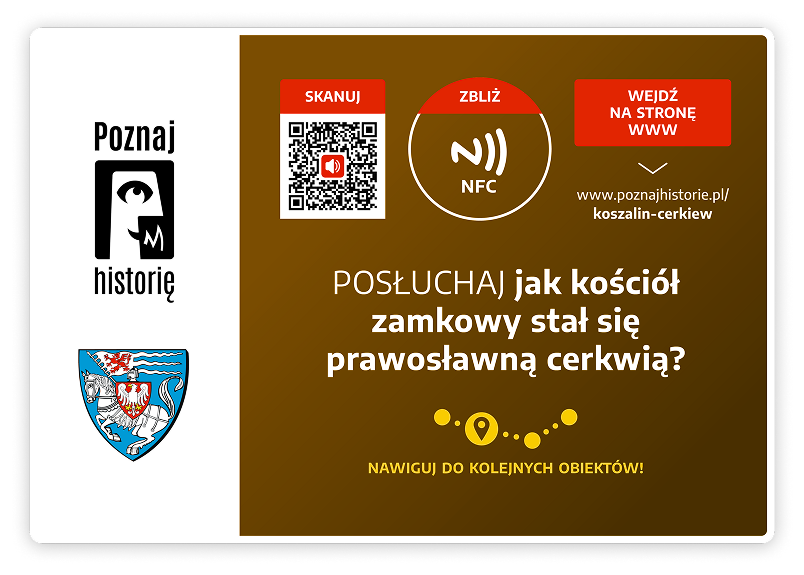
You need a smartphone with a camera. The camera lens should be pointed at the information plaque located next to the monument. Below is a view of the plaque itself and its example location next to the Karol Musioł monument in Opole.

STEP 2

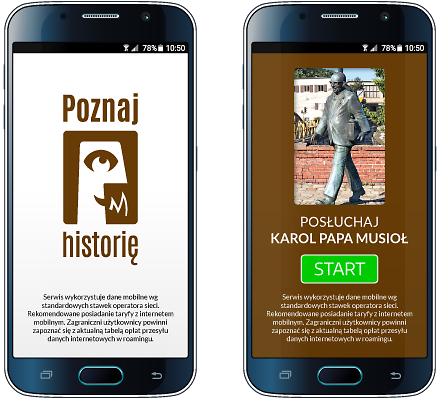
After pointing your smartphone's camera at the QR code located on the right side of the plaque, the app's welcome screen will appear, followed by a screen with the name, photo of the monument, and the "START" button.

STEP 3

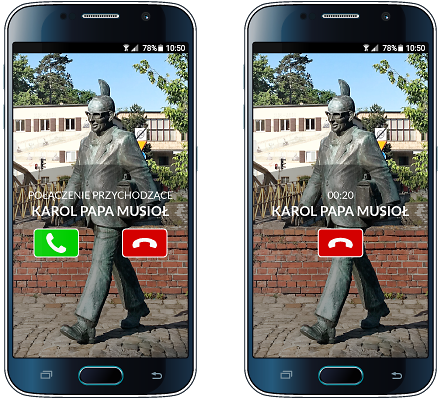
The "START" button starts the audio recording process.
Your smartphone will prompt you with the next steps after you listen to the story or pause it. Please keep an eye on your smartphone screen!

STEP 4

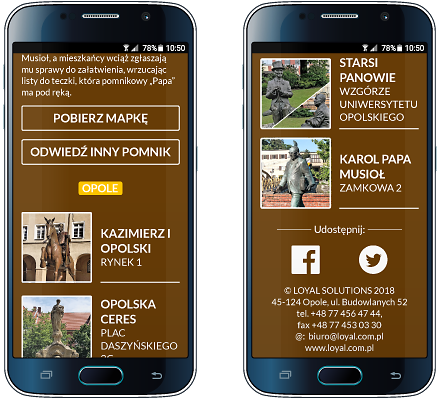
Other available options: brief information about the monument, author of the text and recording, list of other monuments in the city included in the "Discover History" project, downloadable map of monuments, video, and social media links


Would you like to implement the project in your city as well?

Contact

Project partners

Implementing the "Discover history" project in each city requires the involvement of many people: programmers, graphic designers, writers, actors, sound engineers, and coordinators. It is thanks to them that this project came to life.

Our ambition is to continually expand its reach. Therefore, we thank our current partners and invite additional cities, institutions, companies, and individuals to collaborate!


Would you like to become our Partner of the project or monument?

Contact

Contact

Are you interested in implementing the project in your city? Want to learn more? Want to learn more? Write to us, call us! We'll contact you and arrange a meeting. We'll prepare materials and a proposal for you.