Więzienie

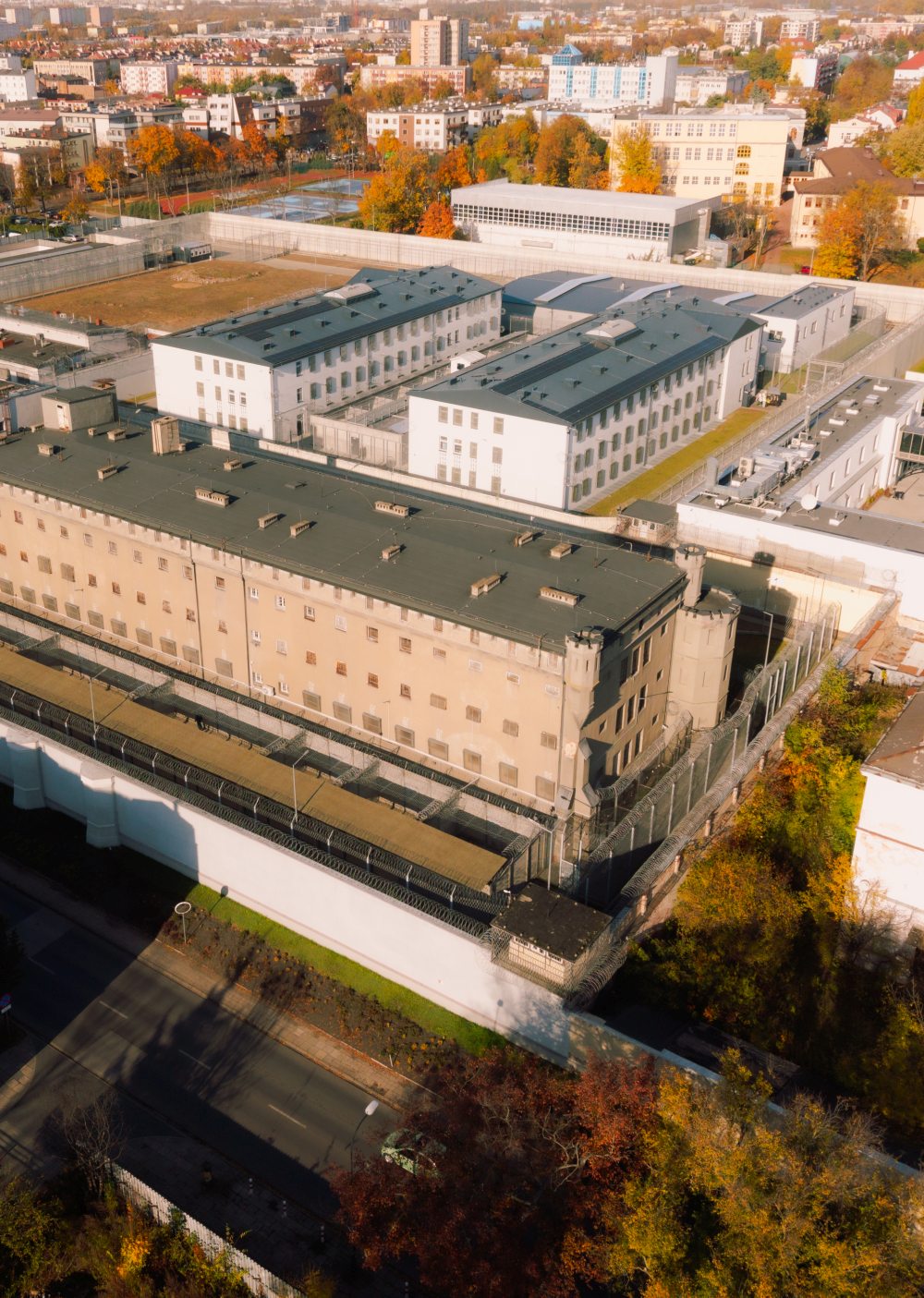
Nie, to nie jest zamek, choć tak wygląda! Narożne wieżyczki, mur z basztami i gotyckie ozdoby. Już w 1922 roku przewodnik po Płocku pisał, że ten gmach przypomina tajemnicze i groźne zamczysko. A to więzienie, najstarszy zakład karny w Polsce.

Pierwszy dwupiętrowy budynek stanął tu w 1803 roku. Wznieśli go Prusacy według projektu Dawida Gilly’ego, w stylu pruskiego neoklasycyzmu. Całość otoczyli murem, jak fortecę. Nad szeroką bramą widniał polski napis, wykuty złotymi literami w czarnym kamieniu: „Postrach rzuca na niecnych, dobrych ubezpiecza tym domem. Fryderyk Wilhelm III”. Próbowano go usunąć, ale przetrwał nawet wojnę. Zatarto go dopiero po niej, w latach pięćdziesiątych.

W 1831 roku, po upadku powstania listopadowego, Rosjanie zapełnili cele powstańcami z Mazowsza. Zabrakło tu wtedy miejsca na wszystkich tych, którzy nie pogodzili się z utratą przez Polskę niepodległości. Dlatego w 1846 roku obok wyrósł nowy gmach. To z kolei dzieło Henryka Marconiego, włoskiego architekta z Bolonii, który zaprojektował ponad 20 kościołów i 11 więzień. Oficjalnie miał w nim działać sąd, a tak naprawdę było to więzienie polityczne.
Więzienie
Więzienie

Visit Social media:

Share Social media:

How it working

To listen to the history of monuments as part of the "Discover History" project, you need to follow a few simple steps. Below, we present a short, step-by-step "user manual" to provide a relatively simple way to access the mini-auditions.

STEP 1

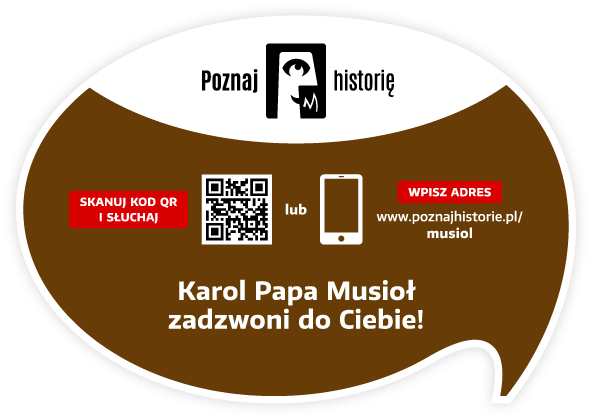
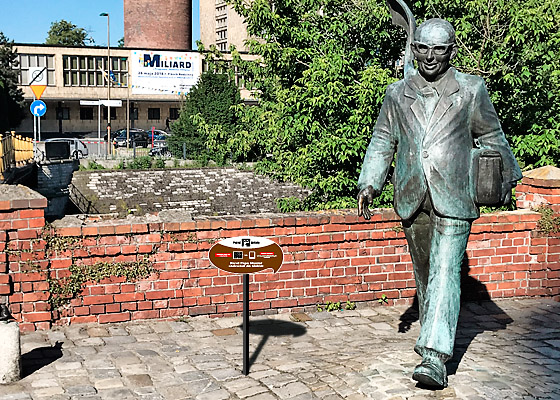
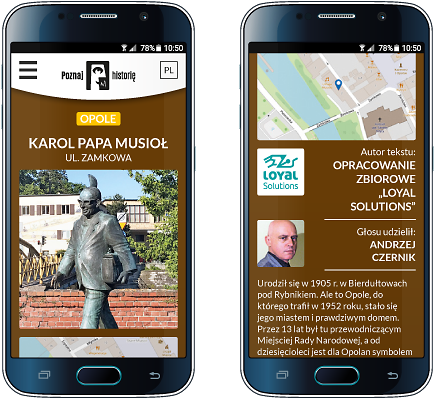
You need a smartphone with a camera. The camera lens should be pointed at the information plaque located next to the monument. Below is a view of the plaque itself and its example location next to the Karol Musioł monument in Opole.

STEP 2

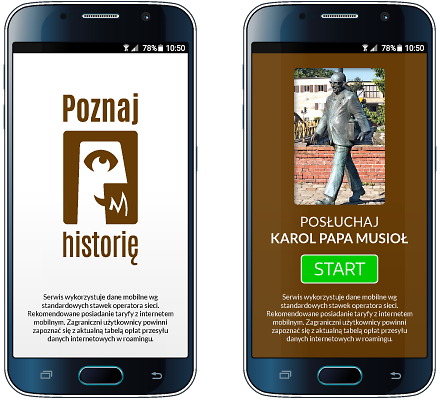
After pointing your smartphone's camera at the QR code located on the right side of the plaque, the app's welcome screen will appear, followed by a screen with the name, photo of the monument, and the "START" button.

STEP 3

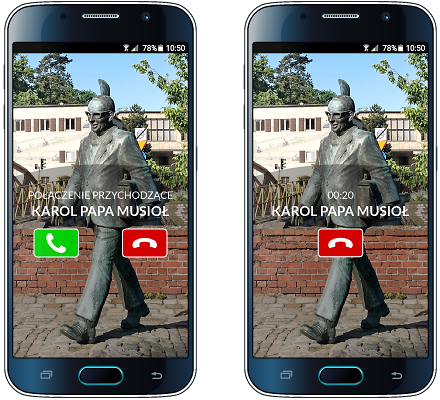
The "START" button starts the audio recording process.
Your smartphone will prompt you with the next steps after you listen to the story or pause it. Please keep an eye on your smartphone screen!

STEP 4

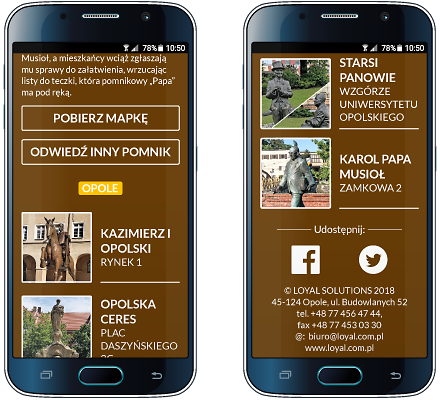
Other available options: brief information about the monument, author of the text and recording, list of other monuments in the city included in the "Discover History" project, downloadable map of monuments, video, and social media links


Would you like to implement the project in your city as well?

Contact

Project partners

Implementing the "Discover history" project in each city requires the involvement of many people: programmers, graphic designers, writers, actors, sound engineers, and coordinators. It is thanks to them that this project came to life.

Our ambition is to continually expand its reach. Therefore, we thank our current partners and invite additional cities, institutions, companies, and individuals to collaborate!


Would you like to become our Partner of the project or monument?

Contact

Contact

Are you interested in implementing the project in your city? Want to learn more? Want to learn more? Write to us, call us! We'll contact you and arrange a meeting. We'll prepare materials and a proposal for you.