Rynek w Bobolicach

Historia Bobolic to gotowy materiał na film. W ciągu swojej historii miasto przeżywało liczne wzloty i upadki. Bobolice otrzymały prawa miejskie w roku 1340 i wtedy też nastąpił ich rozkwit.

Miasto trapiły liczne pożary. Jeden z najtragiczniejszych miał miejsce w 1800  roku.  Niemal do samych fundamentów strawił wiele budynków w tym ratusz. Musiano postawić nowy, który stał do 1912 roku. Potem ratusz przeznaczono do rozbiórki. Od 1912 roku wygląd rynku zmienił się zupełnie. Zyskał on wtedy na wyglądzie, nasz piękny kościół stał się bardziej widoczny. Niestety wysiłek włożony w tym czasie w przebudowę centrum był niweczony przez kolejne pożary. Spłonęło wiele starych kamienic. Dziś pozostało ledwie kilka domów konstrukcji ryglowej z XVIII wieku. Na początku XX wieku spalił się także hotel von Gros przy rynku. Został jednak szybko odbudowany i w tej formie zachował się do dziś.  


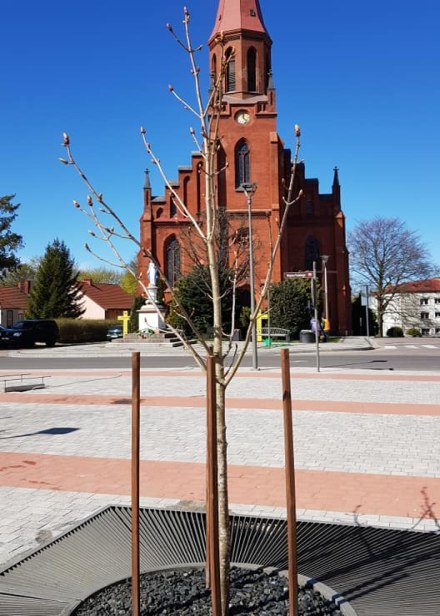
W roku 1886 na bazie pierwotnej świątyni z czasów lokalizacji miasta powstał neogotycki kościół. Tą charakterystyczną budowlę wzniesiono z czerwonej cegły. Kościół najpierw należał do luteran, a po 1945 roku przejęli go katolicy. Wtedy też stał się kościołem parafialnym.


Ważną rolę w Bobolicach pełnią kasztanowce. Najsłynniejszy z nich ma ponad 200 lat, stoi na rynku a mieszkańcy nazywają go Bobodziejem. W 2019 roku został on uznany pomnikiem przyrody. Natomiast 17 kwietnia 2020 roku, gdy obchodzono okrągłą rocznicę: 680-lecie nadania Bobolicom praw miejskich, na rynku posadzono nowe drzewko, tzw. Bobodziejka.
Rynek w Bobolicach
Rynek: Bobodziejek i Kościół wniebowzięcia NMP

Visit Social media:

Share Social media:

How it working

To listen to the history of monuments as part of the "Discover History" project, you need to follow a few simple steps. Below, we present a short, step-by-step "user manual" to provide a relatively simple way to access the mini-auditions.

STEP 1

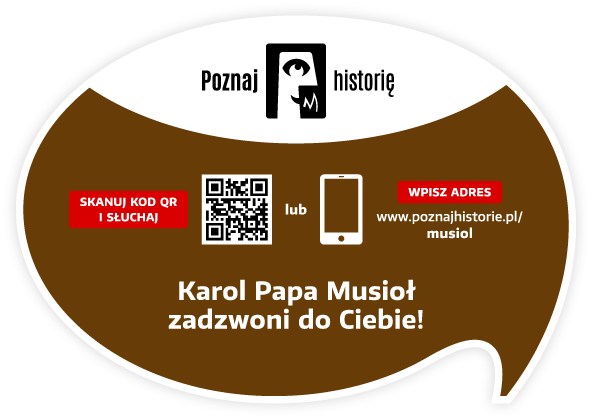
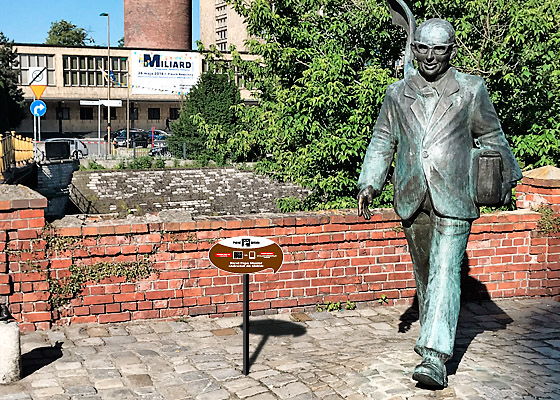
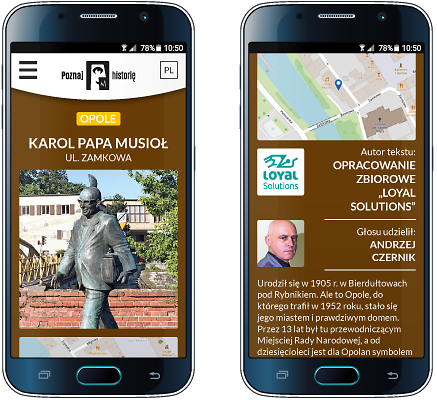
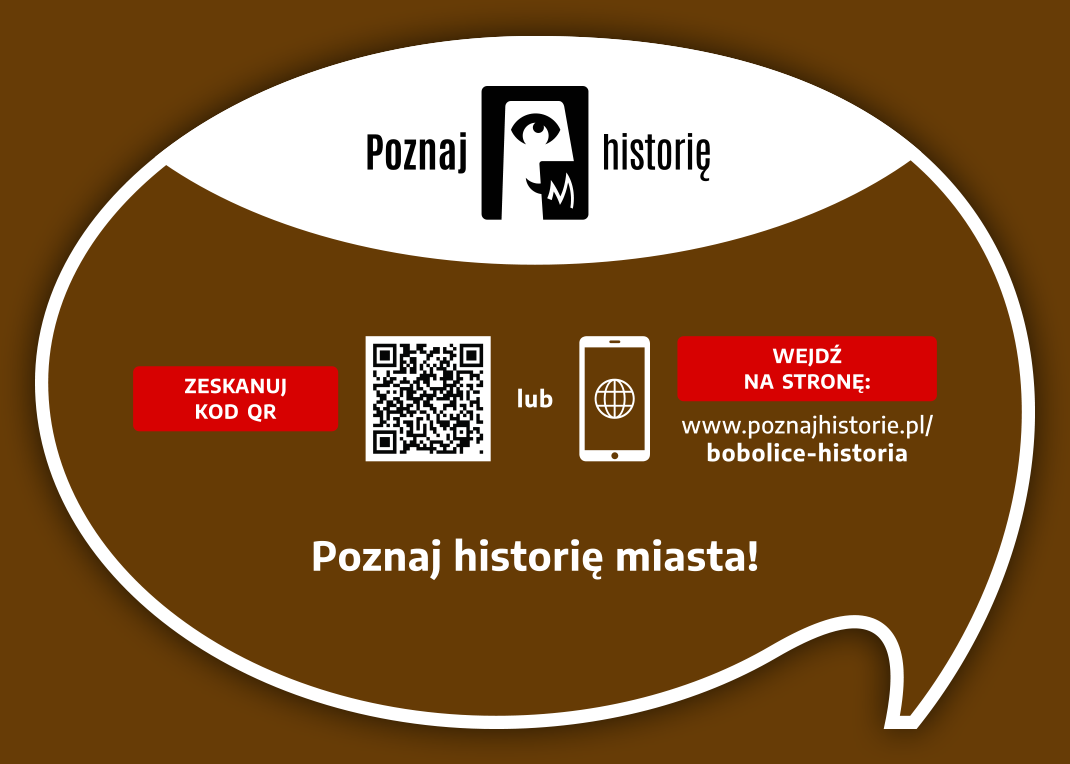
You need a smartphone with a camera. The camera lens should be pointed at the information plaque located next to the monument. Below is a view of the plaque itself and its example location next to the Karol Musioł monument in Opole.

STEP 2

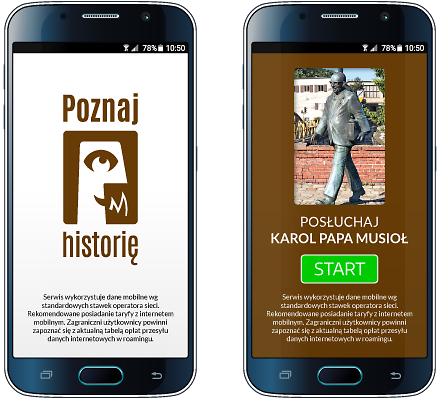
After pointing your smartphone's camera at the QR code located on the right side of the plaque, the app's welcome screen will appear, followed by a screen with the name, photo of the monument, and the "START" button.

STEP 3

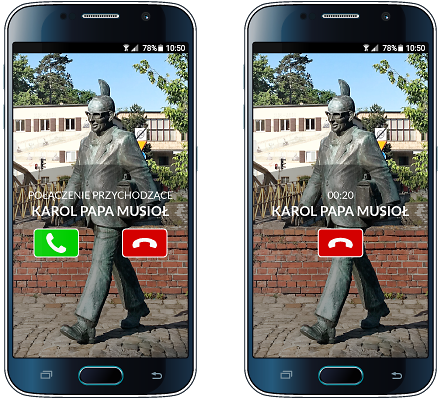
The "START" button starts the audio recording process.
Your smartphone will prompt you with the next steps after you listen to the story or pause it. Please keep an eye on your smartphone screen!

STEP 4

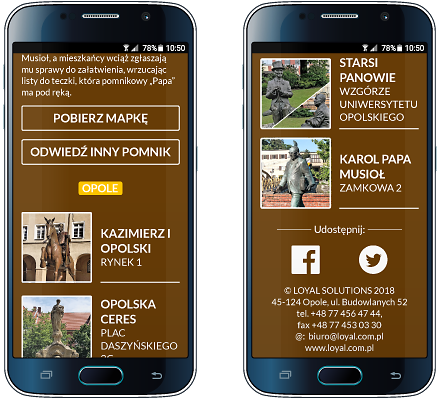
Other available options: brief information about the monument, author of the text and recording, list of other monuments in the city included in the "Discover History" project, downloadable map of monuments, video, and social media links


Would you like to implement the project in your city as well?

Contact

Project partners

Implementing the "Discover history" project in each city requires the involvement of many people: programmers, graphic designers, writers, actors, sound engineers, and coordinators. It is thanks to them that this project came to life.

Our ambition is to continually expand its reach. Therefore, we thank our current partners and invite additional cities, institutions, companies, and individuals to collaborate!


Would you like to become our Partner of the project or monument?

Contact

Contact

Are you interested in implementing the project in your city? Want to learn more? Want to learn more? Write to us, call us! We'll contact you and arrange a meeting. We'll prepare materials and a proposal for you.