Emanuel Kania

Choć Kania był postacią wybitną, to nawet jego najwięksi entuzjaści nie potrafią ustalić wielu szczegółów z jego życia. To, co wiemy na pewno, to fakt, że Emanuel Kania, urodził się w marcu 1827 roku w gorzowskich Uszycach.

Jego ojciec Urban był nauczycielem. Uczył śpiewu oraz gry na fortepianie i skrzypcach. To on zaraził syna pasją i dał mu solidne fundamenty muzyczne oraz pedagogiczne. Później młody talent dostał się pod skrzydła Karla Schnabla, wrocławskiego pianisty i budowniczego fortepianów. Po zakończeniu edukacji Kania postanowił pójść w ślady ojca i zaczął nauczać młodych adeptów fortepianu. Prowadził zajęcia najpierw w okolicznych wioskach, potem na trzy lata wyjechał do Berlina. To tam zaczął komponować swoje pierwsze utwory i tam też dał swoje pierwsze koncerty. Jednak prawdziwy rozgłos zyskał w Warszawie, do której przyjechał w 1853 roku, a trzy lata później koncertował już po całej Europie.

Kania pozostawił po sobie ponad 250 kompozycji. Są to głównie utwory fortepianowe w stylu salonowym: nokturny, romanse, walce, mazury, polonezy i etiudy. W swoim czasie zyskały one sporą popularność. Jest on także autorem pieśni oraz muzyki do wodewilu Jana Kantego Gregorowicza Werbel domowy. Do najbardziej interesujących kompozycji Kani można zaliczyć Trio fortepianowe g-moll oraz Sonatę wiolonczelową a-moll. W jego dorobku znajduje się również Koncert fortepianowy utrzymany w stylu brillant.

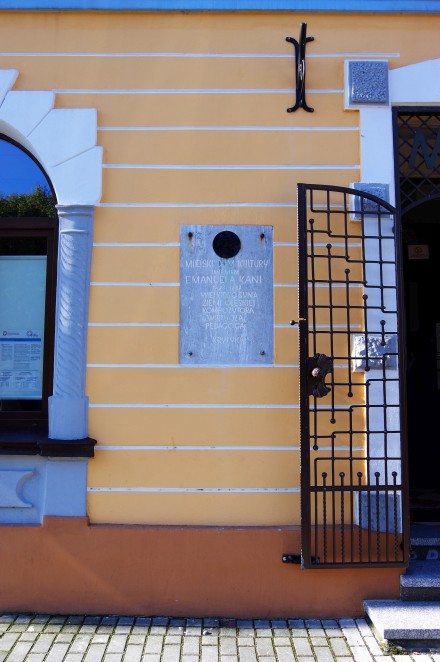
Emanuel Kania zmarł w 1887 roku.  Szkoła w Uszycach od przeszło 50 lat nosi imię tego utalentowanego kompozytora. Od 25 września 1966 roku Miejsko-Gminny Ośrodek Kultury w Gorzowie Śląskim nosi imię Emanuela Kani, a jego portret, namalowany przez Stefanię Gilowską ze Zdziechowic, zdobi ścianę sali muzycznej domu kultury.
Emanuel Kania
Miejski Dom Kultury wraz z pamiątkową tablicą.

Visit Social media:

Share Social media:

How it working

To listen to the history of monuments as part of the "Discover History" project, you need to follow a few simple steps. Below, we present a short, step-by-step "user manual" to provide a relatively simple way to access the mini-auditions.

STEP 1

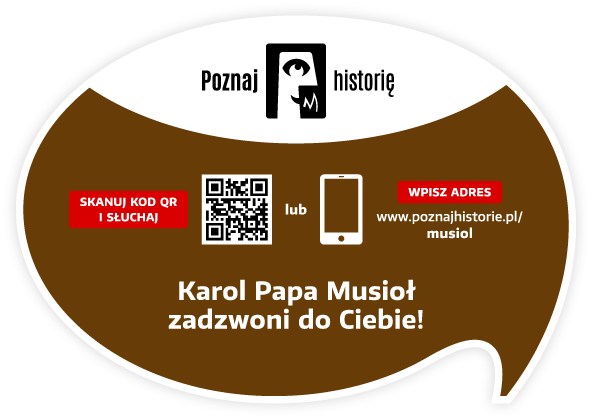
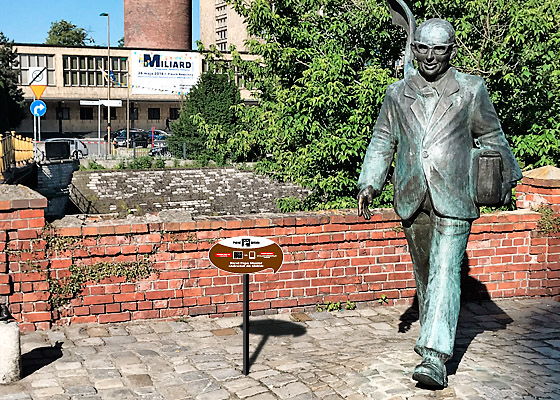
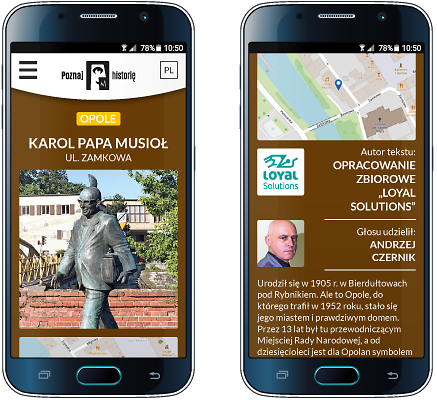
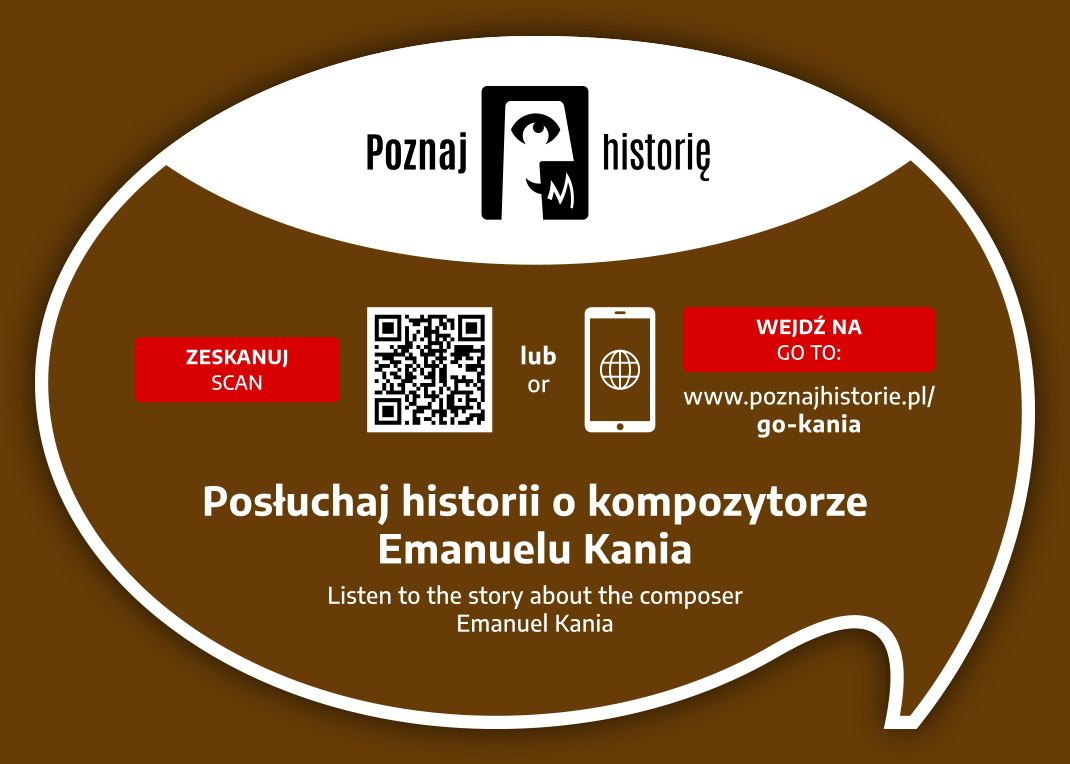
You need a smartphone with a camera. The camera lens should be pointed at the information plaque located next to the monument. Below is a view of the plaque itself and its example location next to the Karol Musioł monument in Opole.

STEP 2

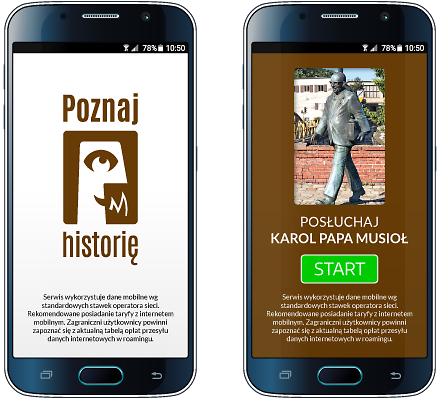
After pointing your smartphone's camera at the QR code located on the right side of the plaque, the app's welcome screen will appear, followed by a screen with the name, photo of the monument, and the "START" button.

STEP 3

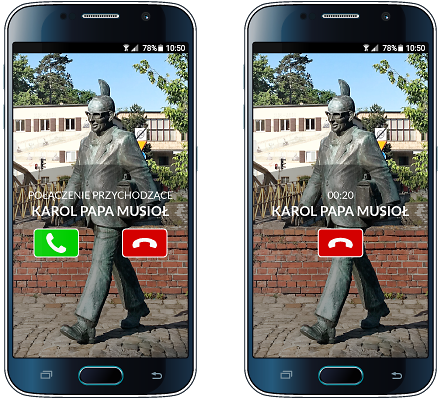
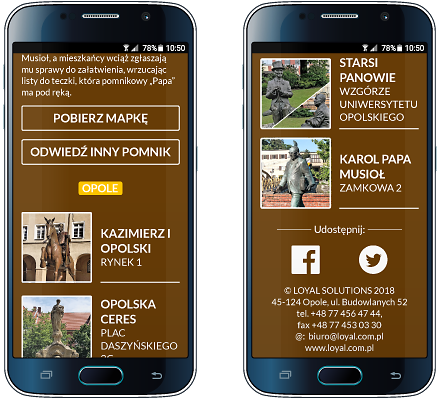
The "START" button starts the audio recording process.
Your smartphone will prompt you with the next steps after you listen to the story or pause it. Please keep an eye on your smartphone screen!

STEP 4

Other available options: brief information about the monument, author of the text and recording, list of other monuments in the city included in the "Discover History" project, downloadable map of monuments, video, and social media links


Would you like to implement the project in your city as well?

Contact

Project partners

Implementing the "Discover history" project in each city requires the involvement of many people: programmers, graphic designers, writers, actors, sound engineers, and coordinators. It is thanks to them that this project came to life.

Our ambition is to continually expand its reach. Therefore, we thank our current partners and invite additional cities, institutions, companies, and individuals to collaborate!


Would you like to become our Partner of the project or monument?

Contact

Contact

Are you interested in implementing the project in your city? Want to learn more? Want to learn more? Write to us, call us! We'll contact you and arrange a meeting. We'll prepare materials and a proposal for you.