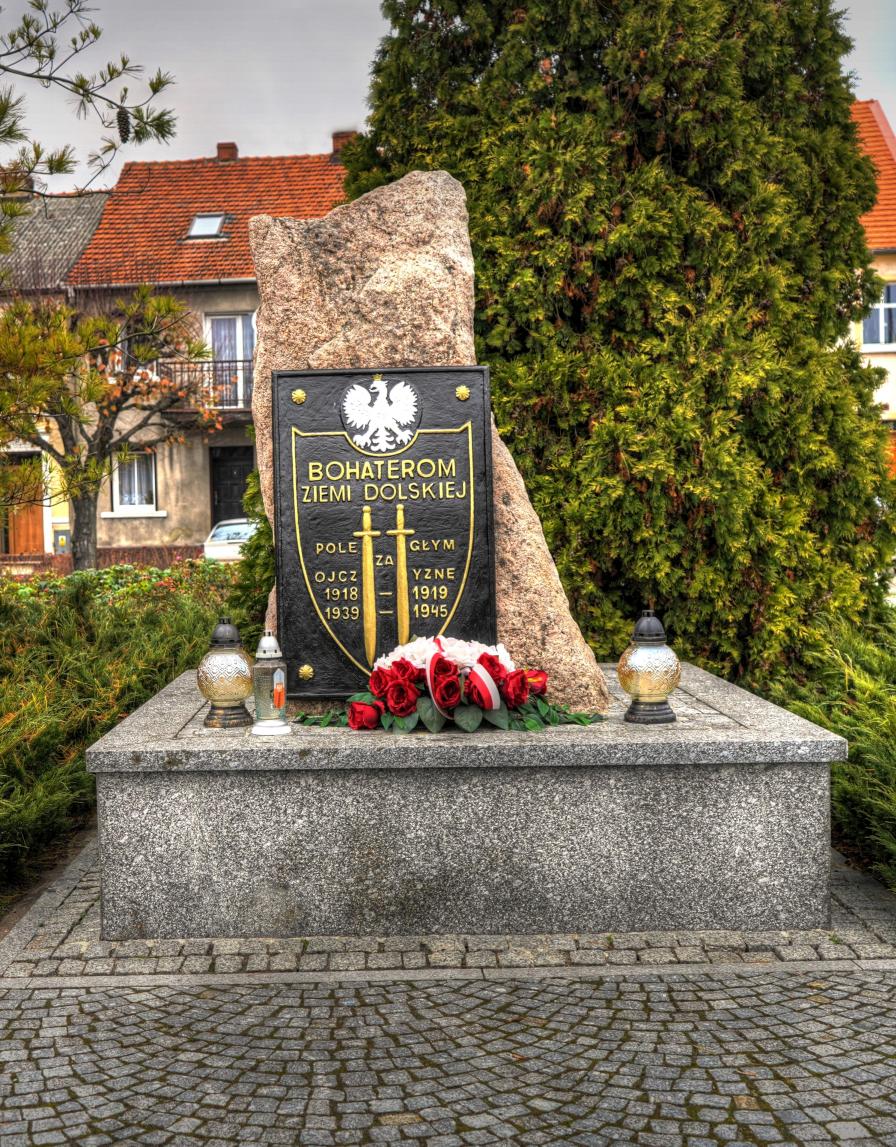
Pomnik Bohaterów Ziemi Dolskiej

Dolszczanom jak mało komu należy się pamięć. Gdy ważyły się losy ojczyzny zawsze stawali w obronie polskości. Tak było chociażby podczas powstania wielkopolskiego. W szeregach powstańców znaleźli się liczni mieszkańcy Dolska, jak i okolicznych wsi.

Na wieść o wybuchu Powstania zorganizowano kompanię dolską. Przewodził nią Tomasz Paul, wówczas podporucznik. Źródła historyczne mówią, że ponad stu dolszczan znalazło się w szeregach powstańców. Kompania Tomasza Paula wsławiła się niezwykłą odwagą. Ochotnicy dowiedli jej już na samym początku, podczas ataku na koszary pruskie w Śremie. Tylko nieliczni mieli pistolety czy przestarzałe fuzje, a większość była uzbrojona jedynie w kije. Mimo to w nocy z 29 na 30 grudnia 1918 roku udało im się zdobyć koszary i trzymaną w nich broń. Dolscy powstańcy walczyli potem głównie pod Rawiczem i Zbąszyniem. Dzięki ich heroicznemu zrywowi Wielkopolska stała się wolna od zaborcy.

Wolność nie trwała jednak długo. Przyszedł rok 1939 - wyjątkowo tragiczny dla mieszkańców Dolska. Zaczęły się publiczne egzekucje. Wybranych wzywano na rozmowy na posterunek policji pod pretekstem złożenia wyjaśnień. Tam czekał ich trwający najwyżej kwadrans przewód sądowy, w którym świadkami byli wyłącznie miejscowi Niemcy.

W ten podstępny sposób 20 października rozstrzelano majora Paula a także wielu innych obywateli Dolska i okolic. Zimą tego roku nastąpiło też masowe wysiedlanie. W 1942 roku miała natomiast miejsce kolejna publiczna egzekucja...

Pomnik upamiętnia Bohaterów Ziemi Dolskiej. Odsłonięto go w 1978 roku, a po renowacji rynku odnowiono w roku 2014. Tablicę na granitowym głazie wykonano w Odlewni Żeliwa HCP w Śremie.

Dofinansowano ze środków Muzeum Historii Polski w Warszawie w ramach programu "Patriotyzm Jutra".
Pomnik Bohaterów Ziemi Dolskiej

Visit Social media:

Share Social media:

How it working

To listen to the history of monuments as part of the "Discover History" project, you need to follow a few simple steps. Below, we present a short, step-by-step "user manual" to provide a relatively simple way to access the mini-auditions.

STEP 1

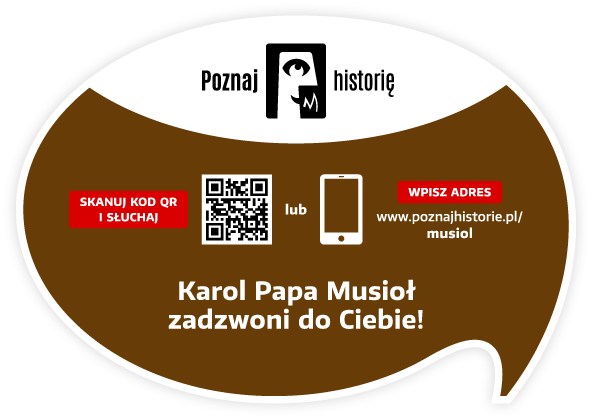
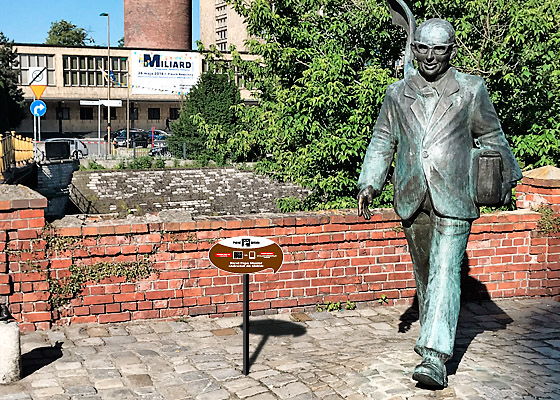
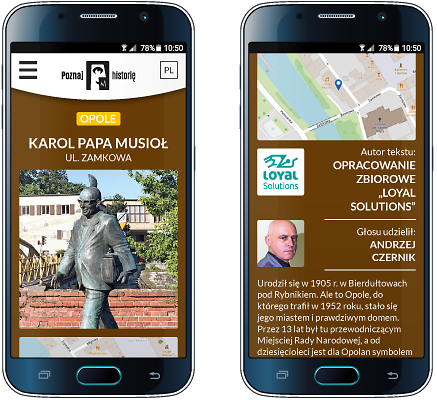
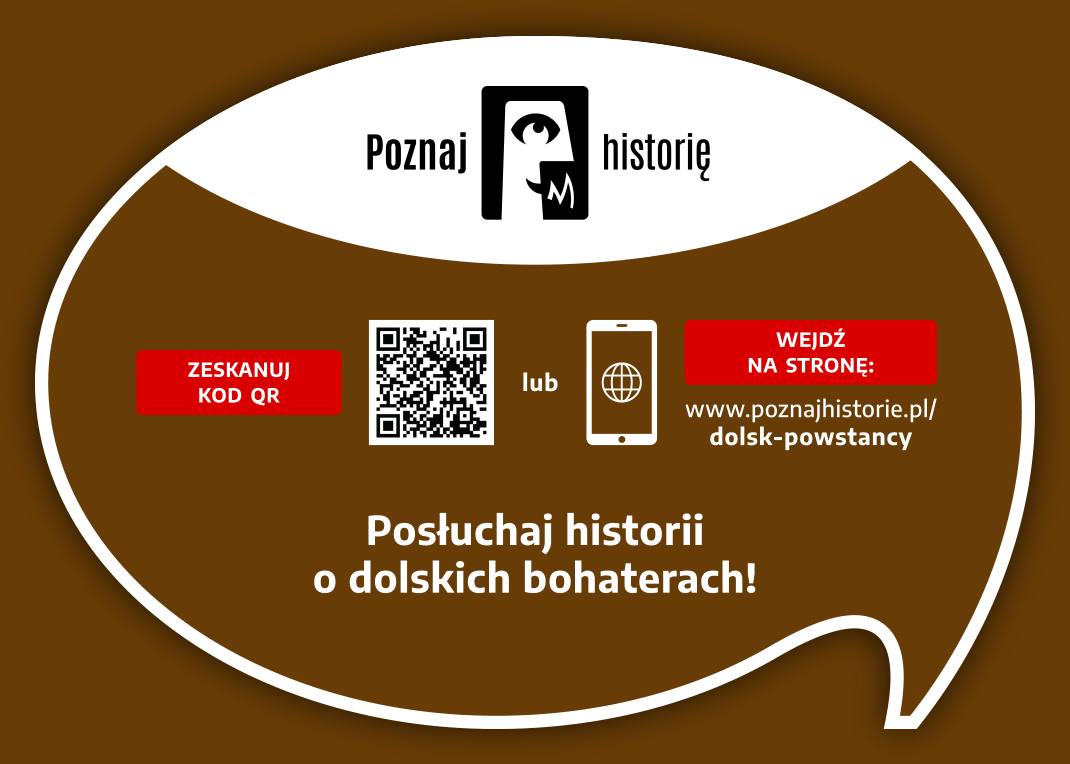
You need a smartphone with a camera. The camera lens should be pointed at the information plaque located next to the monument. Below is a view of the plaque itself and its example location next to the Karol Musioł monument in Opole.

STEP 2

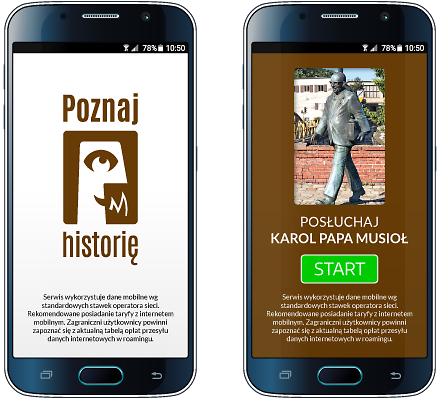
After pointing your smartphone's camera at the QR code located on the right side of the plaque, the app's welcome screen will appear, followed by a screen with the name, photo of the monument, and the "START" button.

STEP 3

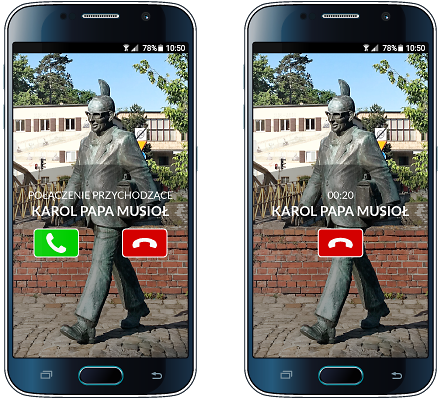
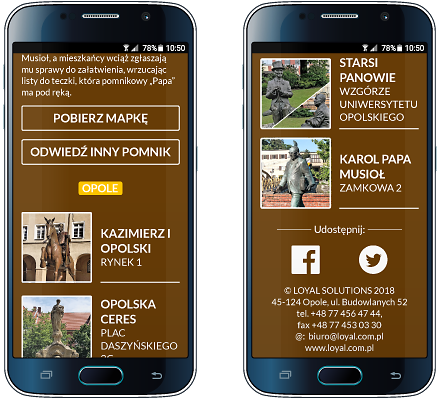
The "START" button starts the audio recording process.
Your smartphone will prompt you with the next steps after you listen to the story or pause it. Please keep an eye on your smartphone screen!

STEP 4

Other available options: brief information about the monument, author of the text and recording, list of other monuments in the city included in the "Discover History" project, downloadable map of monuments, video, and social media links


Would you like to implement the project in your city as well?

Contact

Project partners

Implementing the "Discover history" project in each city requires the involvement of many people: programmers, graphic designers, writers, actors, sound engineers, and coordinators. It is thanks to them that this project came to life.

Our ambition is to continually expand its reach. Therefore, we thank our current partners and invite additional cities, institutions, companies, and individuals to collaborate!


Would you like to become our Partner of the project or monument?

Contact

Contact

Are you interested in implementing the project in your city? Want to learn more? Want to learn more? Write to us, call us! We'll contact you and arrange a meeting. We'll prepare materials and a proposal for you.