Budynki byłych Zakładów Ziemniaczanych

Witaj, wędrowcze. Nazywam się Marian Ginter i w latach 70. byłem wice dyrektorem Zakładów Ziemniaczanych w Luboniu. Jestem tu, żebyś usłyszał to, co słyszę ja, gdy zamykam oczy. Nie maszyny. Nie dym. Nie syreny. Tylko głosy kilku pokoleń Luboniań. Miesza się w nich radość, strach, rozpacz i podziw. Pozwól, że krótko opowiem ci, co mówią…

Wiedz, że historia tego miejsca nie zaczyna się ode mnie. Ja przyszedłem później. Był listopad 1904 roku. Wtedy spółki niemieckich firm wykupiły od polskich rolników tereny, na których powstały dwa oddzielne zakłady Koehlmanna. Pierwszą była Fabryka Przetworów Ziemniaczanych, drugą Fabryka Drożdży.

Jak na tamte czasy, wszystko tu było bardzo nowoczesne. Sąsiedzi z fabryki drożdży Sinnerów mieli co prawda bardziej monumentalne gmachy. Nawiązywały do stylu romańskiego i gotyckiego, przypominając średniowieczne warownie czy katedry.   Ale Koehlmann postawił u nas na coś innego. Jugendstil, czyli młody styl, znany w Polsce jako secesja. Ozdobne gzymsy, faliste szczyty, balkony, wnęki, okna ze swoim dekoracyjnym układem — to wszystko zachwycało nawet mniej wrażliwe na sztukę oczy. Dziś wrażenie robią nawet ruiny. O, choćby okazałej willi dyrektora. 
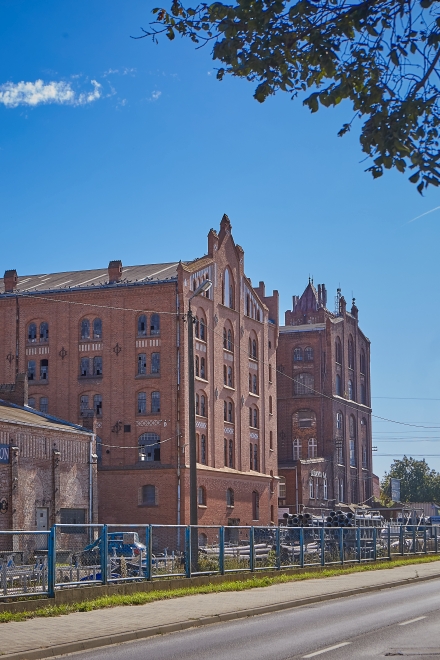
Budynki byłych Zakładów Ziemniaczanych
Budynki byłych Zakładów Chemicznych

Visit Social media:

Share Social media:

How it working

To listen to the history of monuments as part of the "Discover History" project, you need to follow a few simple steps. Below, we present a short, step-by-step "user manual" to provide a relatively simple way to access the mini-auditions.

STEP 1

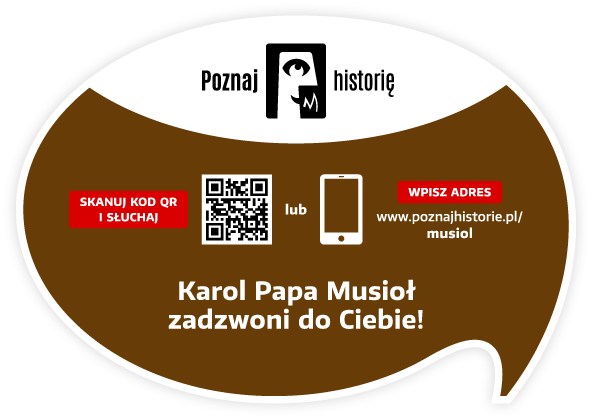
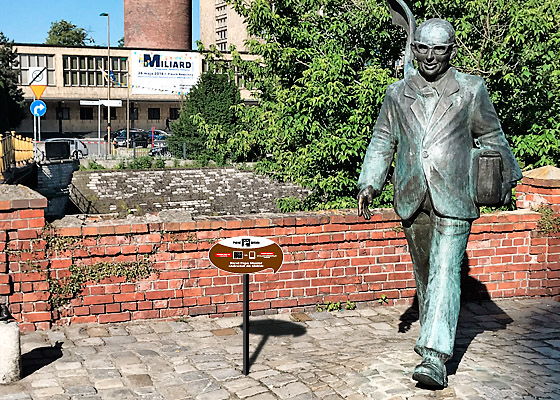
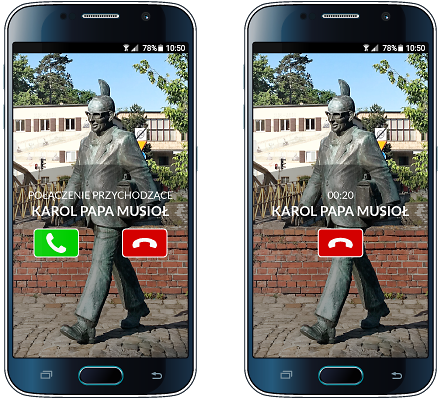
You need a smartphone with a camera. The camera lens should be pointed at the information plaque located next to the monument. Below is a view of the plaque itself and its example location next to the Karol Musioł monument in Opole.

STEP 2

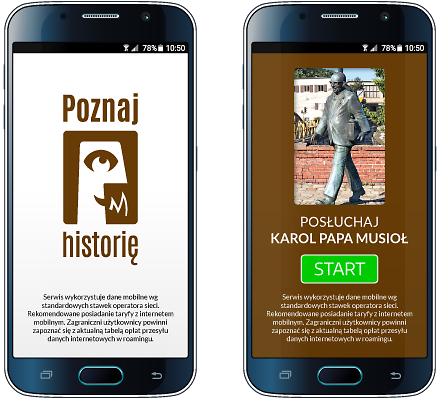
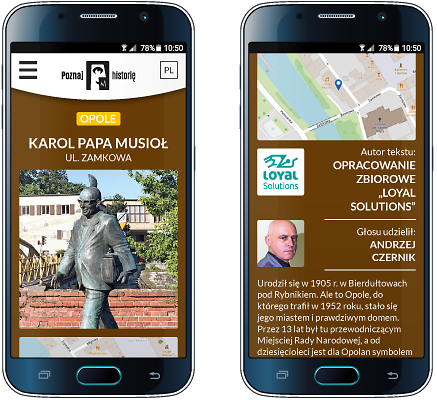
After pointing your smartphone's camera at the QR code located on the right side of the plaque, the app's welcome screen will appear, followed by a screen with the name, photo of the monument, and the "START" button.

STEP 3

The "START" button starts the audio recording process.
Your smartphone will prompt you with the next steps after you listen to the story or pause it. Please keep an eye on your smartphone screen!

STEP 4

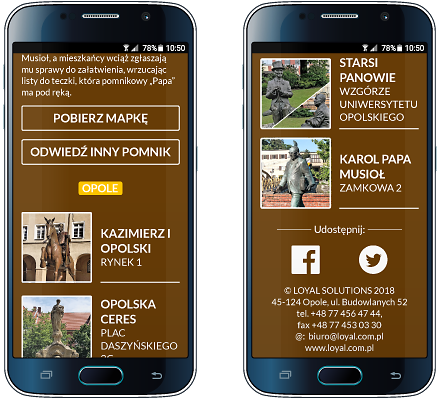
Other available options: brief information about the monument, author of the text and recording, list of other monuments in the city included in the "Discover History" project, downloadable map of monuments, video, and social media links


Would you like to implement the project in your city as well?

Contact

Project partners

Implementing the "Discover history" project in each city requires the involvement of many people: programmers, graphic designers, writers, actors, sound engineers, and coordinators. It is thanks to them that this project came to life.

Our ambition is to continually expand its reach. Therefore, we thank our current partners and invite additional cities, institutions, companies, and individuals to collaborate!


Would you like to become our Partner of the project or monument?

Contact

Contact

Are you interested in implementing the project in your city? Want to learn more? Want to learn more? Write to us, call us! We'll contact you and arrange a meeting. We'll prepare materials and a proposal for you.