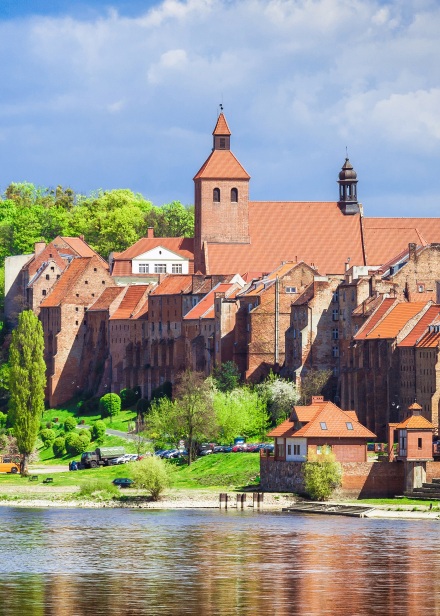
Spichlerze

Rok 1291 był dla Grudziądza kluczowy. Niewielki gród stał się wtedy szybko rosnącym miastem, a niedługo później w jego krajobrazie zaczęły pojawiać się słynne spichlerze.

Nie wiadomo dokładnie kiedy zbudowano pierwszy. Wiemy jednak, że gdy dwadzieścia lat później wielki mistrz Karol z Trewiru zapewnił miastu kolejne przywileje handlowe - m.in. swobodę obrotu suknem i odzieżą - przy murach stało ich już kilka. Dlaczego powstały? Otóż miasto stało się wtedy ważnym ośrodkiem handlowo-rzemieślniczym, a największe zyski czerpano z handlu zbożem. Wysokiej jakości pszenicę i żyto transportowano Wisłą z Kujaw i Mazowsza. Oprócz tego importowano z zachodniej Europy wysokiej jakości wyroby rzemieślnicze, przyprawy przywożone z Niderlandów i Anglii, sukna, a także wina. Towary trzeba było gdzieś magazynować, a najbardziej nadawały się do tego właśnie takie spichlerze.

Do dziś przetrwało ich 26 choć dawniej spichlerzy było prawdopodobnie znacznie więcej. Niektóre z nich nadal funkcjonują jako magazyny czy mieszkania.  Większość miejskich spichlerzy zaadaptowana jest na cele muzealne, użyteczności publicznej bądź biura magistratu.

W listopadzie 2017 roku Spichlerze zostały wpisane na listę Pomników Historii przez Prezydenta RP.
Spichlerze
Spichlerze w Grudziądzu

Visit Social media:

Share Social media:

How it working

To listen to the history of monuments as part of the "Discover History" project, you need to follow a few simple steps. Below, we present a short, step-by-step "user manual" to provide a relatively simple way to access the mini-auditions.

STEP 1

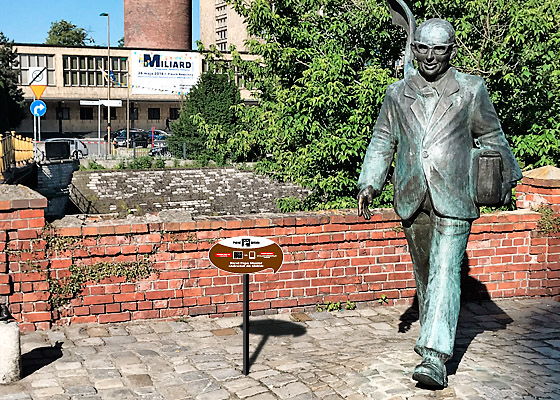
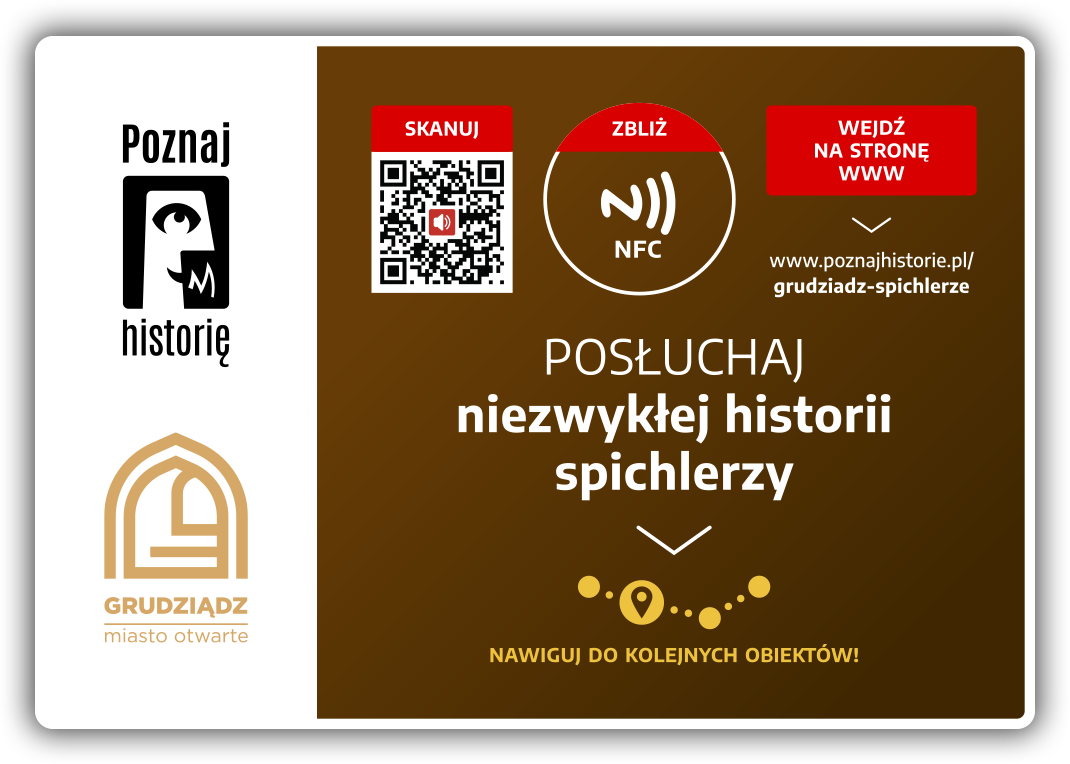
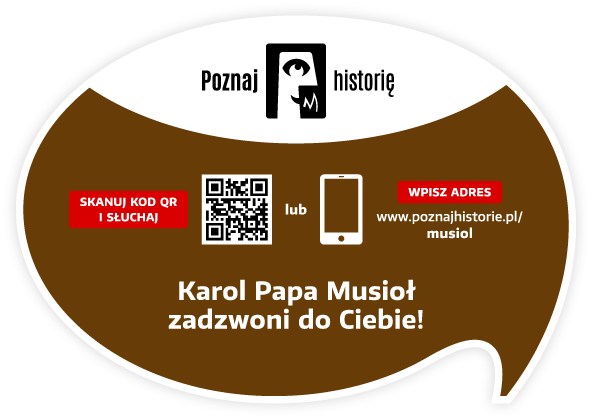
You need a smartphone with a camera. The camera lens should be pointed at the information plaque located next to the monument. Below is a view of the plaque itself and its example location next to the Karol Musioł monument in Opole.

STEP 2

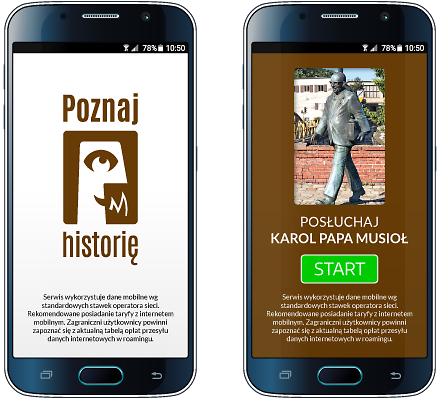
After pointing your smartphone's camera at the QR code located on the right side of the plaque, the app's welcome screen will appear, followed by a screen with the name, photo of the monument, and the "START" button.

STEP 3

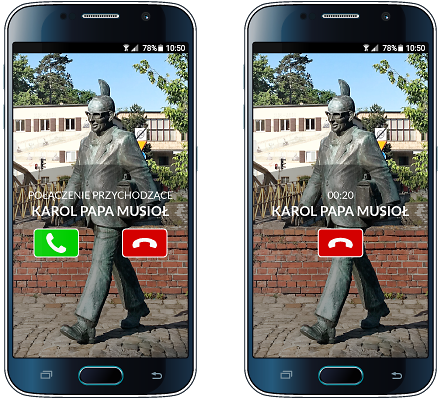
The "START" button starts the audio recording process.
Your smartphone will prompt you with the next steps after you listen to the story or pause it. Please keep an eye on your smartphone screen!

STEP 4

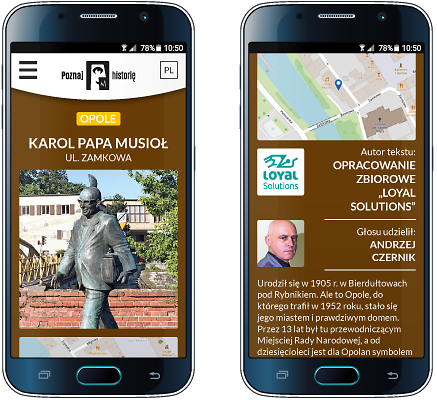
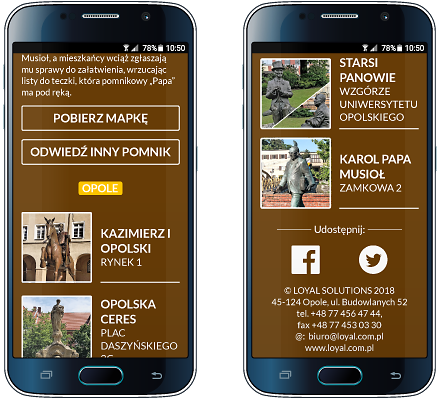
Other available options: brief information about the monument, author of the text and recording, list of other monuments in the city included in the "Discover History" project, downloadable map of monuments, video, and social media links


Would you like to implement the project in your city as well?

Contact

Project partners

Implementing the "Discover history" project in each city requires the involvement of many people: programmers, graphic designers, writers, actors, sound engineers, and coordinators. It is thanks to them that this project came to life.

Our ambition is to continually expand its reach. Therefore, we thank our current partners and invite additional cities, institutions, companies, and individuals to collaborate!


Would you like to become our Partner of the project or monument?

Contact

Contact

Are you interested in implementing the project in your city? Want to learn more? Want to learn more? Write to us, call us! We'll contact you and arrange a meeting. We'll prepare materials and a proposal for you.