Palace in Oleśnica Mała

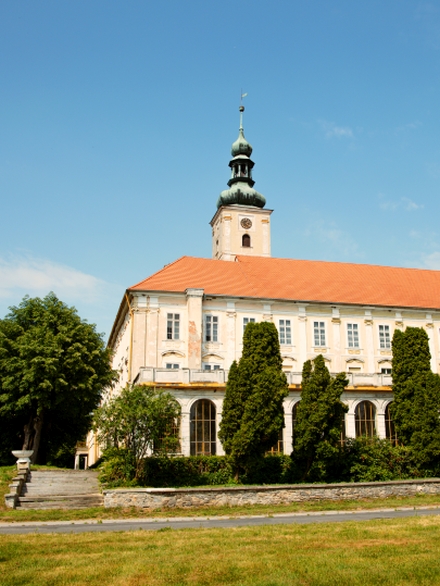
The first mention of the Oleśnica palace - then still a castle - dates back to the 12th century. The local forest was rich in game and Prince Bolesław I the Tall built a hunting castle with a chapel here. His son Henry the Bearded gave this place to the Templars who came from the area of ​​Brunswick.

In the 1320s, they created the first commandery in these lands. The Order expanded the castle and founded new settlements. The commandery was gaining in importance.
The resourceful Templars brought numerous relics to the local church, including those of Saint Jadwiga. Even the dissolution of the Templar Order did not prevent the development of the village. Heirloom after them, they were given to the Knights of St. John, who not only maintained the estate, but also significantly modernized it. Thanks to the hospitalists, Oleśnica Mała became one of the richest estates in Silesia.


The palace we see today is significantly different from the original one. We owe its appearance to the commander von Dietrichstein, who rebuilt the palace after the great fire of 1706.
It is distinguished by its majestic shape, coat of arms cartouches, and a rare weather vane in the shape of a peacock on the Sophia Tower. The stone slabs on the outside are also worth seeing a medieval judge's table, a tombstone of Field Marshal Siwek of Möckern's favorite horse and a monument to those who died during World War I. Inside, what stands out is the former library hall with an original beamed ceiling, the coat of arms of Hans Yorck von Wartenburg and a Rococo tiled stove. It is also worth taking a walk around the palace park. There is a picturesque hornbeam alley there, with ancient oaks and the octagonal mausoleum of the Yorck von Wartenburg family designed by the outstanding architect Carl Gotthard Langhans.

Palace in Oleśnica Mała

Visit Social media:

Share Social media:

How it working

Aby posłuchać historii pomników w ramach projektu „Poznaj historię” należy wykonać kilka prostych czynności. Poniżej przedstawiamy krótką „instrukcję obsługi” - krok po kroku, tak aby w miarę prosto przedstawić Państwu sposób dotarcia do minisłuchowisk.

KROK 1

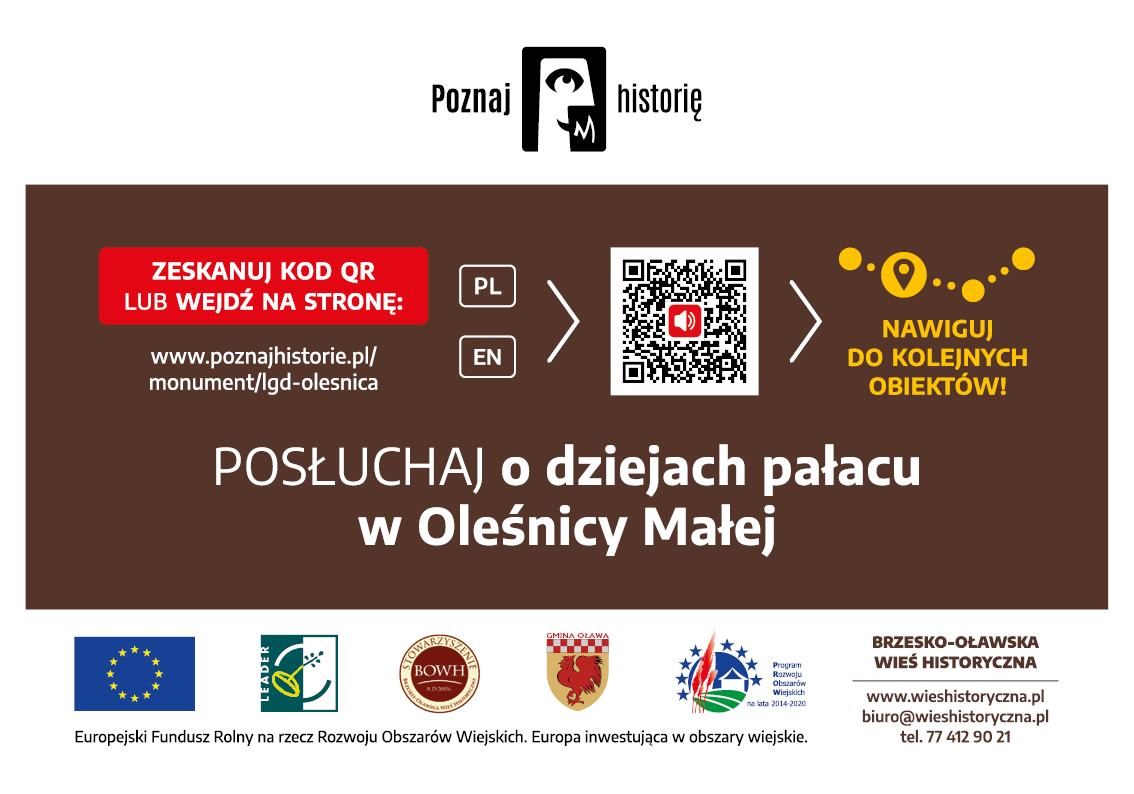
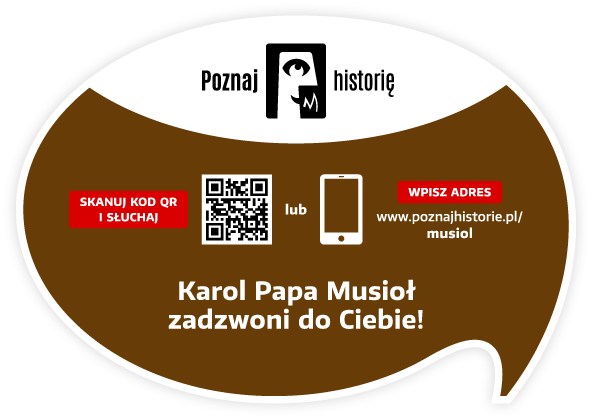
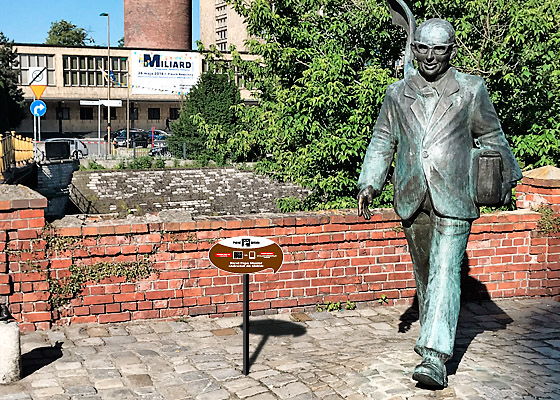
Trzeba mieć smartfon z aparatem fotograficznym. Obiektyw aparatu należy skierować w kierunku tabliczki informacyjnej znajdującej się tuż obok pomnika. Poniżej pokazujemy widok samej tabliczki oraz przykładowego jej umiejscowienia przy pomniku Karola Musioła w Opolu.

KROK 2

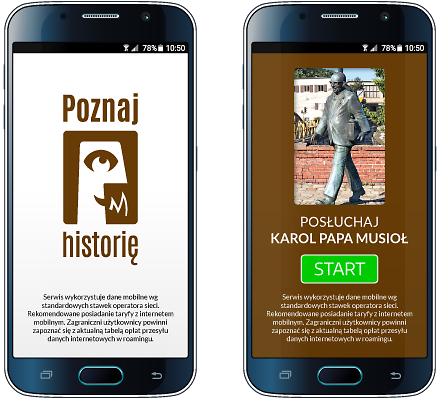
Po skierowaniu aparatu smartfona na kod QR znajdujący się w prawej części tabliczki na aparacie pojawi się ekran powitalny aplikacji, a następnie ekran z nazwą, zdjęciem pomnika i przyciskiem „START”.

KROK 3

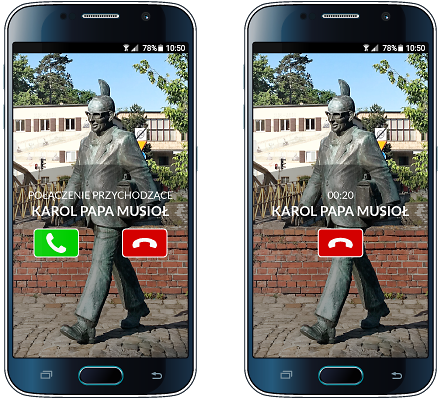
Przycisk „START” uruchamia proces odtwarzania minisłuchowiska.
Następne kroki podpowie nam smartfon po wysłuchaniu historii lub przerwaniu jej odtwarzania. Prosimy o obserwowanie ekranu smartfona!

KROK 4

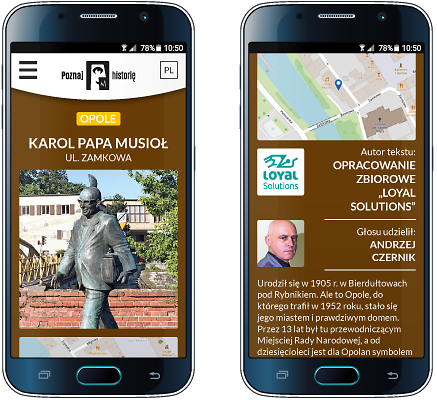
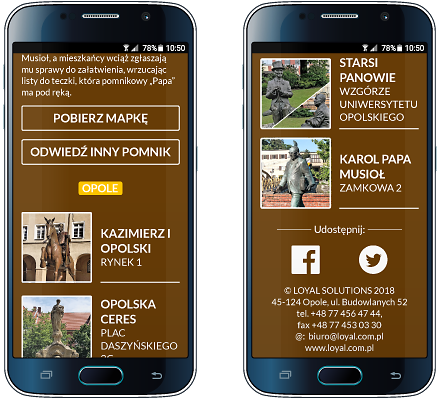
Inne dostępne opcje: krótka informacja o pomniku, autorze tekstu oraz nagrania, wykaz innych pomników w mieście objętych projektem "poznaj historię", mapka pomników do pobrania, film oraz linki do mediów społecznościowych.


Chciałbyś wdrożyć projekt również w swoim mieście?

Contact

Partnerzy projektu

Realizacja projektu „Poznaj historię” w każdym z miast wymaga zaangażowania wielu ludzi: programistów, grafików, autorów tekstów, aktorów, realizatorów dźwięku czy osób koordynujących całe przedsięwzięcie. To dzięki nim powstał te projekt.

Naszą ambicją jest, aby jego zasięg stale się rozszerzał. Dlatego dziękujemy obecnym partnerom i zapraszamy kolejne miasta, instytucje oraz firmy i osoby prywatne do współpracy!


Chcesz zostać naszym Partnerem projektu, pomnika?

Contact

Contact

Jesteś zainteresowany wdrożeniem projektu w swoim mieście? Chcesz więcej wiedzieć? Chcesz poznać szczegóły? Napisz do nas, zadzwoń! Skontaktujemy się z Tobą, umówimy na spotkanie. Przygotujemy dla Ciebie materiały i ofertę.