Uroku temu miejscu dodaje cudowne otoczenie: kameralny park zaprojektowany przez wybitnego planistę i pomologa Stefana Celichowskiego. W środku dawne pomieszczenia mieszkalne zmieniono w sale ekspozycyjne oraz pomieszczenia administracyjne muzeum. Najbardziej imponującym jest zachowana w oryginale, zdobiona wytworną boazerią Sala Lustrzana. Dziś odbywają się w niej spotkania, konferencje i koncerty. Między innymi te w ramach słynnych już Muzycznych Piątków Muzeum. Warta uwagi są tu także dwa ceramiczne kominki: w holu i Sali Kominkowej oraz Sala Dębowa - z drewnianym belkowym stropem i dekoracyjnymi detalami.
Samo muzeum jest instytucją dość młodą. Powstało w 2009 roku, w miejsce istniejącej od 2003 roku Czeladzkiej Izby Tradycji. Jego najważniejszym zadaniem jest ochrona dziedzictwa kulturowego i zachowanie pamięci o tradycjach górniczych Czeladzi. Placówka wywiązuje się z niego doskonale.
W strukturach muzeum, w dawnej kopalnianej elektrowni, która podkreśla górniczą przeszłość tego miejsca, funkcjonuje Galeria Sztuki Współczesnej „Elektrownia”. Jej atrakcją jest między innymi świetnie zachowany park maszynowy, gdzie wielką atrakcją jest efektowne koło zamachowe „Wanda”. Od 2012 roku odbywają się tu koncerty i wystawy. W Muzeum Saturn są również zbiory dotyczące blisko 800-letniej historii Czeladzi.
Muzeum Saturn
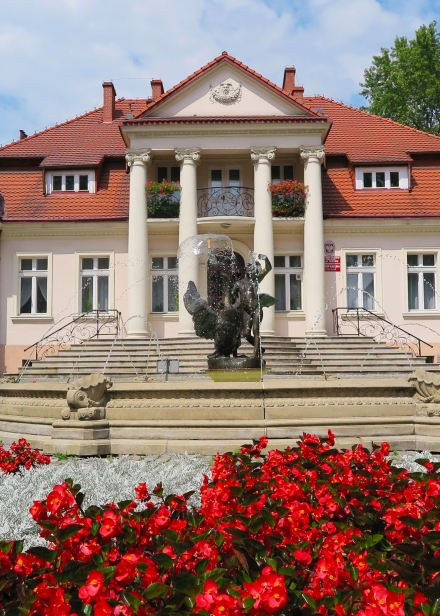
W tym wyjątkowym budynku znajduje się Muzeum Saturn. To przedwojenna, neoklasycystyczna willa, zaprojektowana w stylu dworku polskiego z dwuspadowym dachem. Zbudowało ją Towarzystwo Górniczo-Przemysłowe „Saturn” – stąd nazwa. Było to mieszkanie służbowe dyrektora działającej w Czeladzi przez ponad sto lat kopalni „Saturn”.
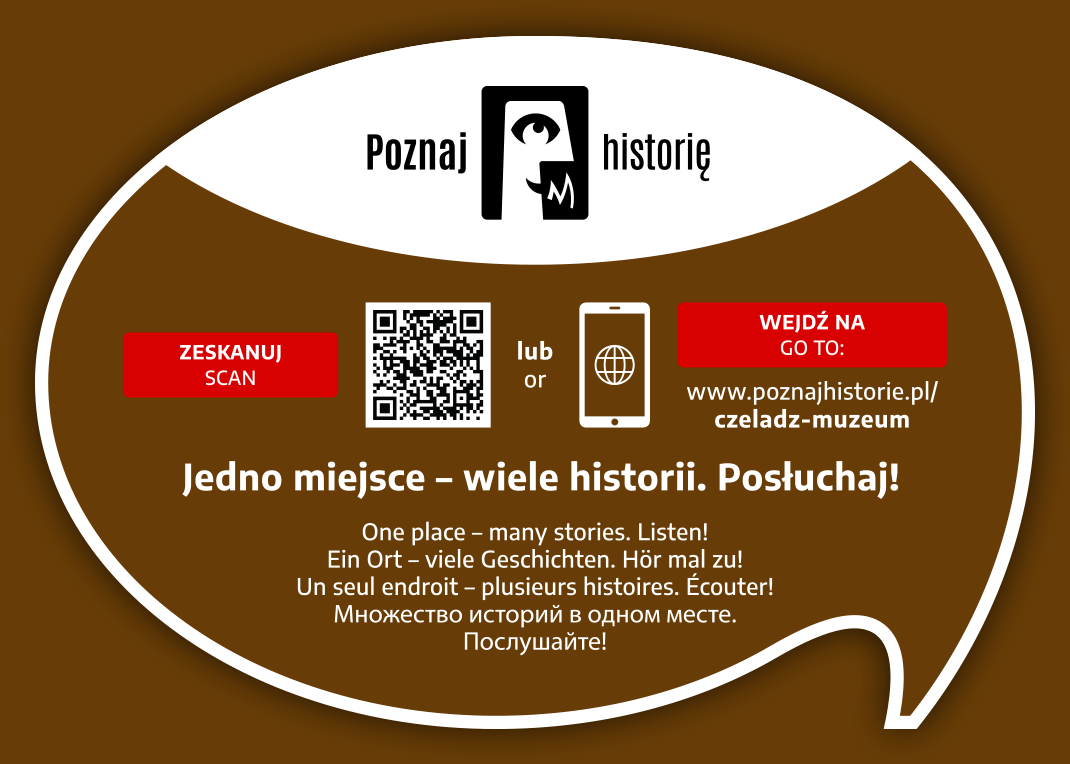
How it working
To listen to the history of monuments as part of the "Discover History" project, you need to follow a few simple steps. Below, we present a short, step-by-step "user manual" to provide a relatively simple way to access the mini-auditions.
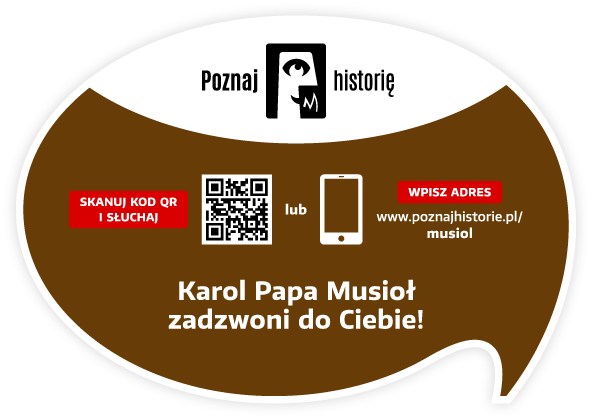
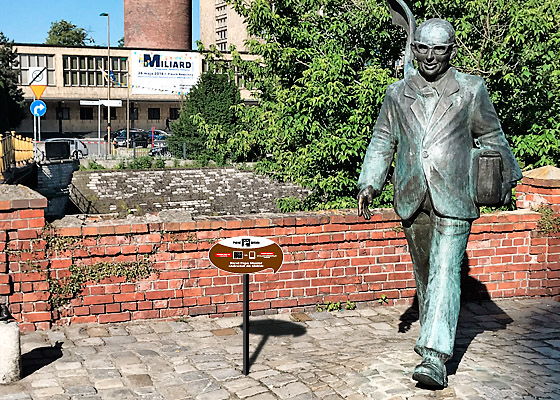
You need a smartphone with a camera. The camera lens should be pointed at the information plaque located next to the monument. Below is a view of the plaque itself and its example location next to the Karol Musioł monument in Opole.
After pointing your smartphone's camera at the QR code located on the right side of the plaque, the app's welcome screen will appear, followed by a screen with the name, photo of the monument, and the "START" button.
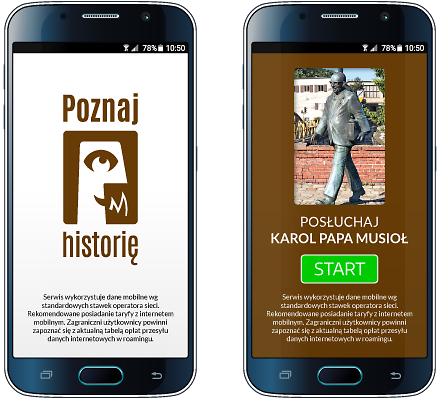
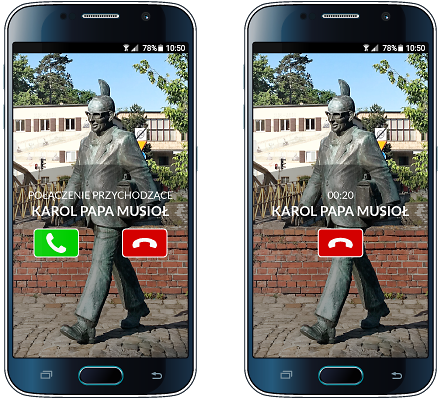
The "START" button starts the audio recording process.
Your smartphone will prompt you with the next steps after you listen to the story or pause it. Please keep an eye on your smartphone screen!
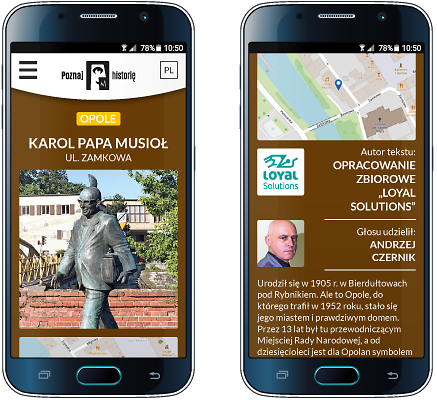
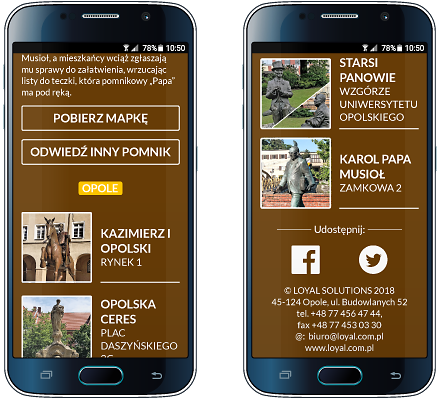
Other available options: brief information about the monument, author of the text and recording, list of other monuments in the city included in the "Discover History" project, downloadable map of monuments, video, and social media links
Would you like to implement the project in your city as well?
ContactView gallery
Monuments in cities remind us of the history of places and people, and allude to important events. They are also works of art. Bronze, metal, wood, or concrete transformed into the form of a monumental obelisk attract attention. We enjoy sitting by them, taking photos, and making appointments.
Project partners
Implementing the "Discover history" project in each city requires the involvement of many people: programmers, graphic designers, writers, actors, sound engineers, and coordinators. It is thanks to them that this project came to life.
Our ambition is to continually expand its reach. Therefore, we thank our current partners and invite additional cities, institutions, companies, and individuals to collaborate!

Would you like to become our Partner of the project or monument?
ContactContact
Are you interested in implementing the project in your city? Want to learn more? Want to learn more? Write to us, call us! We'll contact you and arrange a meeting. We'll prepare materials and a proposal for you.

QR Communication Sp. z o.o.
tel. +48 735 147 911
tel. +48 606 881 118
paulina.panusch@poznajhistorie.pl
kontakt@poznajhistorie.pl
Visit Social media:
Share Social media: