Muzeum Oflag IIC Woldenberg

Znajdujący się kilometr od Dobiegniewa obóz był swoistym fenomenem o którym dziś nieco zapomniano. A szkoda, bo był przykładem niezwykłej siły ducha narodu.

Na 25 hektarach zamieszkało bowiem blisko 7000 ludzi. Byli to reprezentanci wszystkich grup społecznych. Mieli różne zawody, przekonania, poglądy społeczne, polityczne i ekonomiczne. Nie zamierzali biernie czekać na wyzwolenie. Chcieli działać.

Woldenberg szybko stał się miejscem bogatego życia kulturalnego i naukowego. Działały w nim trzy teatry, funkcjonowało kilka orkiestr, kluby sportowe, liczne koła naukowe, kluby dyskusyjne, koła zainteresowań. W oflagu tworzyli także literaci – m.in. Marian Brandys, Stefan Flukowski i Edward Fiszer.

Oprócz tych wszystkich legalnych działań, kwitła także konspiracja. Jeńcy przechodzili potajemne szkolenie wojskowe, kontaktowano się Komendą Główną Armii Krajowej, wydawano też tajny dziennik. Niezwykle istotną rolę w obozie miał nasłuch radiowy ukryty w schronie pod kantyną obozową.

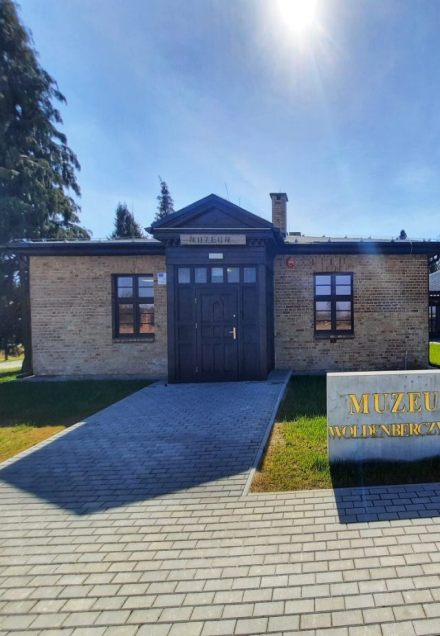
Sceny dramatyczne mieszały się w Woldenbergu z pięknymi. Aby pamięć o tym niezwykłym obozie przetrwała, powstało właśnie to muzeum. Zobaczycie tu znaczki poczty obozowej, rzeźby, rękopisy i maszynopisy, zdjęcia, dyplomy, rozkazy polskiej i niemieckiej komendantury obozowej, identyfikatory, maski teatralne, przedmioty codziennego użytku i wiele innych oryginalnych eksponatów z tamtego okresu.
Muzeum Oflag IIC Woldenberg
Muzeum w Dobiegniewie

Visit Social media:

Share Social media:

How it working

To listen to the history of monuments as part of the "Discover History" project, you need to follow a few simple steps. Below, we present a short, step-by-step "user manual" to provide a relatively simple way to access the mini-auditions.

STEP 1

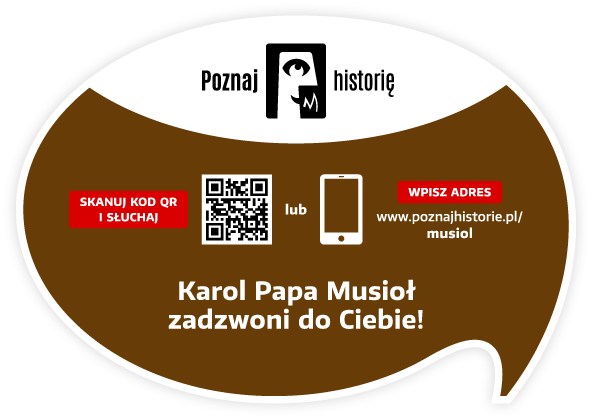
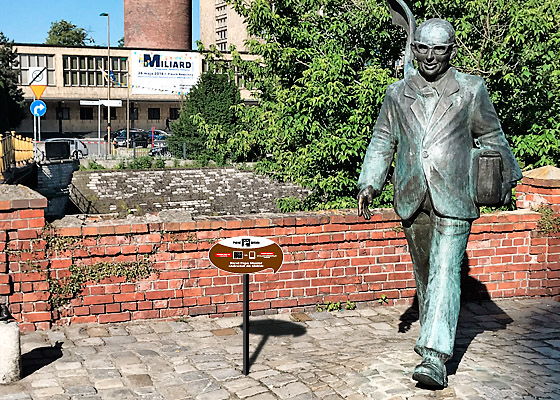
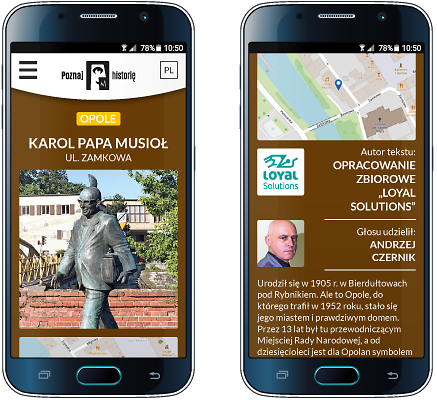
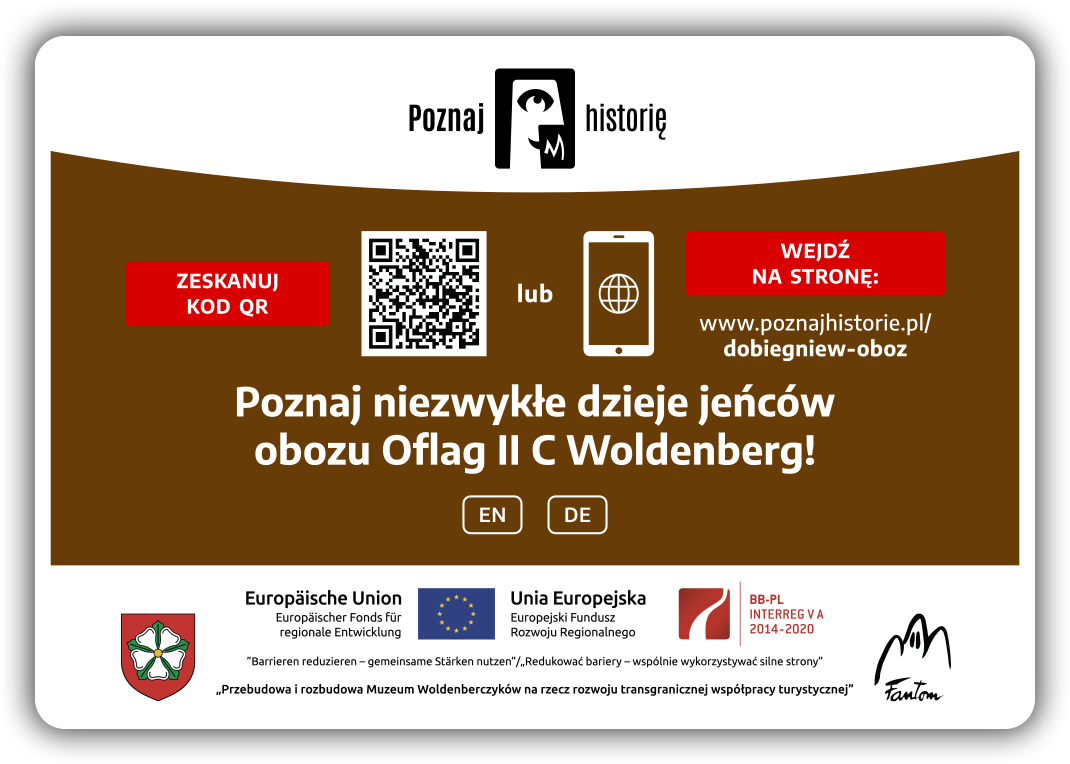
You need a smartphone with a camera. The camera lens should be pointed at the information plaque located next to the monument. Below is a view of the plaque itself and its example location next to the Karol Musioł monument in Opole.

STEP 2

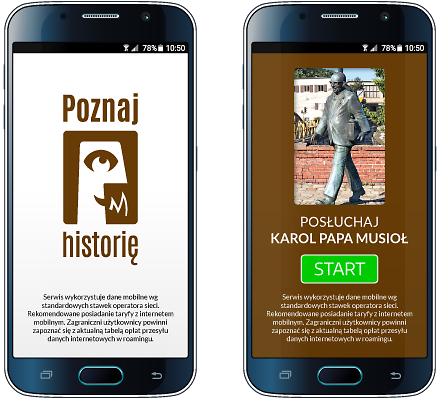
After pointing your smartphone's camera at the QR code located on the right side of the plaque, the app's welcome screen will appear, followed by a screen with the name, photo of the monument, and the "START" button.

STEP 3

The "START" button starts the audio recording process.
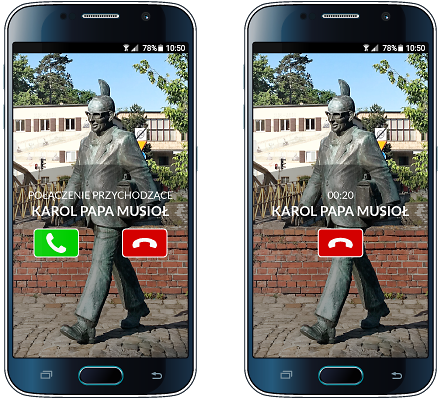
Your smartphone will prompt you with the next steps after you listen to the story or pause it. Please keep an eye on your smartphone screen!

STEP 4

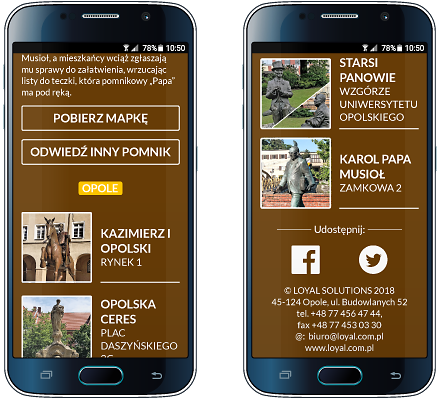
Other available options: brief information about the monument, author of the text and recording, list of other monuments in the city included in the "Discover History" project, downloadable map of monuments, video, and social media links


Would you like to implement the project in your city as well?

Contact

Project partners

Implementing the "Discover history" project in each city requires the involvement of many people: programmers, graphic designers, writers, actors, sound engineers, and coordinators. It is thanks to them that this project came to life.

Our ambition is to continually expand its reach. Therefore, we thank our current partners and invite additional cities, institutions, companies, and individuals to collaborate!


Would you like to become our Partner of the project or monument?

Contact

Contact

Are you interested in implementing the project in your city? Want to learn more? Want to learn more? Write to us, call us! We'll contact you and arrange a meeting. We'll prepare materials and a proposal for you.