Podziemia Oświęcimskiego Rynku

Rynek to serce Oświęcimia. I to co najmniej 800-letnie. W tamtym bowiem czasie miasto zyskało prawa miejskie, choć początki samej osady są jeszcze starsze i sięgają czasów Bolesława Chrobrego.

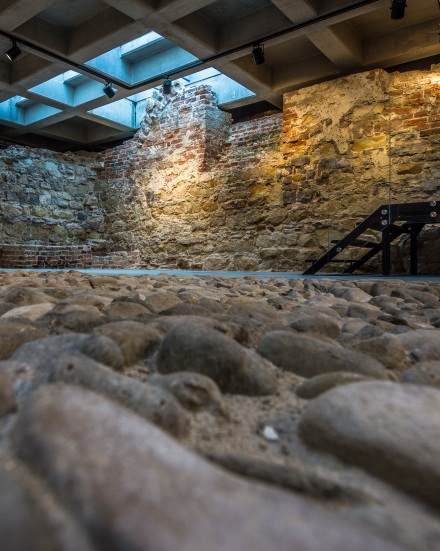
Płyta Rynku pamięta natomiast rządy Kazimierza Jagiellończyka, dzięki któremu Oświęcim wrócił do Polski. Słynne dziś podziemia wraz z reliktami dawnego ratusza odkopano przypadkiem podczas remontu w 2012 roku. Zachowane relikty dawnego ratusza pochodzą z XVI wieku, czyli z czasów panowania Jagiellonów. A Zygmunt August – ostatni Jagiellon – wcielił ziemie Księstwa Oświęcimskiego do Korony Państwa Polskiego.

Ratusz, którego pozostałości odkryto, spłonął w ogromnym pożarze Oświęcimia w 1863 roku. Jeśli do tej pory w jakiś sposób używano podziemi, to po tej tragedii na pewno o nich zapomniano. Wiemy, że wpisują się one w rzut prostokąta o wymiarach 15,8 m na 13,5 m. W zachowanych reliktach można wyróżnić dwa nierównej szerokości pomieszczenia wydzielone grubą na 1 m ścianą z przejściem pośrodku.

Same mury nie są wysokie i sięgają najwyżej metra sześćdziesięciu. W pomieszczeniach zachowały się ślady ceglanych sklepień kolebkowych, kamienne bruki z wyprofilowaniem ceglanym oraz częściowo zachowane tynki wewnętrzne. Odkryte relikty podziemi dla bezpieczeństwa nakryto żelbetowym stropem kasetonowym opartym na żelbetowych palach.

Miasto dokłada starań, by podziemia stały się kolejną atrakcją miasta. Tak stało się już z tunelami pod zamkiem, gdzie ich część udostępniono zwiedzającym.
Podziemia Oświęcimskiego Rynku

Visit Social media:

Share Social media:

How it working

To listen to the history of monuments as part of the "Discover History" project, you need to follow a few simple steps. Below, we present a short, step-by-step "user manual" to provide a relatively simple way to access the mini-auditions.

STEP 1

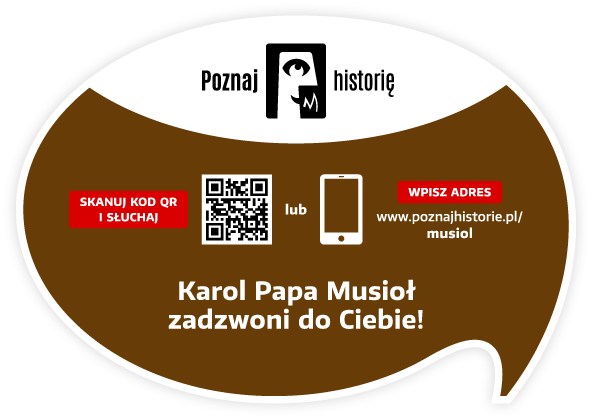
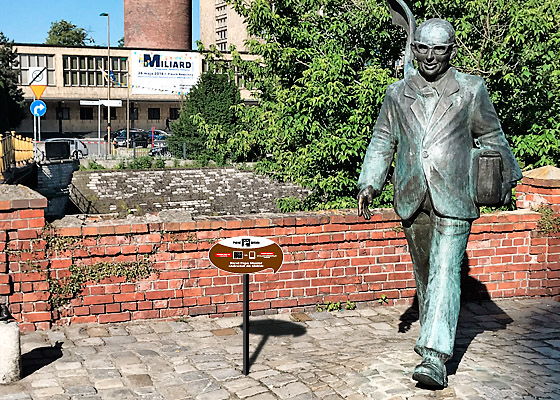
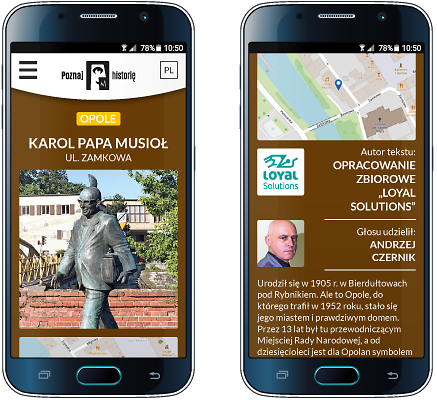
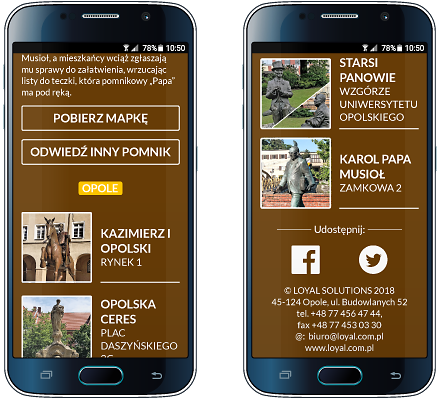
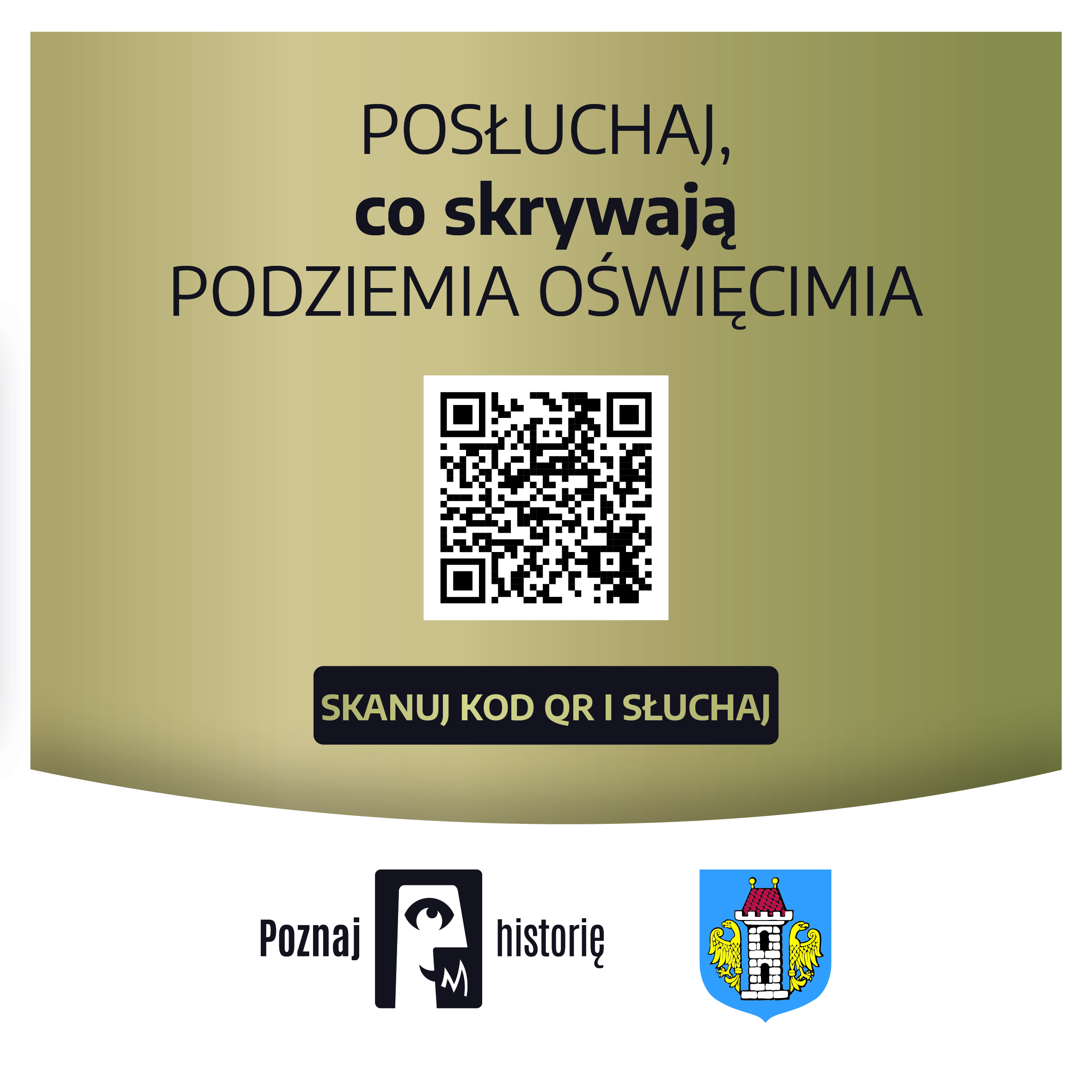
You need a smartphone with a camera. The camera lens should be pointed at the information plaque located next to the monument. Below is a view of the plaque itself and its example location next to the Karol Musioł monument in Opole.

STEP 2

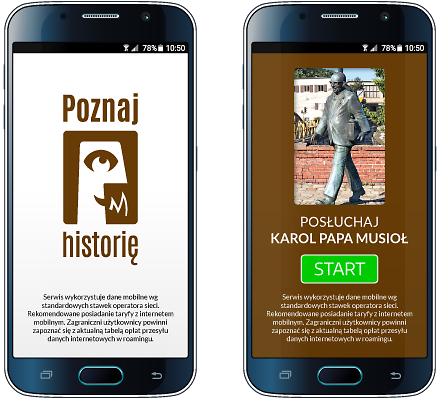
After pointing your smartphone's camera at the QR code located on the right side of the plaque, the app's welcome screen will appear, followed by a screen with the name, photo of the monument, and the "START" button.

STEP 3

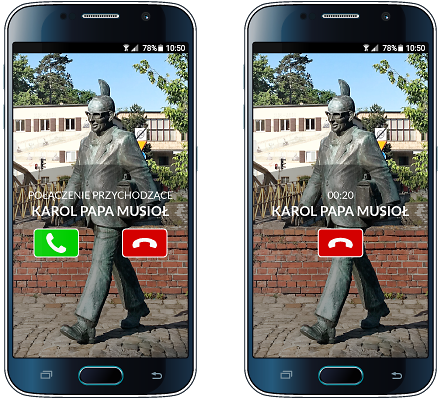
The "START" button starts the audio recording process.
Your smartphone will prompt you with the next steps after you listen to the story or pause it. Please keep an eye on your smartphone screen!

STEP 4

Other available options: brief information about the monument, author of the text and recording, list of other monuments in the city included in the "Discover History" project, downloadable map of monuments, video, and social media links


Would you like to implement the project in your city as well?

Contact

Project partners

Implementing the "Discover history" project in each city requires the involvement of many people: programmers, graphic designers, writers, actors, sound engineers, and coordinators. It is thanks to them that this project came to life.

Our ambition is to continually expand its reach. Therefore, we thank our current partners and invite additional cities, institutions, companies, and individuals to collaborate!


Would you like to become our Partner of the project or monument?

Contact

Contact

Are you interested in implementing the project in your city? Want to learn more? Want to learn more? Write to us, call us! We'll contact you and arrange a meeting. We'll prepare materials and a proposal for you.