Historia łowiectwa Ziemi Śremskiej

W 1946 roku na polskich ziemiach zaczęły powstawać pierwsze koła łowieckie, z misją odbudowy populacji zwierzyny, niemal całkowicie wyniszczonej po wojnie.

Myśliwi budowali podsypy i paśniki, aby w zimie zapewnić zwierzętom pożywienie, co pozwoliło na stopniowy wzrost liczebności zajęcy, kuropatw i dzikich królików.

W Śremie powstały dwa takie koła: Ryś i Łoś. Myśliwi z tych kół wspólnie opracowywali plany hodowlane i walczyli z kłusownictwem oraz drapieżnikami. W 1952 roku, w wyniku zmian prawnych, obydwa koła połączyły swoje tereny, tworząc jedno koło łowieckie nr 125. Pierwszy zarząd nowo powstałego koła tworzyli: Gregorius Stefan, Jurczyński Stefan i Furmanek Antoni. Później koło koło łowieckie przemianowane zostało na nr 74, a w 1976 roku przyjęło nazwę Ostoja.

Z inicjatywy mieszkańców Luciny oraz Koła Łowieckiego Ostoja, kaplica w Lucinach otrzymała wezwanie świętego Huberta, patrona myśliwych. Dekret w tej sprawie wydał ks. Arcybiskup
Metropolita Poznański Stanisław Gądecki w marcu 2022 roku.

Koło Ostoja aktywnie współpracuje ze szkołami, organizując prelekcje i wyjazdy edukacyjne, aby przybliżyć dzieciom wiedzę o przyrodzie. W 2024 roku koło liczyło 41 członków, kontynuujących tradycję dbania o zwierzynę i środowisko.
Historia łowiectwa Ziemi Śremskiej
Zwierzyna gruba śremskich lasów

Visit Social media:

Share Social media:

How it working

To listen to the history of monuments as part of the "Discover History" project, you need to follow a few simple steps. Below, we present a short, step-by-step "user manual" to provide a relatively simple way to access the mini-auditions.

STEP 1

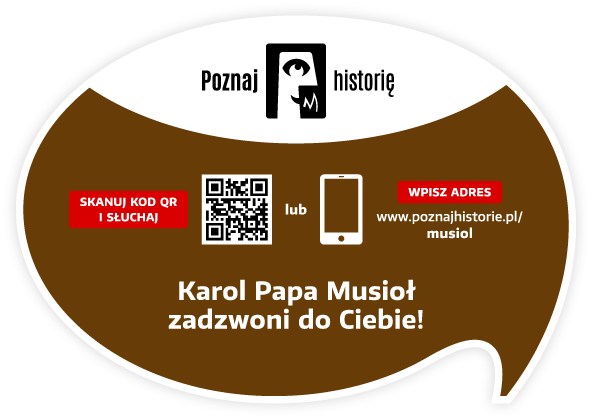
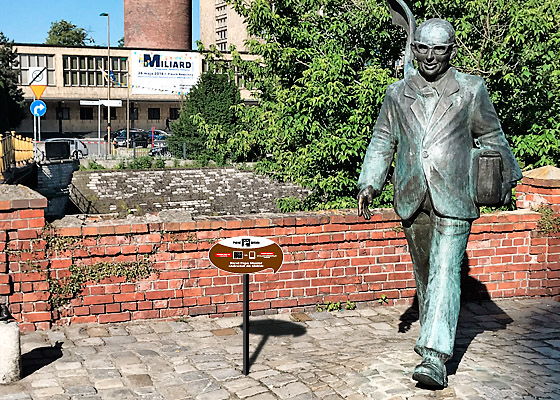
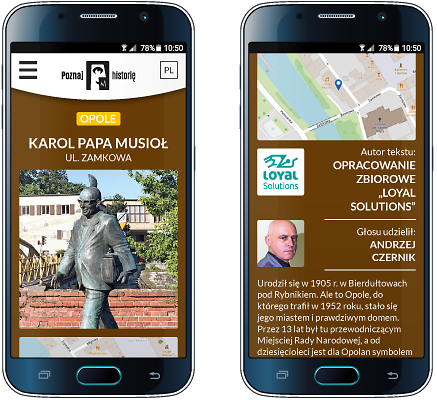
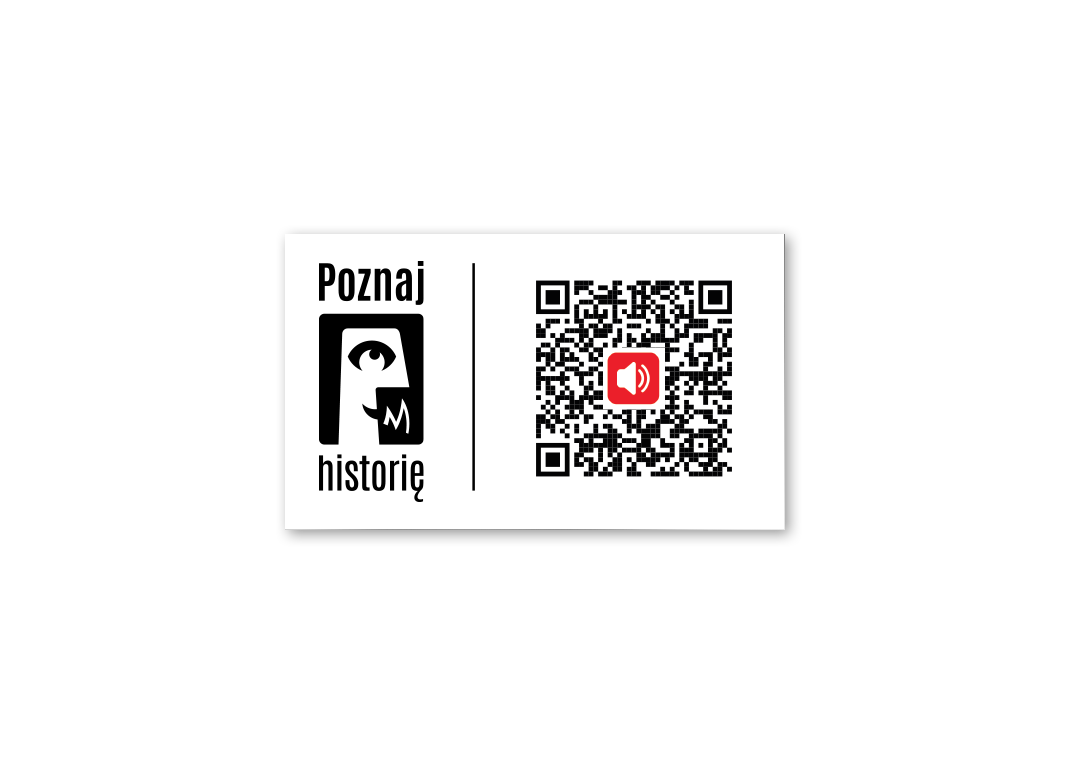
You need a smartphone with a camera. The camera lens should be pointed at the information plaque located next to the monument. Below is a view of the plaque itself and its example location next to the Karol Musioł monument in Opole.

STEP 2

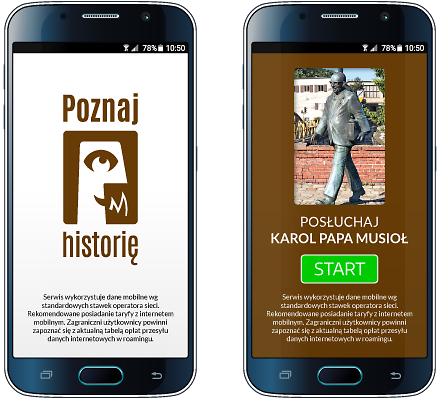
After pointing your smartphone's camera at the QR code located on the right side of the plaque, the app's welcome screen will appear, followed by a screen with the name, photo of the monument, and the "START" button.

STEP 3

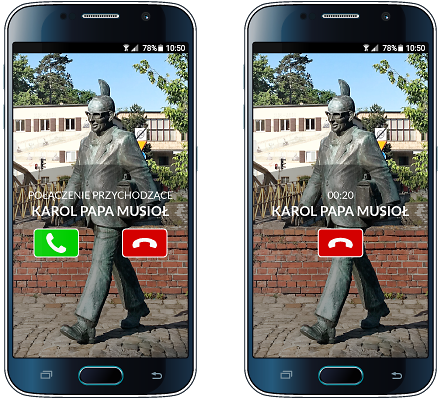
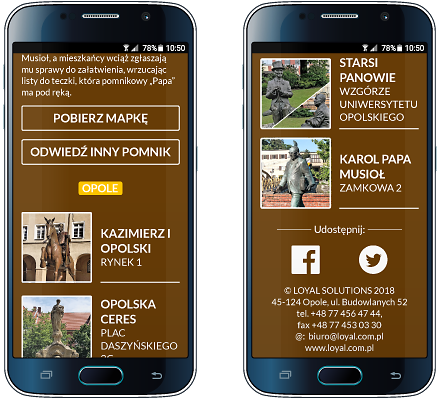
The "START" button starts the audio recording process.
Your smartphone will prompt you with the next steps after you listen to the story or pause it. Please keep an eye on your smartphone screen!

STEP 4

Other available options: brief information about the monument, author of the text and recording, list of other monuments in the city included in the "Discover History" project, downloadable map of monuments, video, and social media links


Would you like to implement the project in your city as well?

Contact

Project partners

Implementing the "Discover history" project in each city requires the involvement of many people: programmers, graphic designers, writers, actors, sound engineers, and coordinators. It is thanks to them that this project came to life.

Our ambition is to continually expand its reach. Therefore, we thank our current partners and invite additional cities, institutions, companies, and individuals to collaborate!


Would you like to become our Partner of the project or monument?

Contact

Contact

Are you interested in implementing the project in your city? Want to learn more? Want to learn more? Write to us, call us! We'll contact you and arrange a meeting. We'll prepare materials and a proposal for you.