Lew w Parku

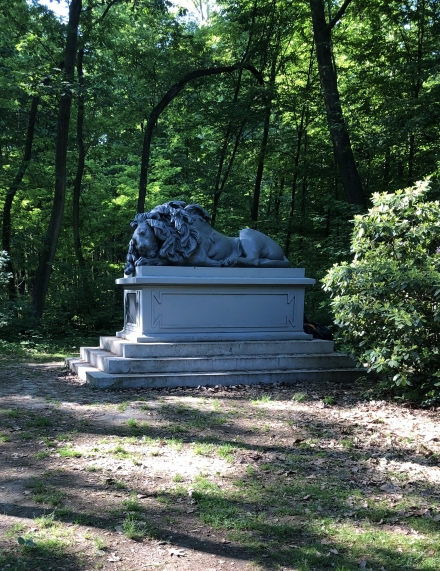
Powstał w 1863 roku na zlecenie księcia wirtemberskiego Eugeniusza Erdmanna, dawnego właściciela Pokoju, który to Pokój wtedy zwał się Carlsruhe. A upamiętnia jego ojca – Eugeniusza Wirtemberskiego, kuzyna pierwszego króla Wirtembergii Fryderyka I (Pierwszego).

Książę Eugeniusz Wirtemberski był znanym generałem jazdy konnej. Służył w armii rosyjskiej, a w czasie kampanii antynapoleońskiej dowodził wojskami sprzymierzonymi. Sławę przyniosło mu wielkie zwycięstwo nad oddziałami francuskimi w bitwie pod Kulm, czyli Chlumec, w obecnych Czechach. Bitwa ta rozegrała się 30 sierpnia 1813 roku. Książę wsławił się w niej jako znakomity strateg i dowódca. Ale przede wszystkim był on wielkim dobrodziejem tego miejsca.

Dzięki niemu Pokój – czy raczej Carlsruhe – stało się pięknym zakątkiem świata, w którym kwitła kultura. To on przebudował miasteczko i nadał mu status uzdrowiska, do którego ściągali ludzie. Odbudował tu teatr i sprowadził Carla Marię Webera – słynnego kompozytora, którym później zachwycał się sam Fryderyk Chopin. To dzięki niemu Weber tu mieszkał, występował i tworzył, co dzisiaj wspominane jest rokrocznie podczas odbywających się tu festiwali. Zresztą – książę Eugeniusz był nie tylko wielkim mecenasem sztuki i melomanem, ale też twórcą. Sam skomponował między innymi operę „Die Geisterbraut”.

Lew to symbol męstwa i odwagi. Śpiący symbolizuje też pokój, jaki zapanował po trudnych czasach wojen napoleońskich w Europie. Książę też był odważny, pełen męstwa, ale jednocześnie spokoju, rozwagi i mądrości. Autorem tej rzeźby jest Teodor Kalide. Jego podobne "śpiące lwy" zachowały się jeszcze w Bytomiu, Legnicy i Berlinie.
Lew w Parku
Lew w Parku

Visit Social media:

Share Social media:

How it working

To listen to the history of monuments as part of the "Discover History" project, you need to follow a few simple steps. Below, we present a short, step-by-step "user manual" to provide a relatively simple way to access the mini-auditions.

STEP 1

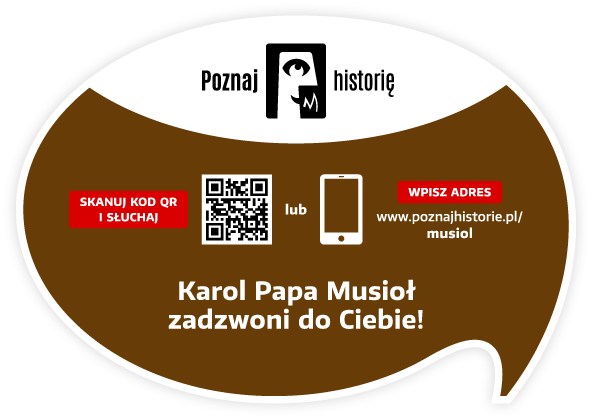
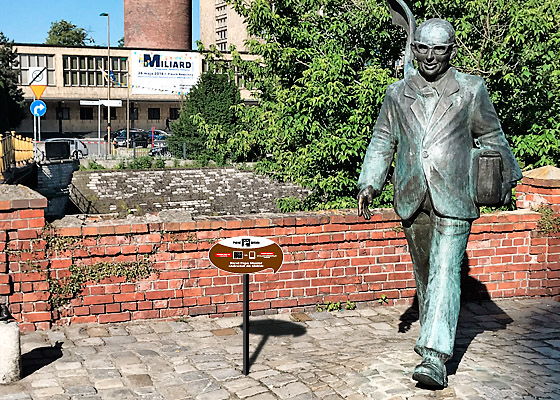
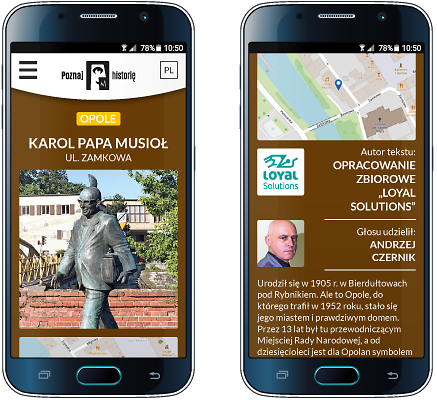
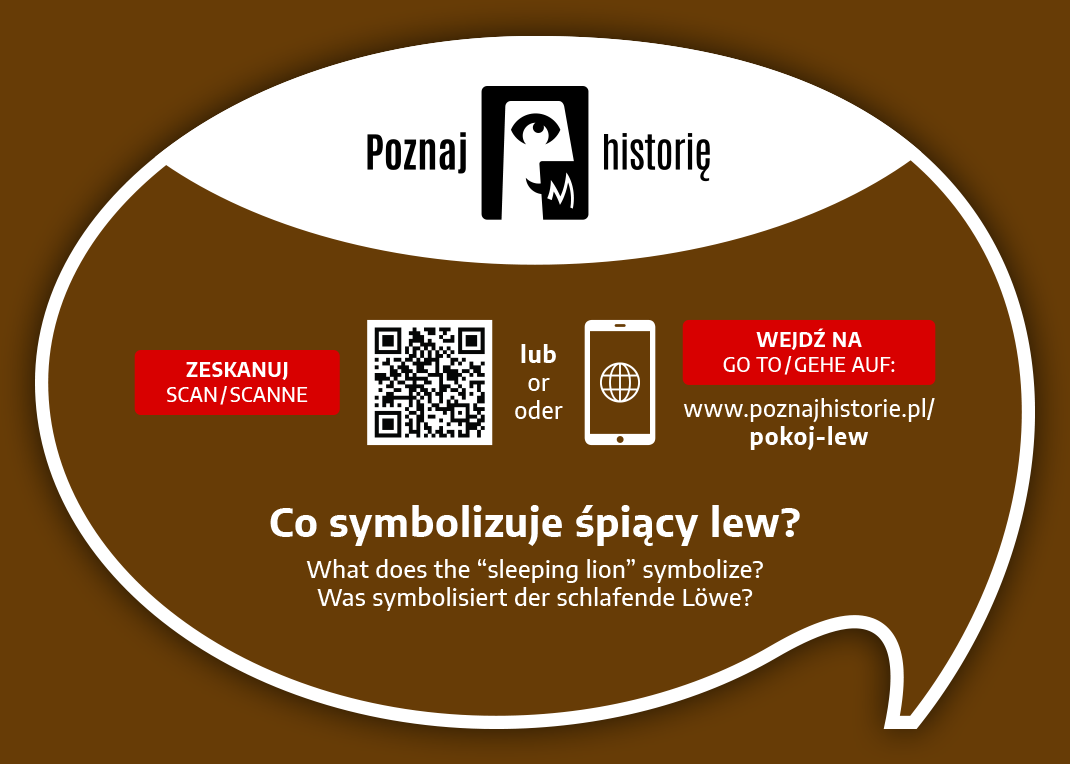
You need a smartphone with a camera. The camera lens should be pointed at the information plaque located next to the monument. Below is a view of the plaque itself and its example location next to the Karol Musioł monument in Opole.

STEP 2

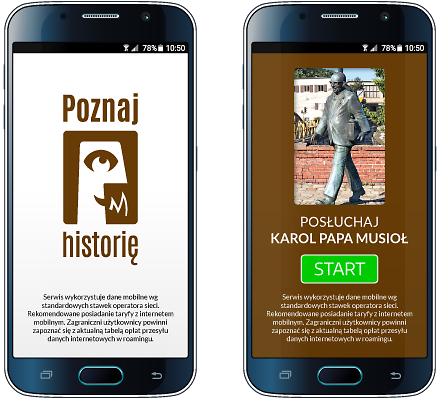
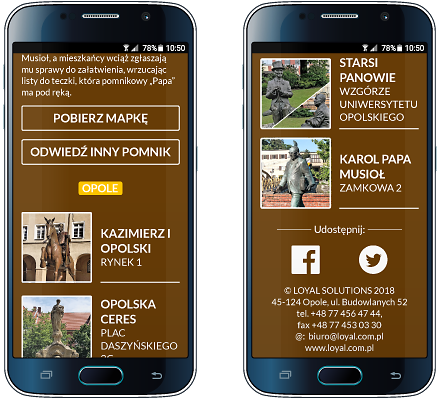
After pointing your smartphone's camera at the QR code located on the right side of the plaque, the app's welcome screen will appear, followed by a screen with the name, photo of the monument, and the "START" button.

STEP 3

The "START" button starts the audio recording process.
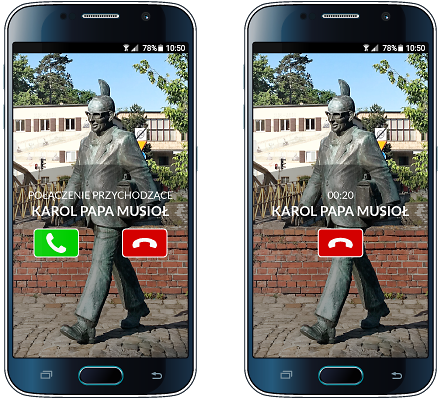
Your smartphone will prompt you with the next steps after you listen to the story or pause it. Please keep an eye on your smartphone screen!

STEP 4

Other available options: brief information about the monument, author of the text and recording, list of other monuments in the city included in the "Discover History" project, downloadable map of monuments, video, and social media links


Would you like to implement the project in your city as well?

Contact

Project partners

Implementing the "Discover history" project in each city requires the involvement of many people: programmers, graphic designers, writers, actors, sound engineers, and coordinators. It is thanks to them that this project came to life.

Our ambition is to continually expand its reach. Therefore, we thank our current partners and invite additional cities, institutions, companies, and individuals to collaborate!


Would you like to become our Partner of the project or monument?

Contact

Contact

Are you interested in implementing the project in your city? Want to learn more? Want to learn more? Write to us, call us! We'll contact you and arrange a meeting. We'll prepare materials and a proposal for you.