Pojazdy kolejowe

Zobaczmy teraz trzy ważne pojazdy kolejowe.

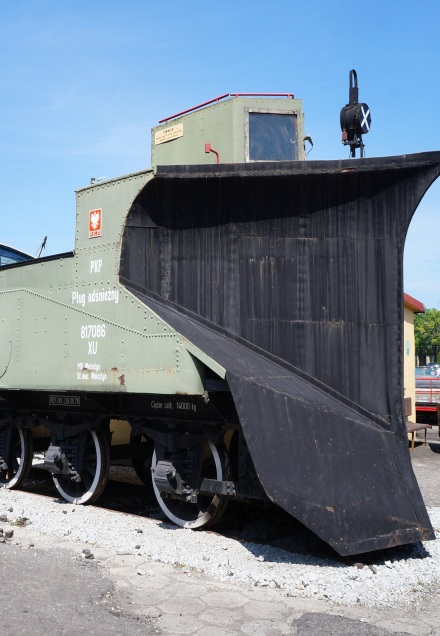
Pług odśnieżny – Pługów odśnieżnych używano do usuwania zasp śnieżnych do wysokości jednego metra. Przebudowywano je z tendrów parowozowych lub wagonów. Widoczny tu pług jest najstarszym pojazdem w parowozowni - stworzono go z pochodzącego z 1883 r. tendra od parowozu pruskiej serii P2.

Wagon narzędziowy – w niebieskim, zabytkowym wagonie produkcji francusko-belgijskiej z 1911 r., zgromadzono kolekcję sprzętu używanego dawniej w ratownictwie kolejowym. Są to m.in. podnośniki, liny czy wózki transportowe. Początkowo wagon przeznaczony był do przewozu bydła – przestrzeń pomiędzy końcem zastrzału, a obwodziną była pozbawiona oszalowania i służyła wentylacji.

Wagon osobowy – takie wagony osobowe produkcji niemieckiej były od lat międzywojennych do końca lat 60. XX w. podstawowym środkiem transportu w kolejowym ruchu PKP. Ich głównym celem było przewiezienie jednorazowo jak największej liczby pasażerów. Dlatego konstruktorzy zrezygnowali z wewnętrznych korytarzy na korzyść dodatkowych miejsc dla podróżnych.
Pojazdy kolejowe
Wagony parowozowni

Visit Social media:

Share Social media:

How it working

To listen to the history of monuments as part of the "Discover History" project, you need to follow a few simple steps. Below, we present a short, step-by-step "user manual" to provide a relatively simple way to access the mini-auditions.

STEP 1

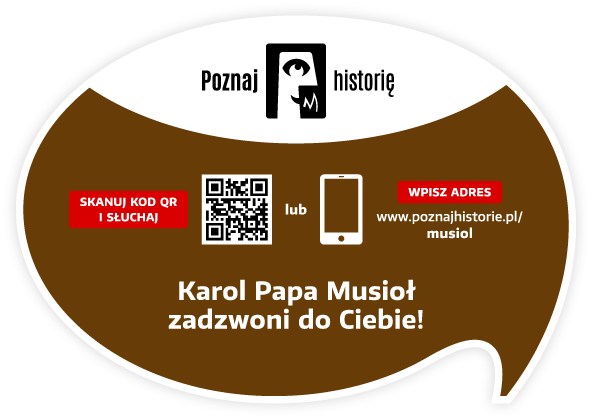
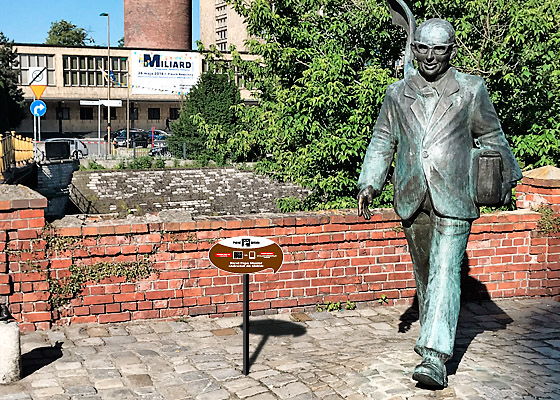
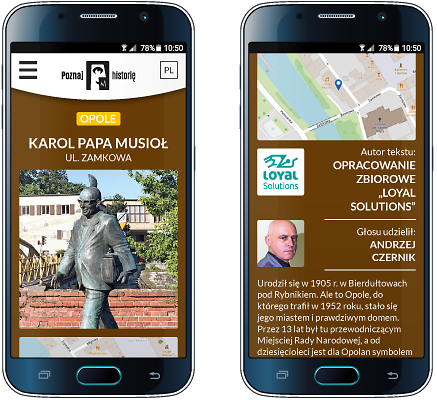
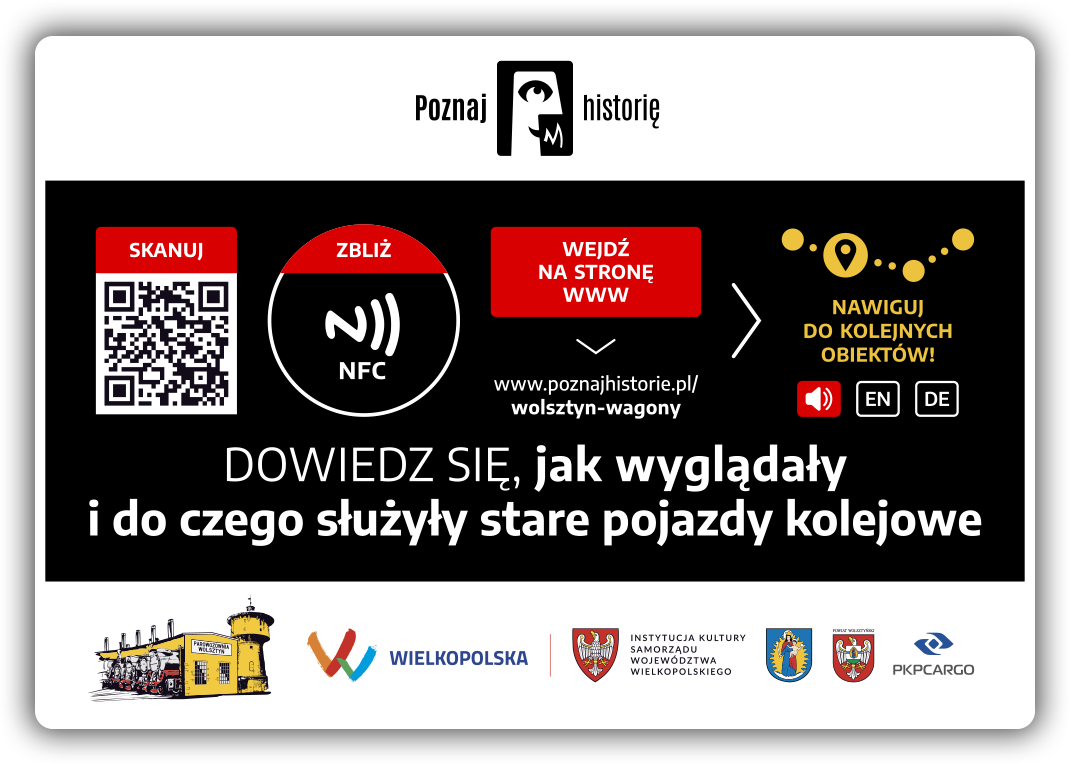
You need a smartphone with a camera. The camera lens should be pointed at the information plaque located next to the monument. Below is a view of the plaque itself and its example location next to the Karol Musioł monument in Opole.

STEP 2

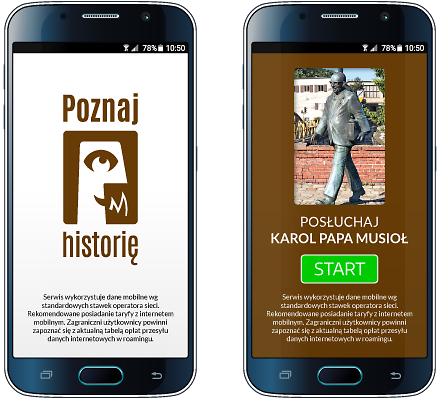
After pointing your smartphone's camera at the QR code located on the right side of the plaque, the app's welcome screen will appear, followed by a screen with the name, photo of the monument, and the "START" button.

STEP 3

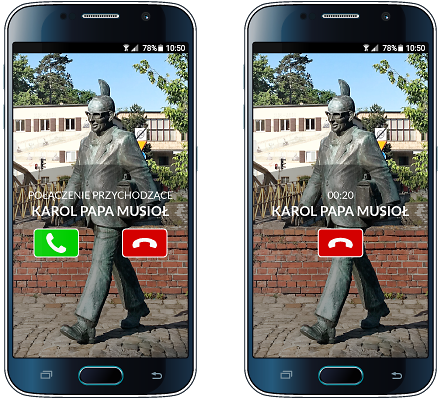
The "START" button starts the audio recording process.
Your smartphone will prompt you with the next steps after you listen to the story or pause it. Please keep an eye on your smartphone screen!

STEP 4

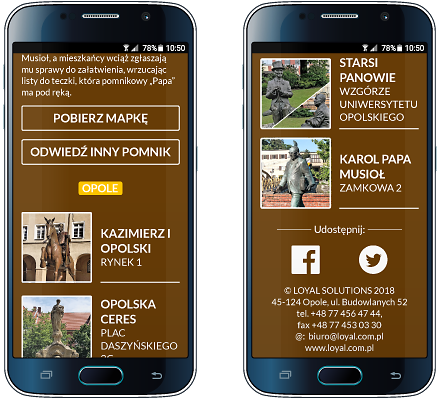
Other available options: brief information about the monument, author of the text and recording, list of other monuments in the city included in the "Discover History" project, downloadable map of monuments, video, and social media links


Would you like to implement the project in your city as well?

Contact

Project partners

Implementing the "Discover history" project in each city requires the involvement of many people: programmers, graphic designers, writers, actors, sound engineers, and coordinators. It is thanks to them that this project came to life.

Our ambition is to continually expand its reach. Therefore, we thank our current partners and invite additional cities, institutions, companies, and individuals to collaborate!


Would you like to become our Partner of the project or monument?

Contact

Contact

Are you interested in implementing the project in your city? Want to learn more? Want to learn more? Write to us, call us! We'll contact you and arrange a meeting. We'll prepare materials and a proposal for you.