Obrotnica

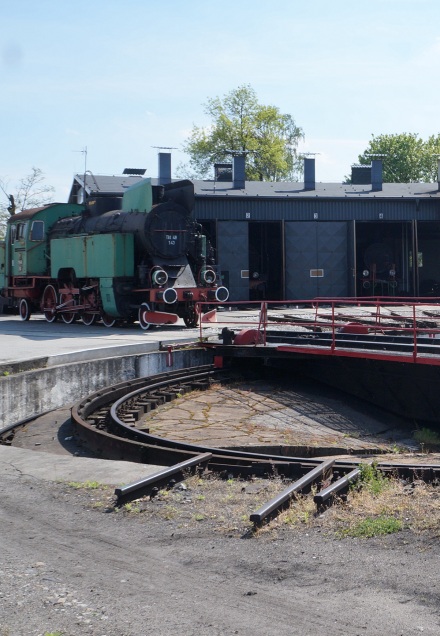
Oto jedno z najważniejszych urządzeń w parowozowni. Poprzez obracanie kieruje lokomotywy do hali napraw. Maszyna pozwala na odwrócenie parowozu przodem do kierunku jazdy, dzięki czemu może on rozwijać swą maksymalną prędkość.

Konstrukcja naszej obrotnicy jest rozwinięciem 8 i 14-metrowych obrotnic ręcznych bez napędu przeznaczonych do obracania wagonów. Używano ich w większych zakładach przemysłowych, portach czy kopalniach. Powstała według klasycznego projektu stosowanego  w nowobudowanych parowozowniach kolei pruskich o długości 16,2 m.


Pierwszą wolsztyńską obrotnicę wyprodukowano w firmie H. Prollius z Goerlitz w 1901 r., czyli jeszcze przed powstaniem pierwotnej, czterostanowiskowej hali postojowej. Elementem mocno eksploatowanym w każdej obrotnicy są przekładnie zębate. (odgłos przekładni) Dlatego z powodu bardzo dużego zużycia w 1949 roku wymieniono całą przekładnię w budce sterującej na identyczną sprowadzoną z Lubska.

Niestety w późniejszym okresie, z uwagi na zwichrowanie, pierwszą obrotnicę pocięto na złom, a w jej miejsce w 1946 r. zamontowano urządzenie z 1908 r. o identycznej konstrukcji, używane dotychczas w Kożuchowie. Do napędu ręcznego dorobiono silnik elektryczny. Całą część elektryczną obrotnicy stworzył niemiecki Siemens, cześć mechaniczną wykonała zaś firma J.E. Christoph A.G. z Niesky koło Görlitz.
Obrotnica
Obrotnica

Visit Social media:

Share Social media:

How it working

To listen to the history of monuments as part of the "Discover History" project, you need to follow a few simple steps. Below, we present a short, step-by-step "user manual" to provide a relatively simple way to access the mini-auditions.

STEP 1

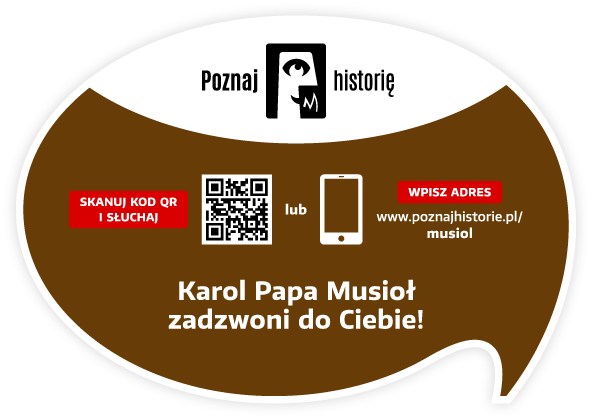
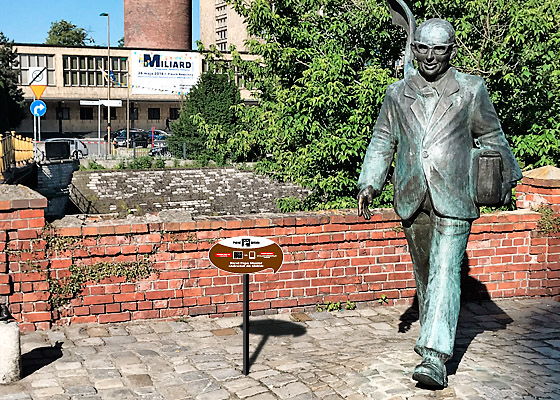
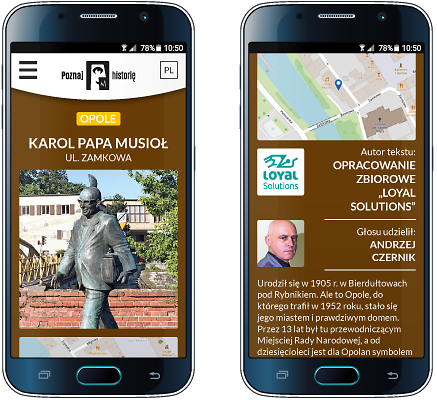
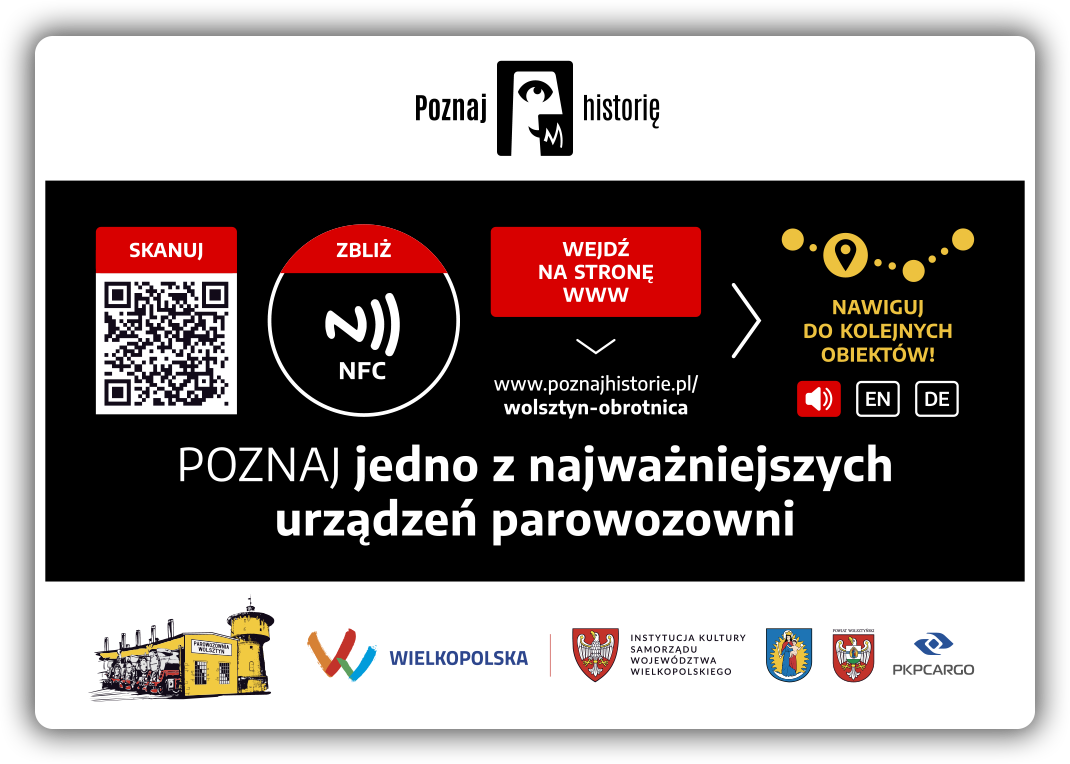
You need a smartphone with a camera. The camera lens should be pointed at the information plaque located next to the monument. Below is a view of the plaque itself and its example location next to the Karol Musioł monument in Opole.

STEP 2

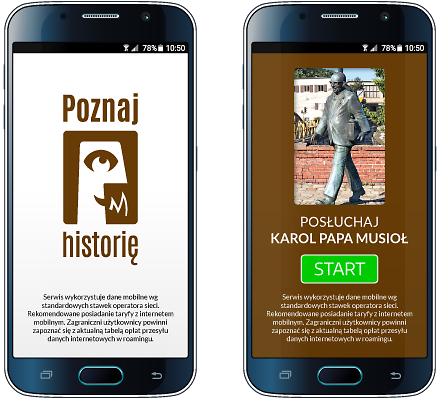
After pointing your smartphone's camera at the QR code located on the right side of the plaque, the app's welcome screen will appear, followed by a screen with the name, photo of the monument, and the "START" button.

STEP 3

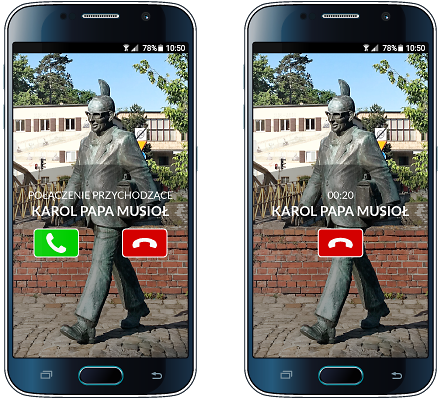
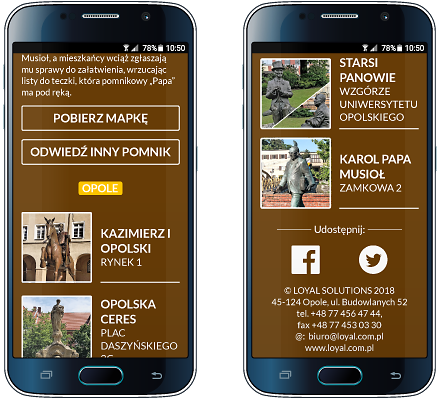
The "START" button starts the audio recording process.
Your smartphone will prompt you with the next steps after you listen to the story or pause it. Please keep an eye on your smartphone screen!

STEP 4

Other available options: brief information about the monument, author of the text and recording, list of other monuments in the city included in the "Discover History" project, downloadable map of monuments, video, and social media links


Would you like to implement the project in your city as well?

Contact

Project partners

Implementing the "Discover history" project in each city requires the involvement of many people: programmers, graphic designers, writers, actors, sound engineers, and coordinators. It is thanks to them that this project came to life.

Our ambition is to continually expand its reach. Therefore, we thank our current partners and invite additional cities, institutions, companies, and individuals to collaborate!


Would you like to become our Partner of the project or monument?

Contact

Contact

Are you interested in implementing the project in your city? Want to learn more? Want to learn more? Write to us, call us! We'll contact you and arrange a meeting. We'll prepare materials and a proposal for you.