Lapidarium

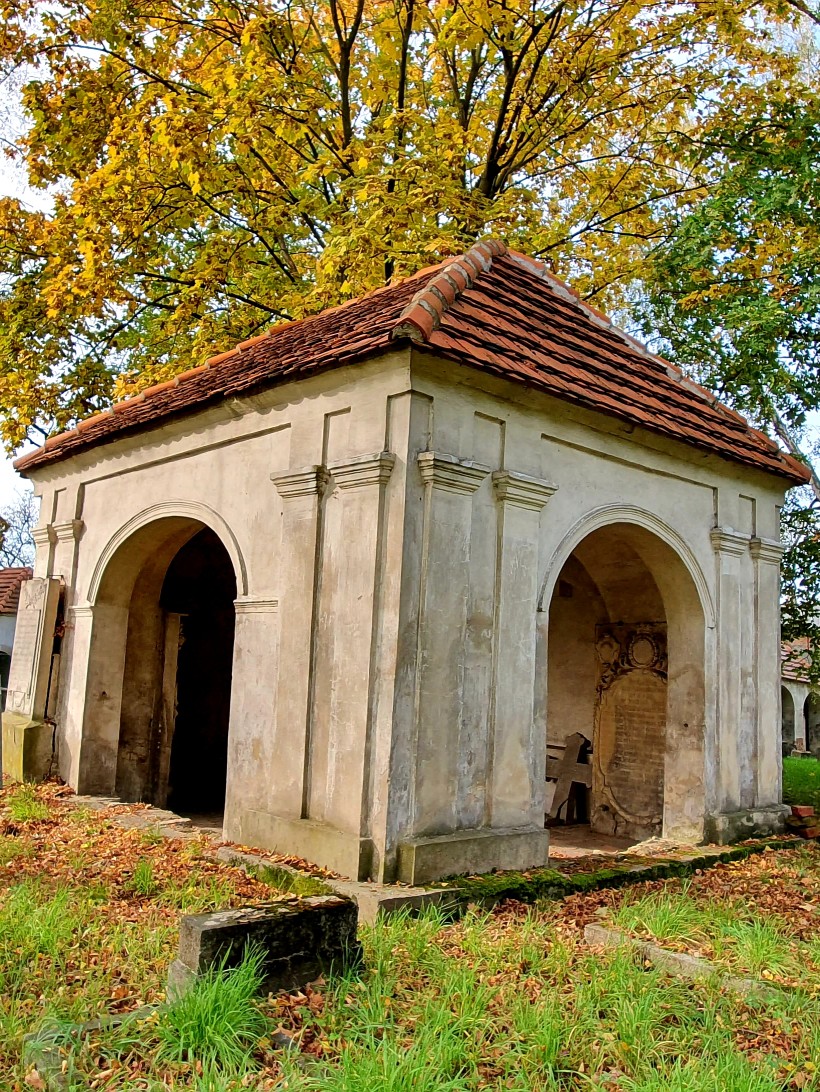
Lapidarium powstało w miejscu dawnego cmentarza protestanckiego pod imieniem Świętej Trójcy. Funkcjonująca tu gmina ewangelicka dostała pozwolenie na jego założenie w 1634 roku. Przez lata cmentarz ten był główną nekropolią większej części mieszkańców protestanckich.

Był kilka razy przebudowywany, a w 1734 roku powiększony o aneks południowo-zachodni. Ponad hektarowy teren otoczono wysokim murem z cegły. Mur rozdzielono następnie pilastrami i od wewnątrz urozmaicono niszami z płytami nagrobnymi.

Dziś funkcjonuje tu prawdziwe muzeum rzeźby sakralnej - jeden z najpiękniejszych tego typu obiektów w Polsce, z najlepiej zachowanym zespołem sztuki nagrobnej. Lapidarium powstało w latach 70-tych ubiegłego wieku. Pod koniec pierwszej połowy XVII wieku powstała kaplica, znajdująca się tuż przy bramie głównej, która przed wiekami pełniła funkcję zboru.

W lapidarium jest także zespół XVII i XVIII-wiecznych kaplic grobowych bogatych mieszczan wyznania protestanckiego. Budowle te wzorowano na średniowiecznym Campo Santo czy późniejszych tego typu obiektach z Saksonii albo Turyngii.

Jest tu również około 269 płyt nagrobnych z XVI, XVII, XVIII i XIX wieku: renesansowych, barokowych, rokokowe i klasycystyczne.
Lapidarium
Lapidarium

Visit Social media:

Share Social media:

How it working

To listen to the history of monuments as part of the "Discover History" project, you need to follow a few simple steps. Below, we present a short, step-by-step "user manual" to provide a relatively simple way to access the mini-auditions.

STEP 1

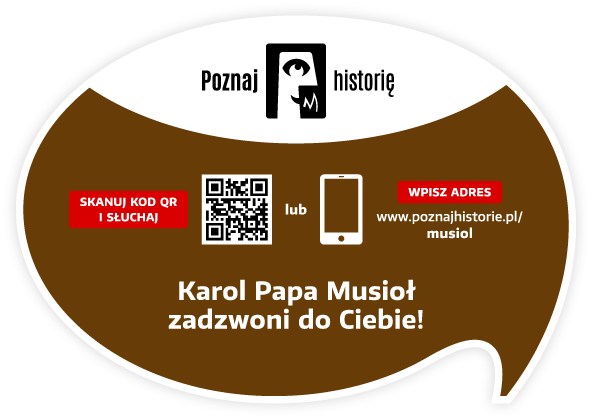
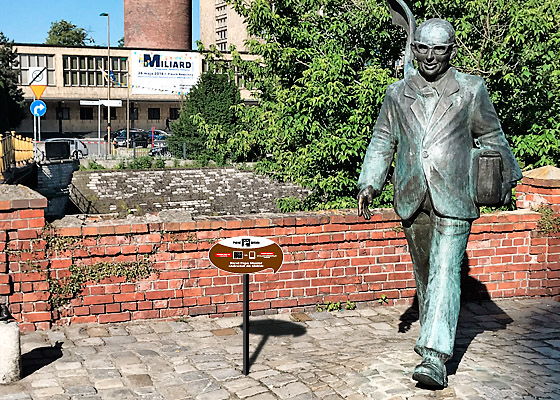
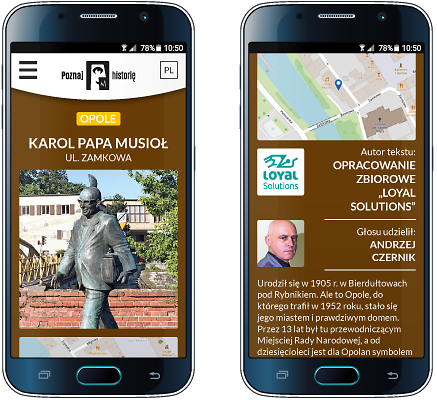
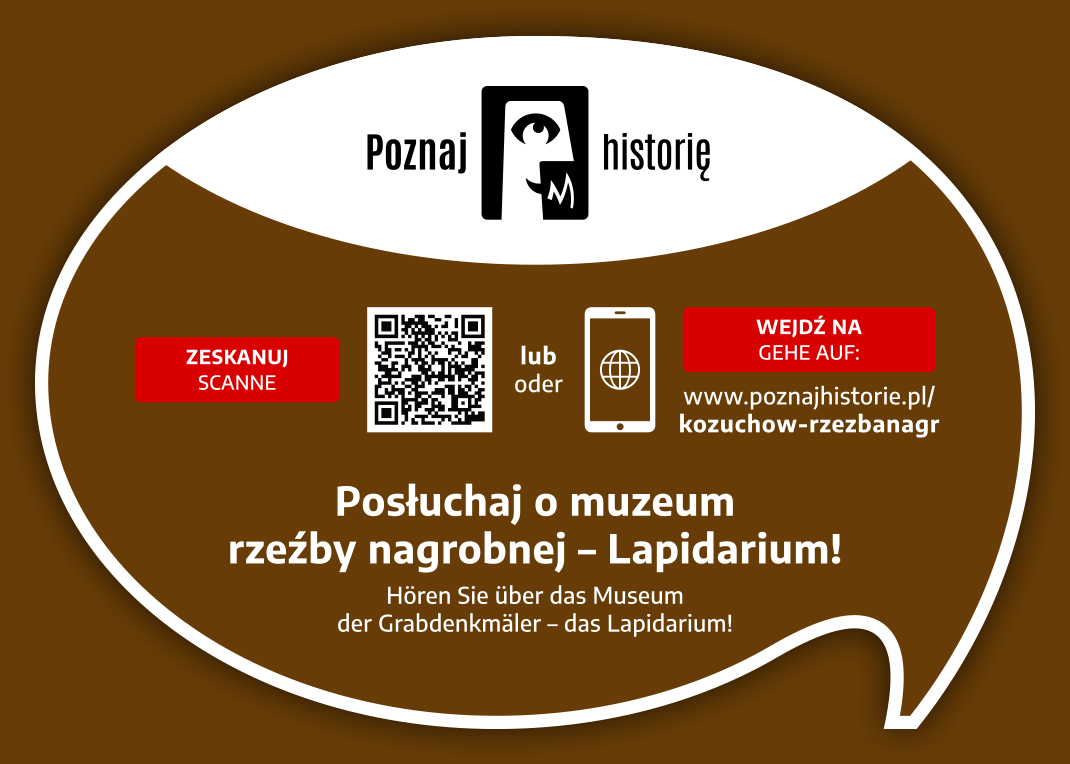
You need a smartphone with a camera. The camera lens should be pointed at the information plaque located next to the monument. Below is a view of the plaque itself and its example location next to the Karol Musioł monument in Opole.

STEP 2

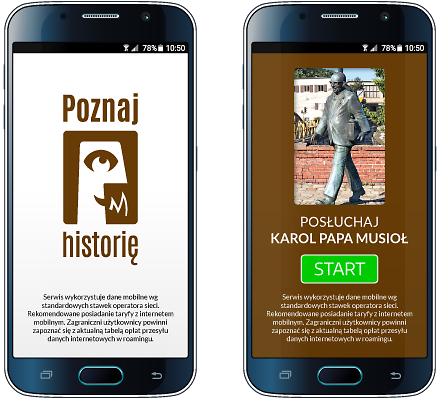
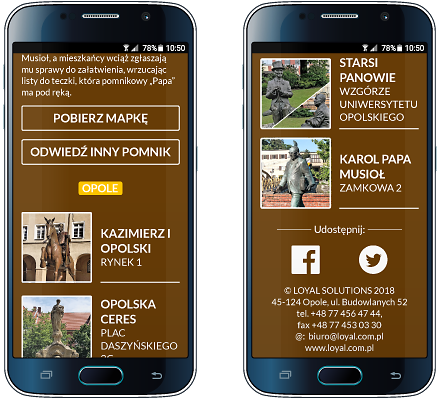
After pointing your smartphone's camera at the QR code located on the right side of the plaque, the app's welcome screen will appear, followed by a screen with the name, photo of the monument, and the "START" button.

STEP 3

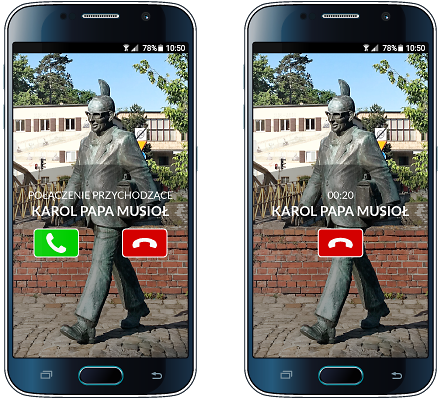
The "START" button starts the audio recording process.
Your smartphone will prompt you with the next steps after you listen to the story or pause it. Please keep an eye on your smartphone screen!

STEP 4

Other available options: brief information about the monument, author of the text and recording, list of other monuments in the city included in the "Discover History" project, downloadable map of monuments, video, and social media links


Would you like to implement the project in your city as well?

Contact

Project partners

Implementing the "Discover history" project in each city requires the involvement of many people: programmers, graphic designers, writers, actors, sound engineers, and coordinators. It is thanks to them that this project came to life.

Our ambition is to continually expand its reach. Therefore, we thank our current partners and invite additional cities, institutions, companies, and individuals to collaborate!


Would you like to become our Partner of the project or monument?

Contact

Contact

Are you interested in implementing the project in your city? Want to learn more? Want to learn more? Write to us, call us! We'll contact you and arrange a meeting. We'll prepare materials and a proposal for you.