Zamek z murami obronnymi

Początki powstania fortyfikacji sięgają połowy XIII w.  Prawdopodobnie pierwszym etapem wznoszenia fortyfikacji była budowa obwarowań drewniano-ziemnych. Miasto było otoczone wałem ziemnym w granicach miasta lokacyjnego. Na przełomie XIII i XIV w. wały zastąpiono kamiennym murem kurtynowym.

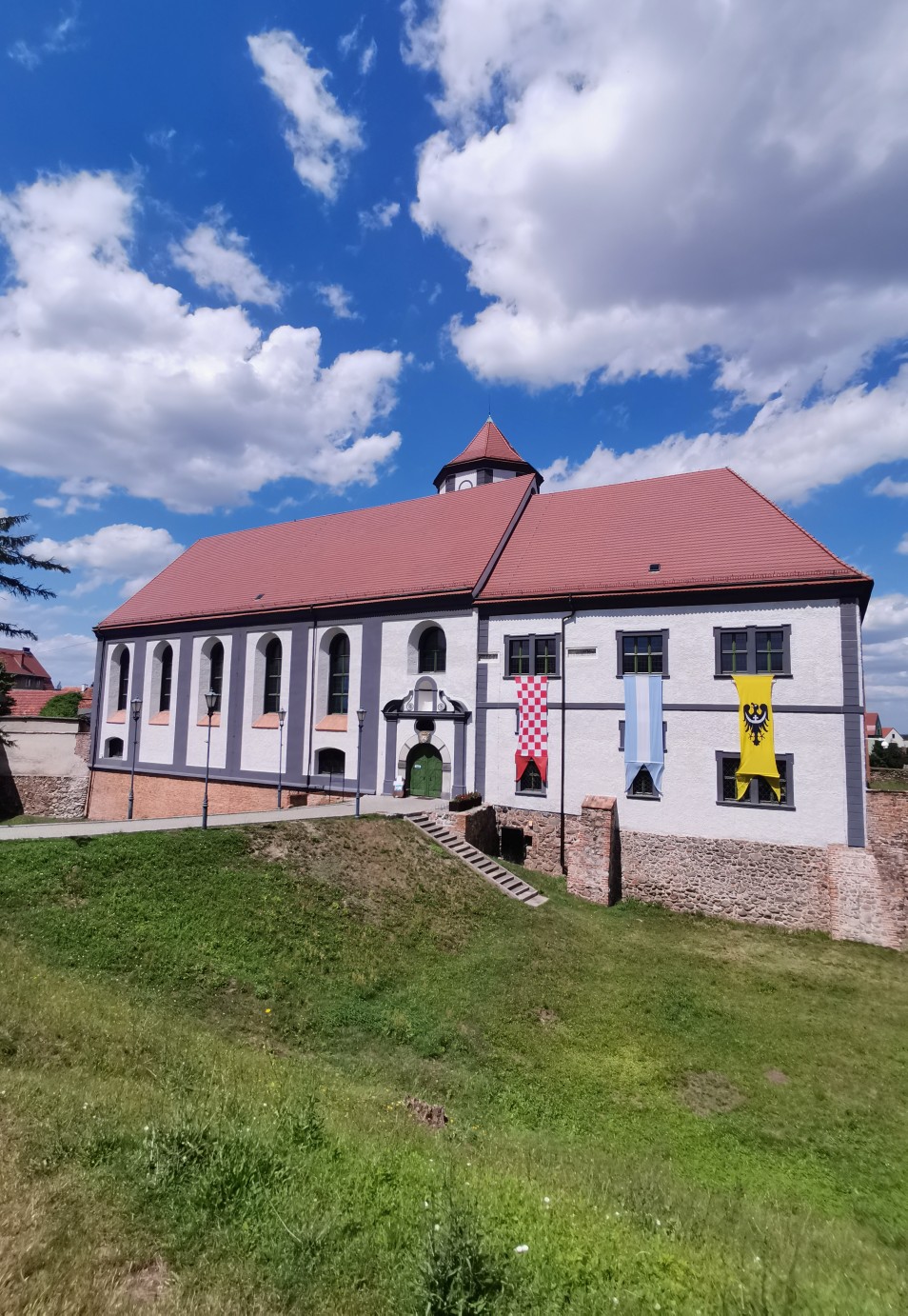
Zamek w Kożuchowie wybudowali na początku XIV wieku Piastowie głogowscy. Stanął on w miejscu średniowiecznego grodu kasztelańskiego. Budowla, która przetrwała zawieruchę ostatniej wojny nietknięta, pierwotnie była otoczona kurtynowym murem, wzniesionym z kamienia narzutowego i cegły. W jej południowo-zachodnim narożniku stanęła potężna wieża, a do muru od wschodu przylegał prostokątny, piętrowy budynek mieszkalny.

Zamkowe mury, wysokie bagatela na 8 metrów, zbudowane zostały z kamienia polnego, który ułożono warstwowo. A całość otaczała imponująca fosa, która w niektórych miejscach miała nawet do 20 metrów szerokości. Wtedy wypełniona była dającą dodatkowo poczucie bezpieczeństwa wodą, teraz jest sucha. Dziś te mury i fosa są unikatowe. Także dlatego, że zachowały się niemal w pierwotnej długości.

Od lat 60-tych ubiegłego wieku przeznaczono go na cele kulturalne, którym służy do dzisiaj. Ma obecnie trzy dwukondygnacyjne skrzydła, które nakryte są czterospadowymi dachami. Obecnie znajduje się pod administracją Centrum Kultury „Zamek” i jest jedną z najciekawszych turystycznych atrakcji województwa lubuskiego.
Zamek z murami obronnymi
Zamek w Kożuchowie

Visit Social media:

Share Social media:

How it working

To listen to the history of monuments as part of the "Discover History" project, you need to follow a few simple steps. Below, we present a short, step-by-step "user manual" to provide a relatively simple way to access the mini-auditions.

STEP 1

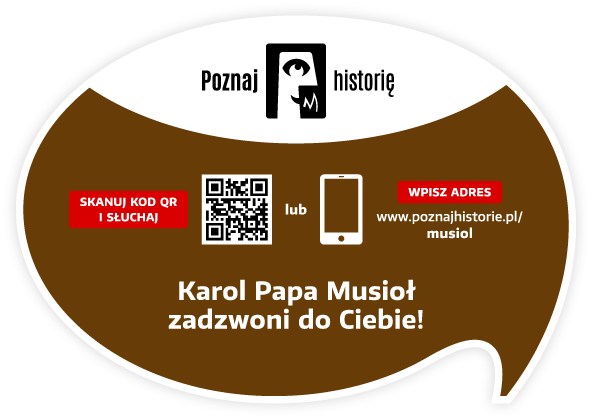
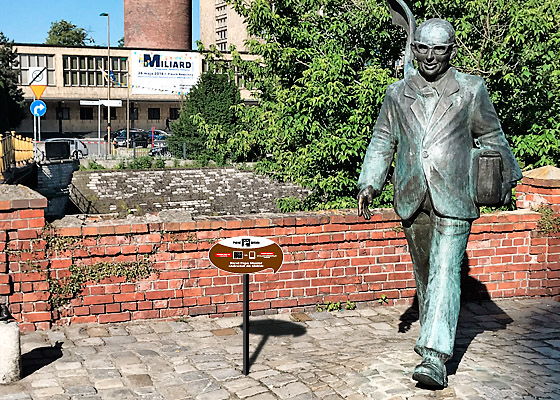
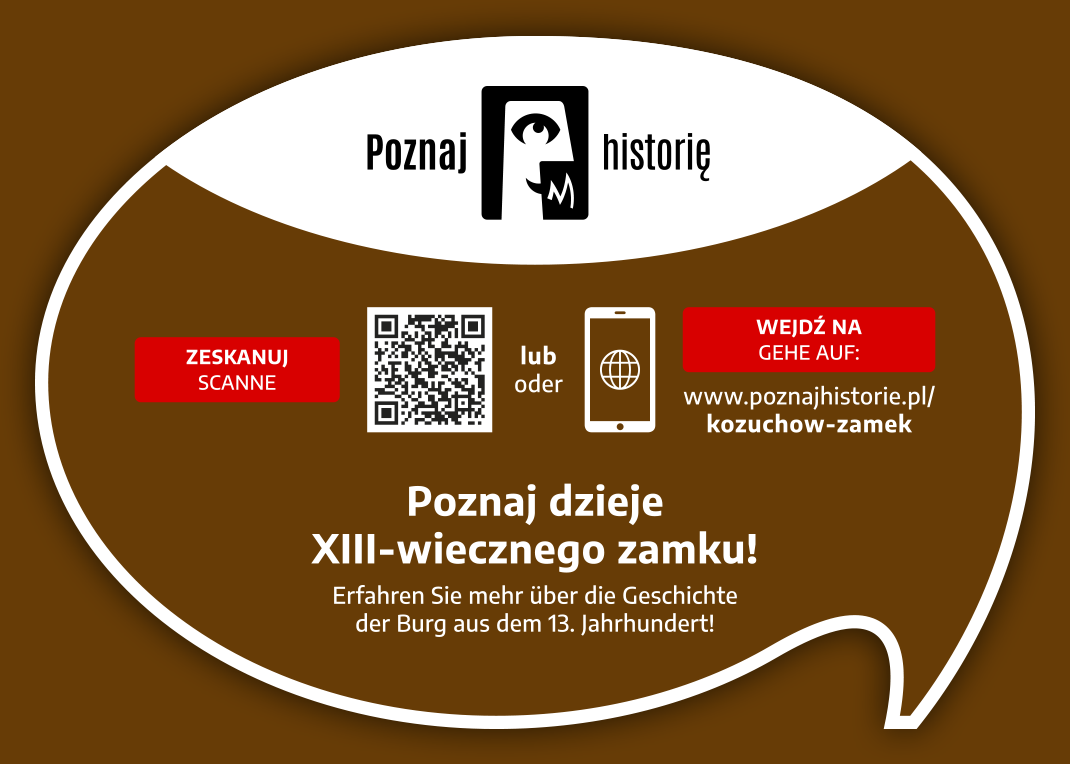
You need a smartphone with a camera. The camera lens should be pointed at the information plaque located next to the monument. Below is a view of the plaque itself and its example location next to the Karol Musioł monument in Opole.

STEP 2

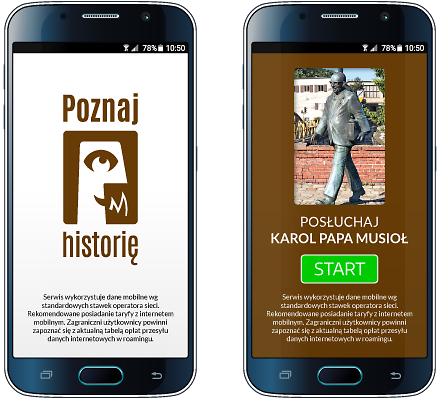
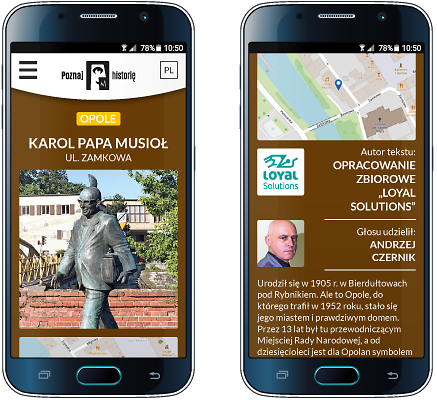
After pointing your smartphone's camera at the QR code located on the right side of the plaque, the app's welcome screen will appear, followed by a screen with the name, photo of the monument, and the "START" button.

STEP 3

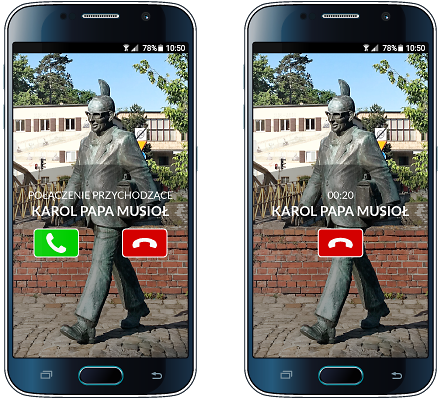
The "START" button starts the audio recording process.
Your smartphone will prompt you with the next steps after you listen to the story or pause it. Please keep an eye on your smartphone screen!

STEP 4

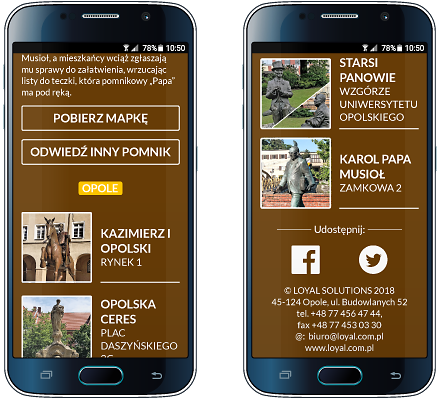
Other available options: brief information about the monument, author of the text and recording, list of other monuments in the city included in the "Discover History" project, downloadable map of monuments, video, and social media links


Would you like to implement the project in your city as well?

Contact

Project partners

Implementing the "Discover history" project in each city requires the involvement of many people: programmers, graphic designers, writers, actors, sound engineers, and coordinators. It is thanks to them that this project came to life.

Our ambition is to continually expand its reach. Therefore, we thank our current partners and invite additional cities, institutions, companies, and individuals to collaborate!


Would you like to become our Partner of the project or monument?

Contact

Contact

Are you interested in implementing the project in your city? Want to learn more? Want to learn more? Write to us, call us! We'll contact you and arrange a meeting. We'll prepare materials and a proposal for you.