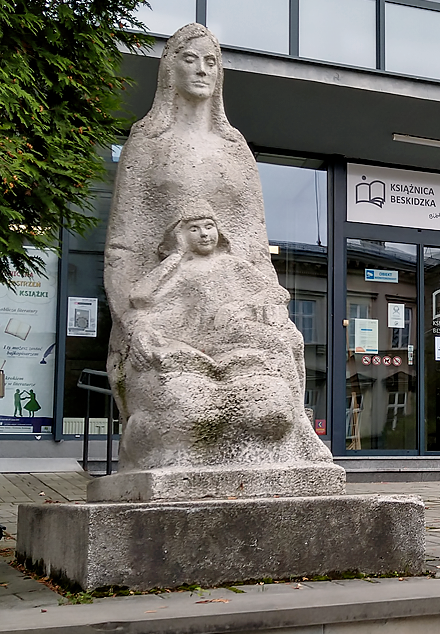
Pomnik „Poczytaj
mi Mamo”

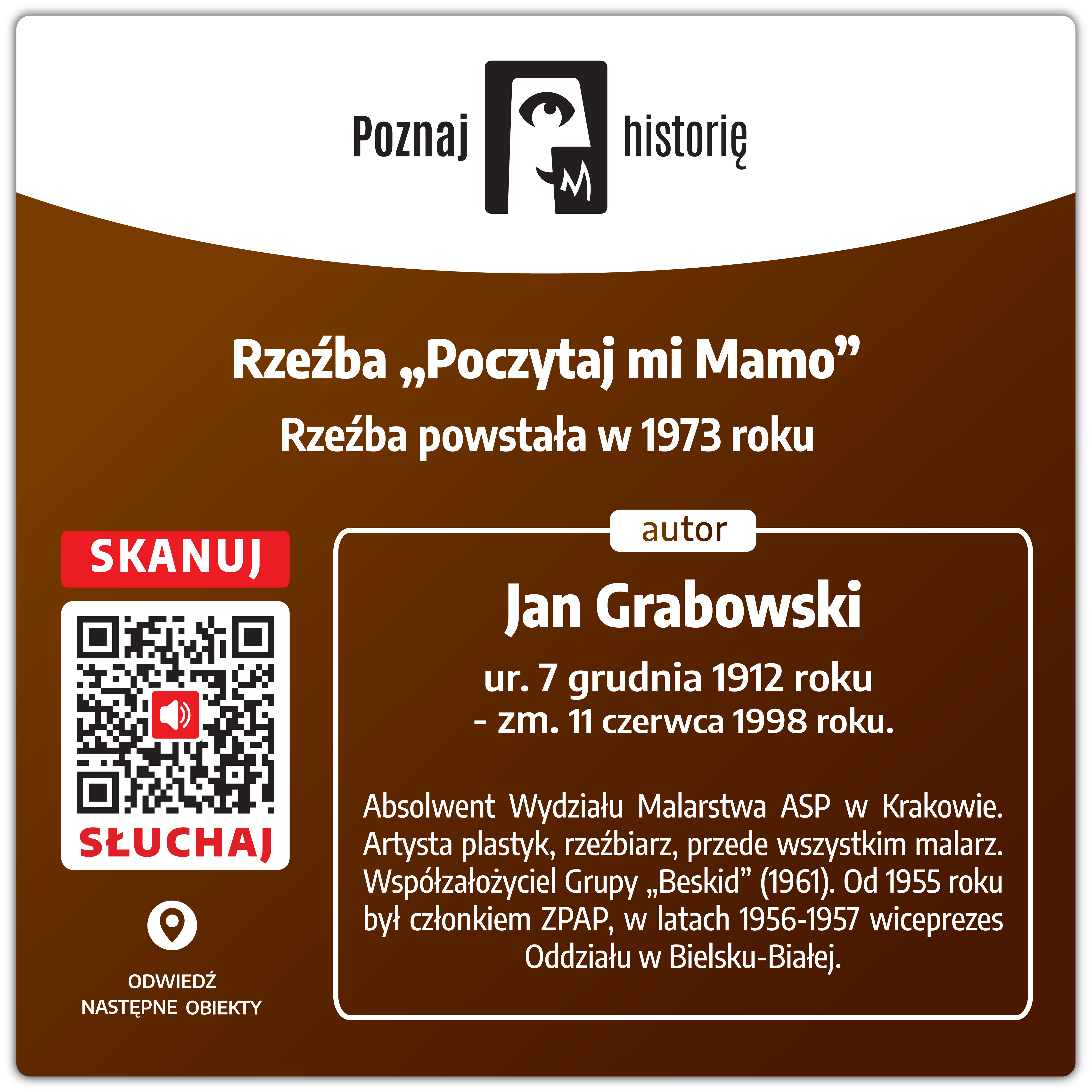
Ten bijący spokojem pomnik zwany „Poczytaj mi mamo” stworzył nieżyjący już artysta Jan Grabowski. To postać niezwykła. Jego życiorys to wręcz gotowy scenariusz na film. Był jednym z najbardziej znanych i płodnych malarzy bielskich.

Ja Grabowski pochodził z Kęt w Małopolsce, gdzie urodził się w 1912 roku. W wieku 24 lat postanowił iść w ślady brata i zostać duchownym. Wstąpił wtedy to Towarzystwa Chrystusowego i blisko cztery lata spędził na modlitwie w domu zgromadzenia braci chrystusowców w Potulicach koło Bydgoszczy. Miał zostać misjonarzem i wyjechać do Indochin, ale plany te pokrzyżowała mu II wojna światowa.

Na Akademię Sztuk Pięknych poszedł dopiero w wieku 36 lat. Dyplom uzyskał w pracowni malarskiej profesora Zbigniewa Pronaszki. Malował głównie pejzaże i portrety, ale też martwe natury, polichromie w kościołach. Tworzył również grafikę i rzeźbę. Prócz pomnika „Poczytaj mi mamo” w Książnicy, na pierwszym piętrze, jest jeszcze jedna jego praca: stiukowa płaskorzeźba Pegaza. Jest też autorem polichromii - między innymi w kościołach w Bielsku-Białej, Ślemieniu, Bystrzycy Kłodzkiej, Międzylesiu, Stawigudzie na Warmii, Pewli Małej koło Żywca, Wilamowicach, Wrocławiu czy Lublinie.

Niestety, bardzo wiele dzieł Grabowskiego spłonęło w pożarze jego pracowni, który miał miejsce w 1977 roku. Na szczęście artysta wiele swoich prac rozdał w zamian za dobra w tamtych czasach reglamentowane. Część też oczywiście sprzedał. Z ciekawostek - zarabiał także jako krawiec, którego to zawodu wyuczył się w klasztorze.
Pomnik „Poczytaj mi Mamo”
Pomnik „Poczytaj mi Mamo”.

Visit Social media:

Share Social media:

How it working

To listen to the history of monuments as part of the "Discover History" project, you need to follow a few simple steps. Below, we present a short, step-by-step "user manual" to provide a relatively simple way to access the mini-auditions.

STEP 1

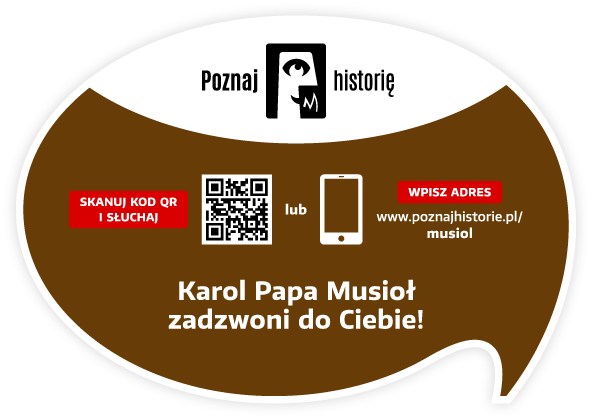
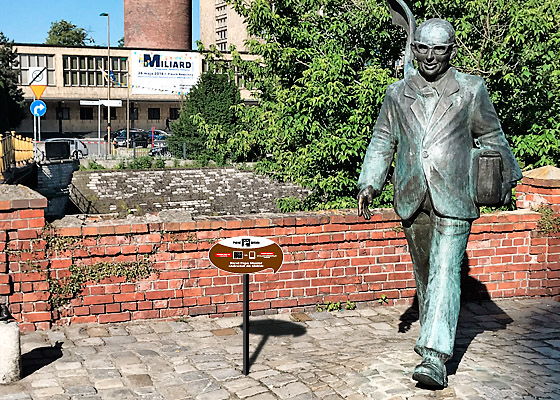
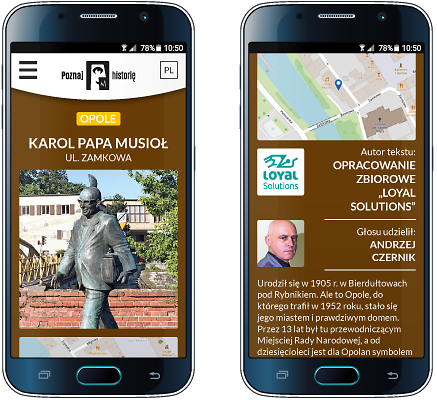
You need a smartphone with a camera. The camera lens should be pointed at the information plaque located next to the monument. Below is a view of the plaque itself and its example location next to the Karol Musioł monument in Opole.

STEP 2

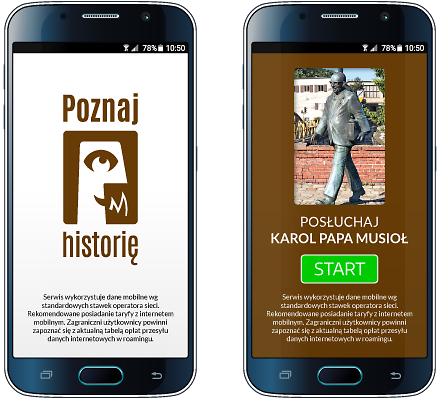
After pointing your smartphone's camera at the QR code located on the right side of the plaque, the app's welcome screen will appear, followed by a screen with the name, photo of the monument, and the "START" button.

STEP 3

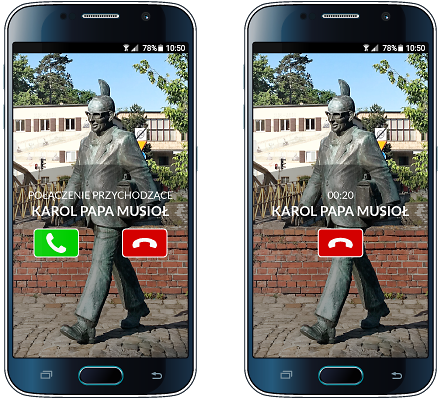
The "START" button starts the audio recording process.
Your smartphone will prompt you with the next steps after you listen to the story or pause it. Please keep an eye on your smartphone screen!

STEP 4

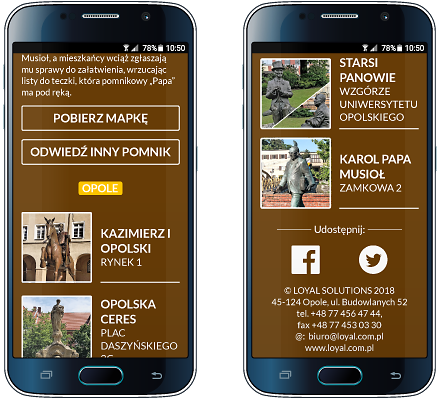
Other available options: brief information about the monument, author of the text and recording, list of other monuments in the city included in the "Discover History" project, downloadable map of monuments, video, and social media links


Would you like to implement the project in your city as well?

Contact

Project partners

Implementing the "Discover history" project in each city requires the involvement of many people: programmers, graphic designers, writers, actors, sound engineers, and coordinators. It is thanks to them that this project came to life.

Our ambition is to continually expand its reach. Therefore, we thank our current partners and invite additional cities, institutions, companies, and individuals to collaborate!


Would you like to become our Partner of the project or monument?

Contact

Contact

Are you interested in implementing the project in your city? Want to learn more? Want to learn more? Write to us, call us! We'll contact you and arrange a meeting. We'll prepare materials and a proposal for you.