Parish Church

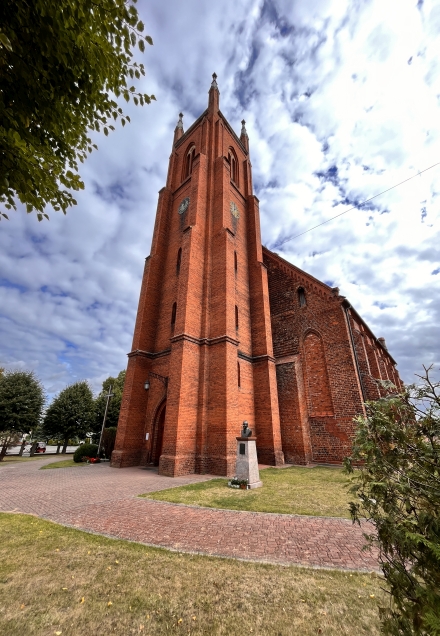
We know that the temple stood here as early as 1335. A year later, the knight Dietrich von Born and two townspeople, Johan Melzer and Wilkin von Wriezen, founded an altar in honor of the Virgin Mary.

The church has evolved strongly, and it will not be an exaggeration to say that its greatest architect were ... fires. The three largest ones took place in 1417, 1618 and 1710. Apart from the elements, the church interior was also changed by the faithful themselves. Once they were Catholics, other times Protestants who adjusted them to their liturgies.

Where to look for pearls of history today? Certainly on the main altar in the form of a neo-Gothic ciborium from the end of the 19th century with a statue of Christ placed under a canopy. Noteworthy is also a wooden neo-Gothic baptismal font from the end of the 19th century, or a fragment of baroque stained glass from 1663-1665. You can find them in two windows in the southern aisle. The church also has a unique instrument: the Hofberg harmonium from the beginning of the 20th century. In addition, the relics of St. Andrzej Bobola with an 18th century base, and an urn with soil from the battlefields of the September Campaign from 1939.

In the aisle there is a Madonna with a child. This work is extraordinary not only in terms of aesthetics. It was established during the Second World War in ... a German POW camp, which was located less than a kilometer from the city. It was made by the artistically talented lieutenant Stanisław Horno-Popławski, who for nearly five years created it in the workshop of the kitchen wing of the barracks.


Parish Church
Parish Church

Visit Social media:

Share Social media:

How it working

To listen to the history of monuments as part of the "Discover History" project, you need to follow a few simple steps. Below, we present a short, step-by-step "user manual" to provide a relatively simple way to access the mini-auditions.

STEP 1

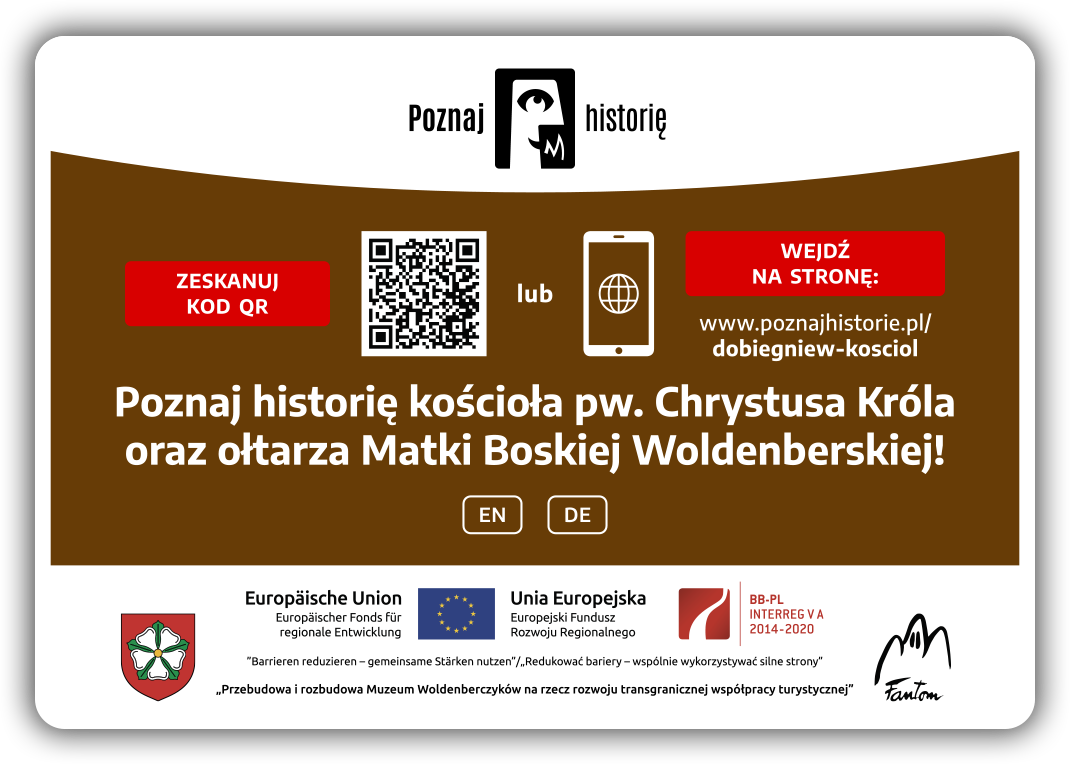
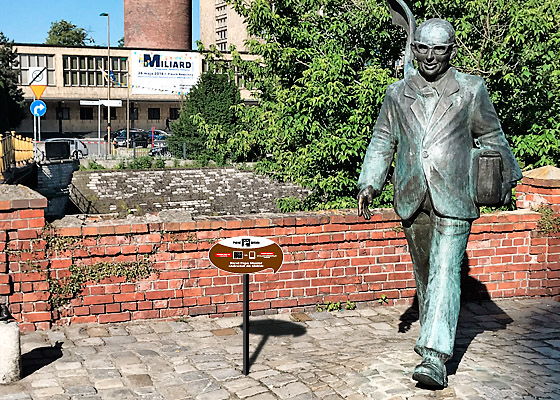
You need a smartphone with a camera. The camera lens should be pointed at the information plaque located next to the monument. Below is a view of the plaque itself and its example location next to the Karol Musioł monument in Opole.

STEP 2

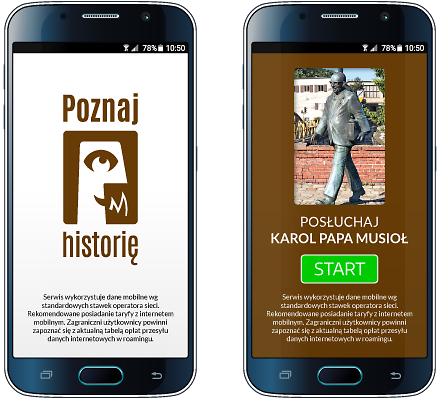
After pointing your smartphone's camera at the QR code located on the right side of the plaque, the app's welcome screen will appear, followed by a screen with the name, photo of the monument, and the "START" button.

STEP 3

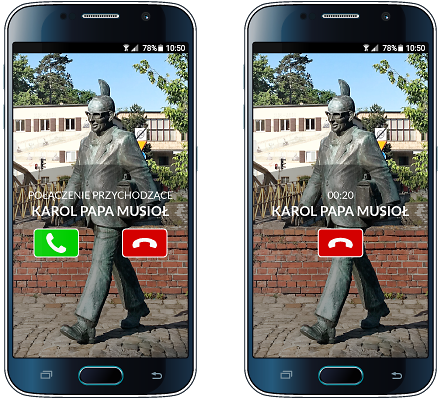
The "START" button starts the audio recording process.
Your smartphone will prompt you with the next steps after you listen to the story or pause it. Please keep an eye on your smartphone screen!

STEP 4

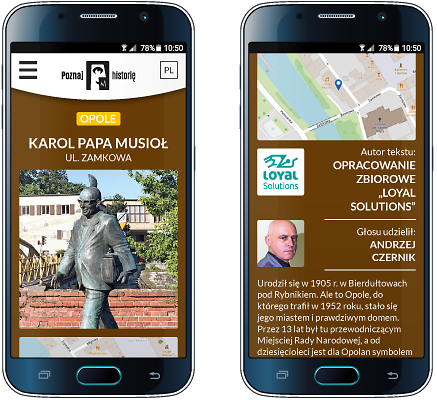
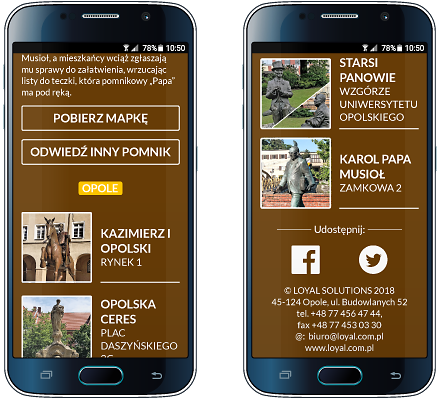
Other available options: brief information about the monument, author of the text and recording, list of other monuments in the city included in the "Discover History" project, downloadable map of monuments, video, and social media links


Would you like to implement the project in your city as well?

Contact

Project partners

Implementing the "Discover history" project in each city requires the involvement of many people: programmers, graphic designers, writers, actors, sound engineers, and coordinators. It is thanks to them that this project came to life.

Our ambition is to continually expand its reach. Therefore, we thank our current partners and invite additional cities, institutions, companies, and individuals to collaborate!


Would you like to become our Partner of the project or monument?

Contact

Contact

Are you interested in implementing the project in your city? Want to learn more? Want to learn more? Write to us, call us! We'll contact you and arrange a meeting. We'll prepare materials and a proposal for you.