Kolegium Carolinum

Carolinum ściągnęło do Nysy wiele znakomitości. Jego pierwszym rektorem był uczony światowej sławy – matematyk, astronom, jezuita, odkrywca plam na Słońcu i twórca helioskopu Christoph Scheiner.

W gronie absolwentów szkoły znaleźli się między innymi Michał Korybut Wiśniowiecki, późniejszy król Polski; syn króla Jana III Sobieskiego – Jakub; laureat Nobla z medycyny Konrad Bloch; arcybiskup opolski Alfons Nossol; pisarz Rafał Urban oraz aktorzy – Marta Klubowicz czy Jacek Sobala.

Pierwsze Carolinum było pięcioklasową szkołą, która słynęła z wysokiego poziomu nauczania i bogatego księgozbioru. Ten ostatni w dużej mierze spłonął podczas pożaru wywołanego w czasie wojny trzydziestoletniej. Liczył wtedy blisko 12 tysięcy woluminów. W tamtych czasach w nyskim Carolinum uczyła się młodzież nie tylko z całego Śląska, ale też z wielu europejskich krajów.

Szkoła podupadła w roku 1742, po przyłączeniu Śląska do Prus. Zakonnicy opuścili budynek dopiero kilkadziesiąt lat później, po pruskiej sekularyzacji. Wtedy gmach wyremontowano i utworzono w nim królewskie gimnazjum katolickie. W 1924 roku otrzymało ono nazwę Carolinum - na cześć założyciela dawnego seminarium świętej Anny, biskupa Karola Habsburga.


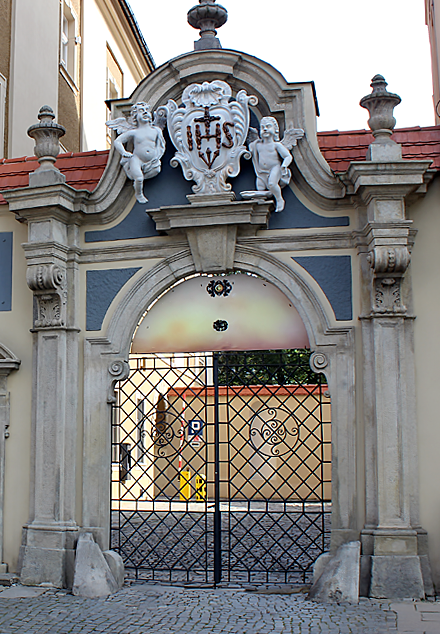
Warto zwrócić uwagę, że Carolinum zachwyca nie tylko wielowiekowymi tradycjami, ale też architekturą. Barokowy gmach został wzniesiony na planie litery „E”. Nawiązuje do typowej, jezuickiej architektury i zachwyca detalami – na zewnątrz i wewnątrz. W budynku zachowały się dwa pomieszczenia o niezwykle bogatych dekoracjach – biblioteka i aula. Ta ostatnia znajduje się w środkowej części gmachu. Dawniej był tu refektarz, służący zakonnikom za jadalnię i salę zebrań.
Kolegium Carolinum
Kolegium Carolinum

Visit Social media:

Share Social media:

How it working

To listen to the history of monuments as part of the "Discover History" project, you need to follow a few simple steps. Below, we present a short, step-by-step "user manual" to provide a relatively simple way to access the mini-auditions.

STEP 1

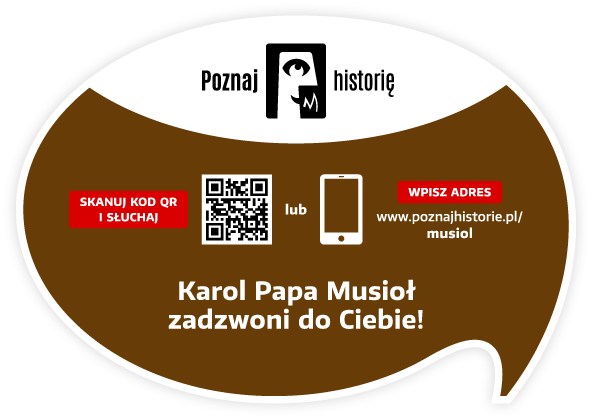
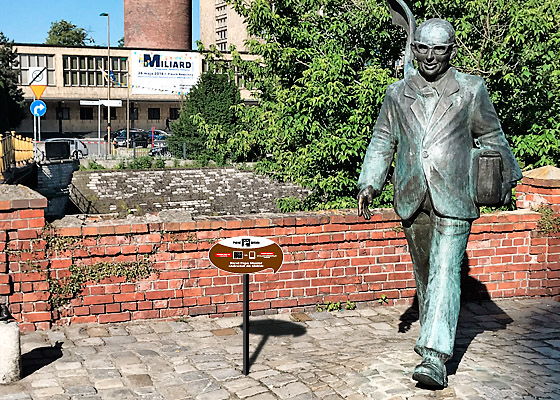
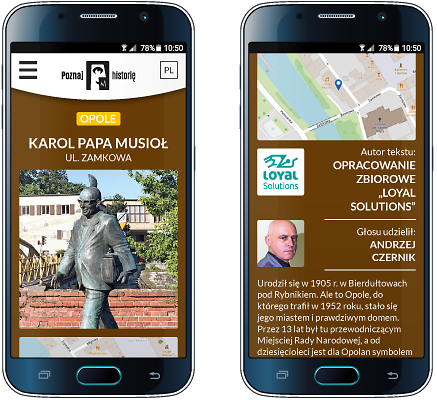
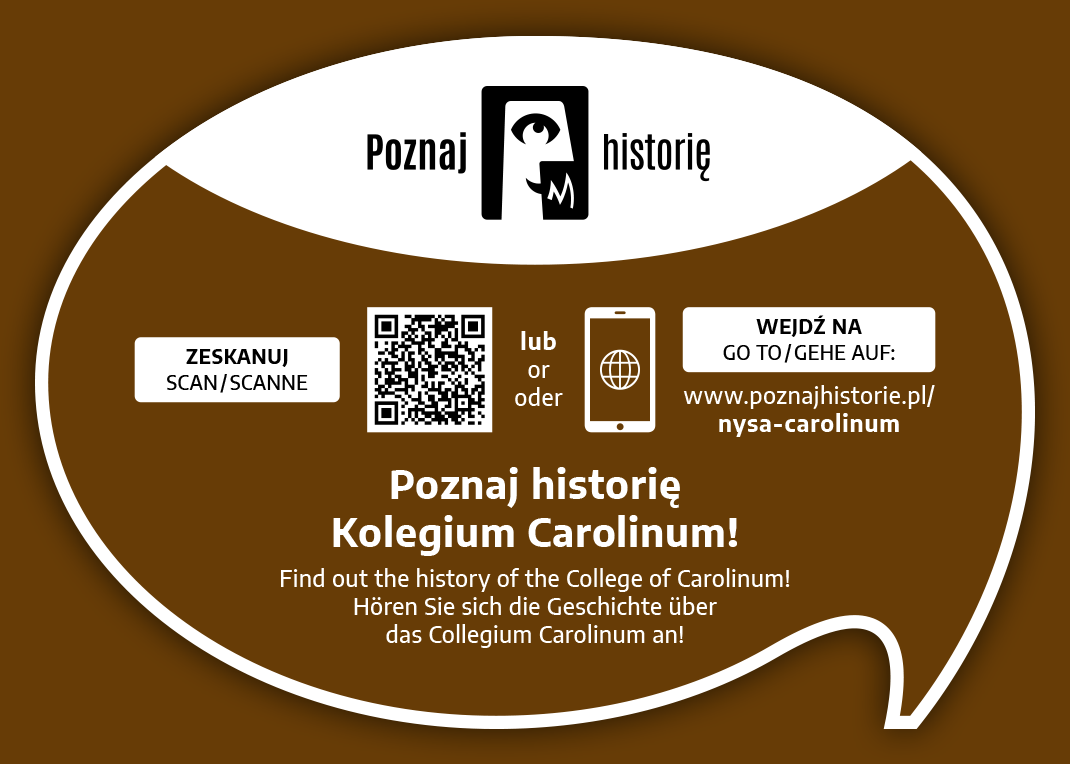
You need a smartphone with a camera. The camera lens should be pointed at the information plaque located next to the monument. Below is a view of the plaque itself and its example location next to the Karol Musioł monument in Opole.

STEP 2

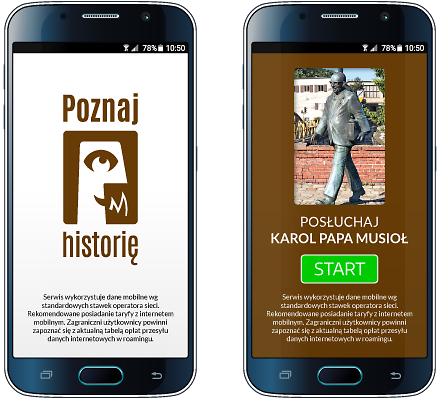
After pointing your smartphone's camera at the QR code located on the right side of the plaque, the app's welcome screen will appear, followed by a screen with the name, photo of the monument, and the "START" button.

STEP 3

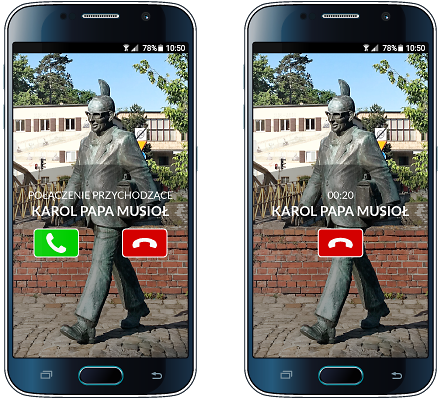
The "START" button starts the audio recording process.
Your smartphone will prompt you with the next steps after you listen to the story or pause it. Please keep an eye on your smartphone screen!

STEP 4

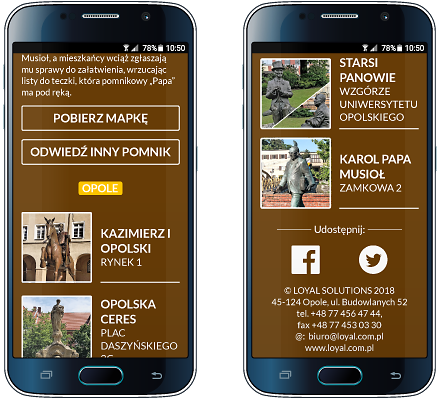
Other available options: brief information about the monument, author of the text and recording, list of other monuments in the city included in the "Discover History" project, downloadable map of monuments, video, and social media links


Would you like to implement the project in your city as well?

Contact

Project partners

Implementing the "Discover history" project in each city requires the involvement of many people: programmers, graphic designers, writers, actors, sound engineers, and coordinators. It is thanks to them that this project came to life.

Our ambition is to continually expand its reach. Therefore, we thank our current partners and invite additional cities, institutions, companies, and individuals to collaborate!


Would you like to become our Partner of the project or monument?

Contact

Contact

Are you interested in implementing the project in your city? Want to learn more? Want to learn more? Write to us, call us! We'll contact you and arrange a meeting. We'll prepare materials and a proposal for you.