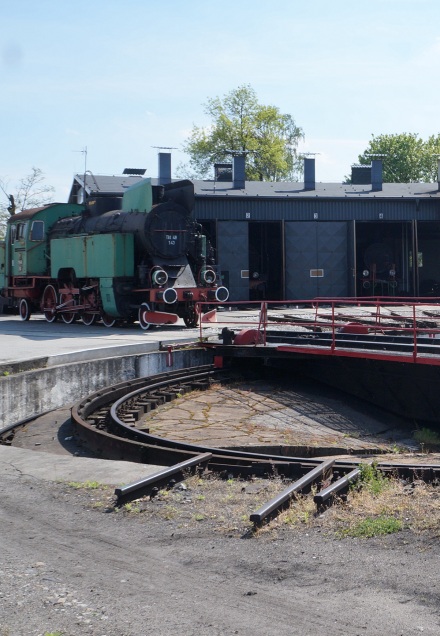
The design of our turntable is a development of 8 and 14-meter manual turntables without a drive intended for turning wagons. They were used in larger industrial plants, ports and mines. It was created according to the classic design used in newly built locomotive sheds of the Prussian Railways, with a length of 16.2 m.
The first turntable in Wolsztyn was manufactured by the H. Prollius company from Goerlitz in 1901, i.e. before the construction of the original four-station parking hall. Gears are a heavily used element in every turntable. (sound of the gear) Therefore, due to very high wear, in 1949 the entire gear in the control box was replaced with an identical one imported from Lubsko.
Unfortunately, later, due to warping, the first turntable was cut to scrap, and in its place, in 1946, a device from 1908 with an identical design, previously used in Kożuchów, was installed. An electric motor was added for manual drive. The entire electrical part of the turntable was created by the German Siemens, while the mechanical part was made by J.E. Christoph A.G. from Niesky near Görlitz.
Turntable
This is one of the most important devices in the locomotive shed. By turning it directs the locomotives to the repair hall. The machine allows the steam locomotive to be turned to face the direction of travel, so that it can develop its maximum speed.
How it working
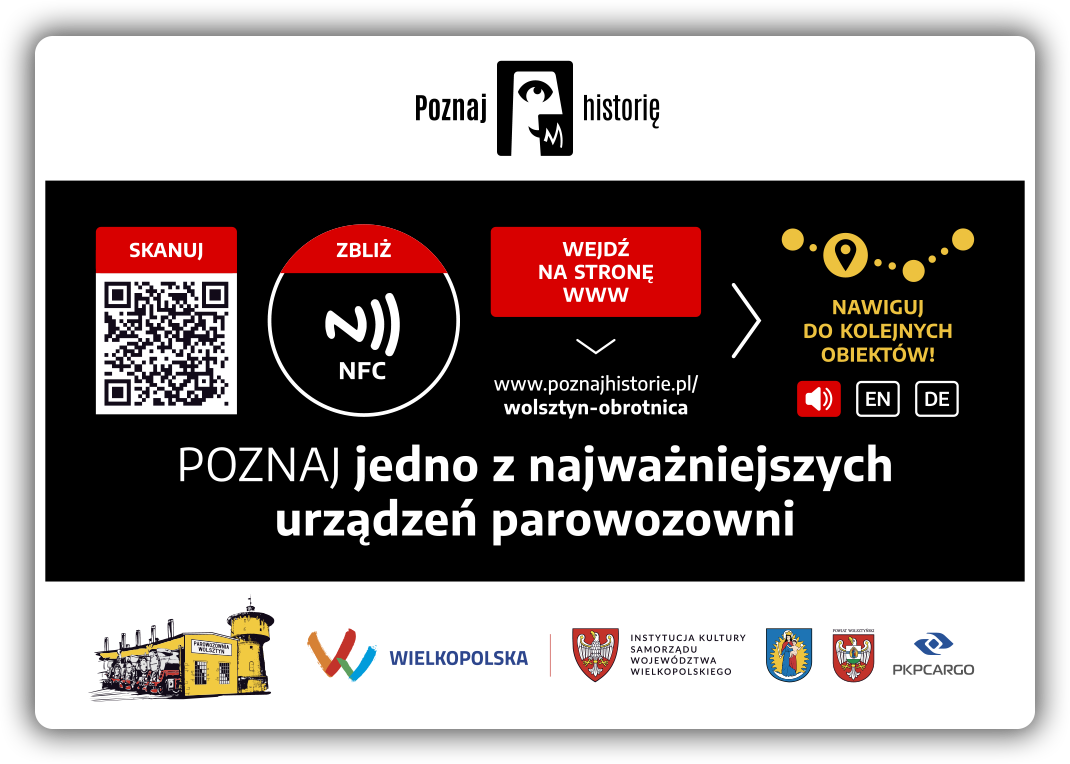
To listen to the history of monuments as part of the "Discover History" project, you need to follow a few simple steps. Below, we present a short, step-by-step "user manual" to provide a relatively simple way to access the mini-auditions.
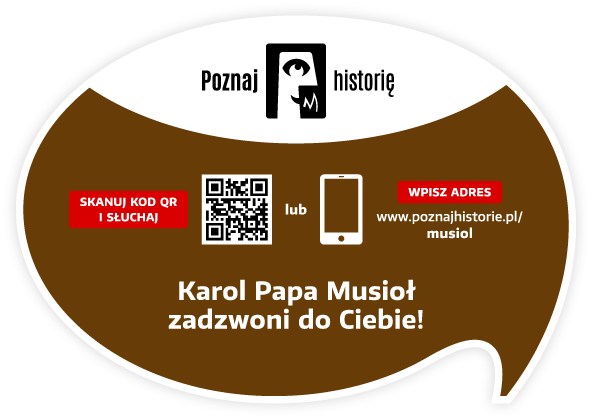
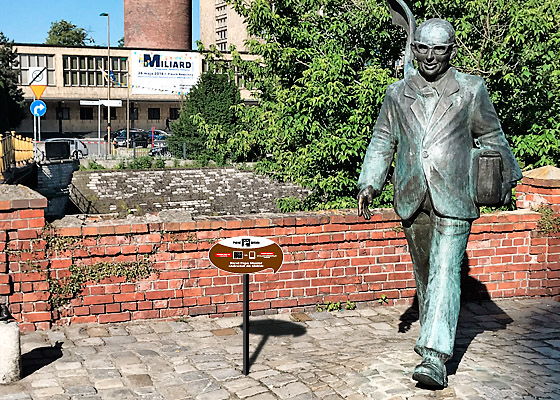
You need a smartphone with a camera. The camera lens should be pointed at the information plaque located next to the monument. Below is a view of the plaque itself and its example location next to the Karol Musioł monument in Opole.
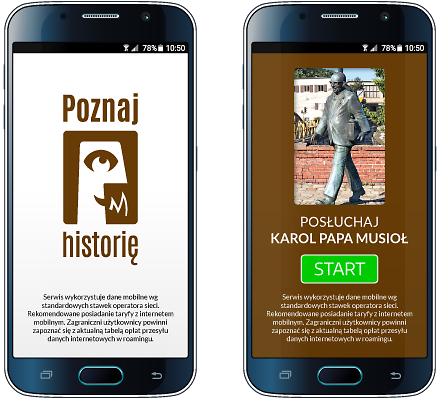
After pointing your smartphone's camera at the QR code located on the right side of the plaque, the app's welcome screen will appear, followed by a screen with the name, photo of the monument, and the "START" button.
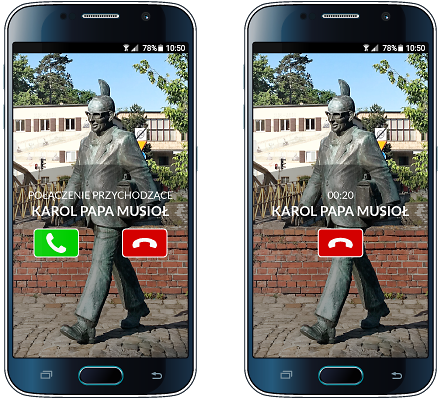
The "START" button starts the audio recording process.
Your smartphone will prompt you with the next steps after you listen to the story or pause it. Please keep an eye on your smartphone screen!
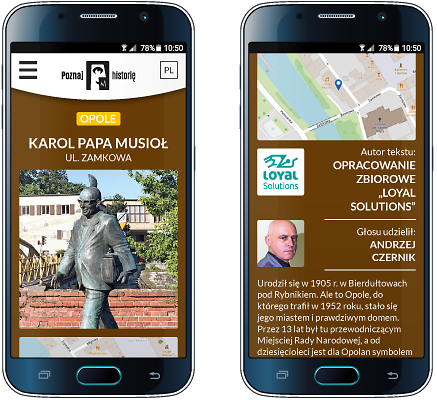
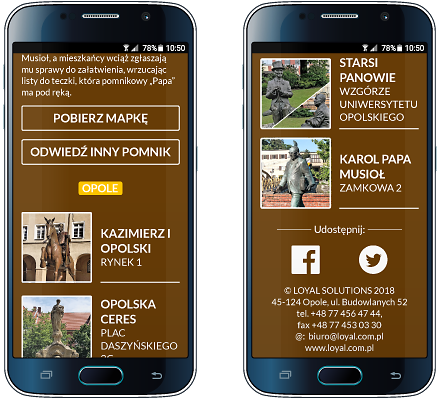
Other available options: brief information about the monument, author of the text and recording, list of other monuments in the city included in the "Discover History" project, downloadable map of monuments, video, and social media links
Would you like to implement the project in your city as well?
ContactView gallery
Monuments in cities remind us of the history of places and people, and allude to important events. They are also works of art. Bronze, metal, wood, or concrete transformed into the form of a monumental obelisk attract attention. We enjoy sitting by them, taking photos, and making appointments.
Project partners
Implementing the "Discover history" project in each city requires the involvement of many people: programmers, graphic designers, writers, actors, sound engineers, and coordinators. It is thanks to them that this project came to life.
Our ambition is to continually expand its reach. Therefore, we thank our current partners and invite additional cities, institutions, companies, and individuals to collaborate!

Visit Social media:
Share Social media: