Mury obronne

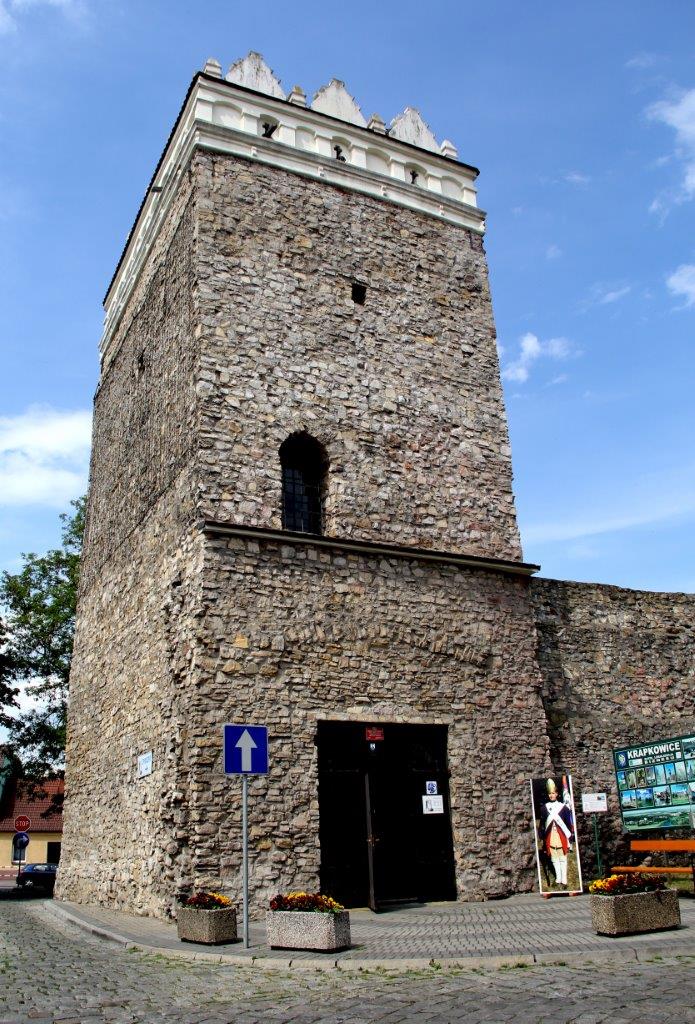
Codziennie w samo południe ze szczytu baszty niesie się hejnał znany każdemu mieszkańcowi miasta. Basztę zbudowano w II połowie XIV wieku, a przebudowano w XVI stuleciu. To najbardziej charakterystyczny zabytek Krapkowic. Baszta była częścią XIV wiecznych murów obronnych. 

Pierwsze wzmianki nt. budowy murów pochodzą z 1384 i 1418 roku. W ciągu wieków fortyfikacje te strzegły grodu, podobnie jak wartki nurt rzek Odry i Osobłogi. Nie ustrzegły jednak krapkowiczan od wszystkich nieszczęść. Nie pomogły choćby w roku 1428, kiedy husyci zdobyli i splądrowali miasto. Albo w 1722 roku, gdy strawił je wielki pożar. W XIX wieku mury zostały niemal całkowicie rozebrane, Baszta zachowała się jednak, a w 2007 roku otrzymała ogólnopolskie wyróżnienie „Zadbany zabytek Anno Domini 2007”. Wielowiekowy mur, choć zostały już tylko jego szczątki, wciąż jednak pobudza wyobraźnię. Po dziś dzień w Krapkowicach krążą legendy, że basztę i tutejszy zamek łączy ciąg podziemnych korytarzy. W odrestaurowanej z dbałością o najmniejszy szczegół budowli znajdują się dziś: galeria prac lokalnych artystów; taras widokowy, z którego przy dobrej pogodzie widać Górę św. Anny oraz punkt informacji turystycznej. A przed basztą jest infokiosk i makieta przedstawiająca Krapkowice z roku 1750 opisana także alfabetem Braille’a.
Mury obronne
Baszta obronna

Visit Social media:

Share Social media:

How it working

To listen to the history of monuments as part of the "Discover History" project, you need to follow a few simple steps. Below, we present a short, step-by-step "user manual" to provide a relatively simple way to access the mini-auditions.

STEP 1

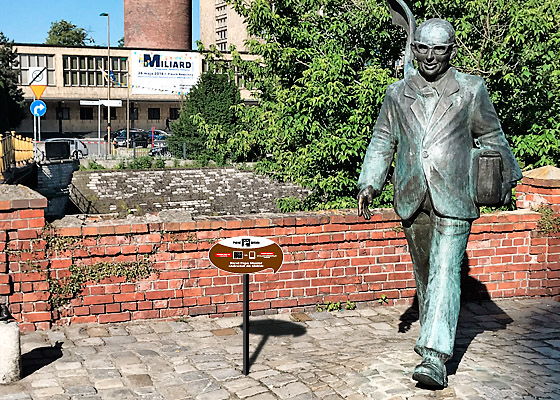
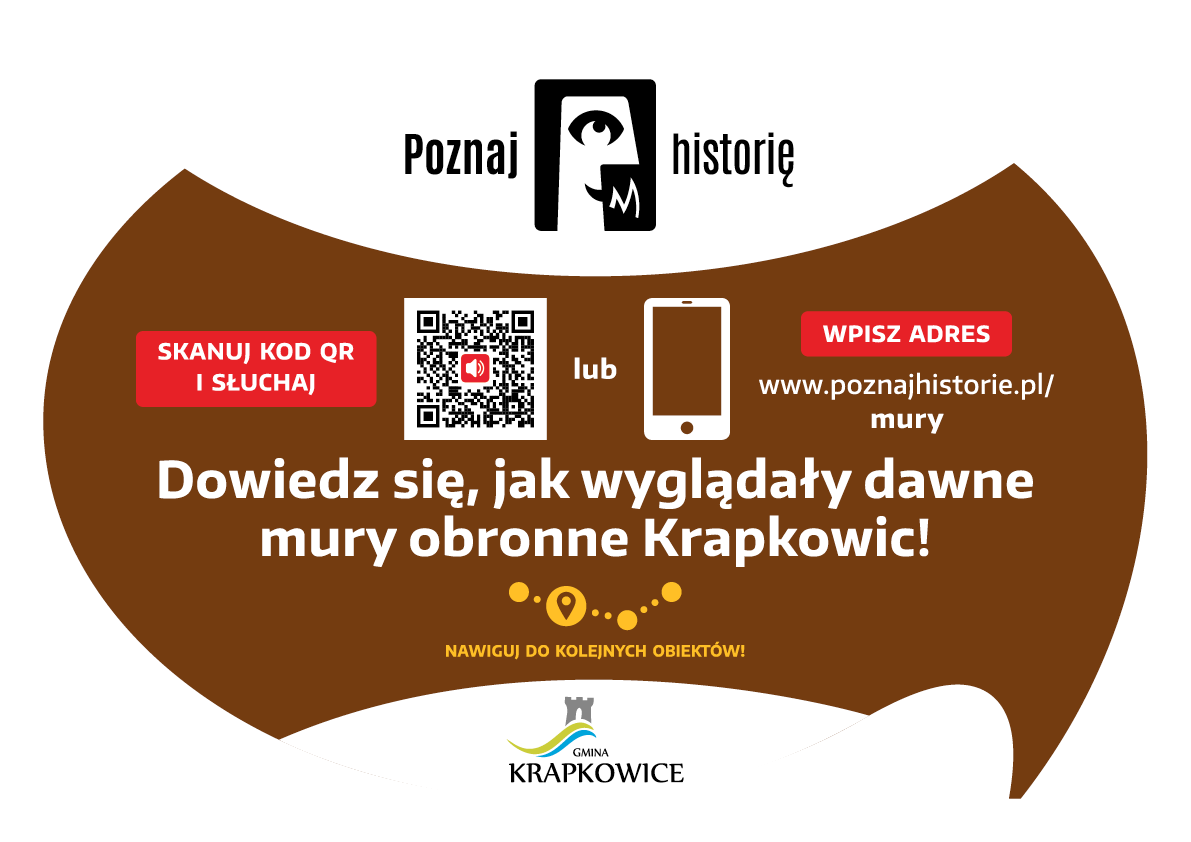
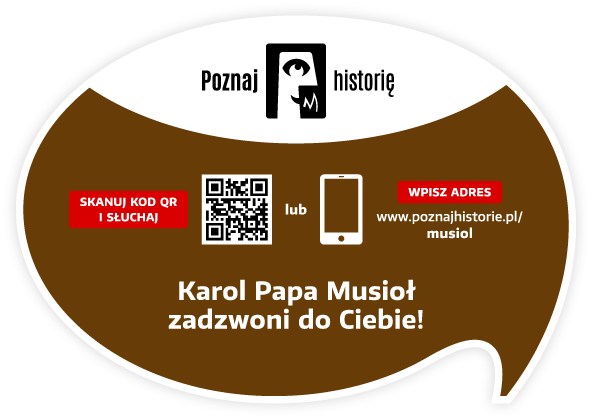
You need a smartphone with a camera. The camera lens should be pointed at the information plaque located next to the monument. Below is a view of the plaque itself and its example location next to the Karol Musioł monument in Opole.

STEP 2

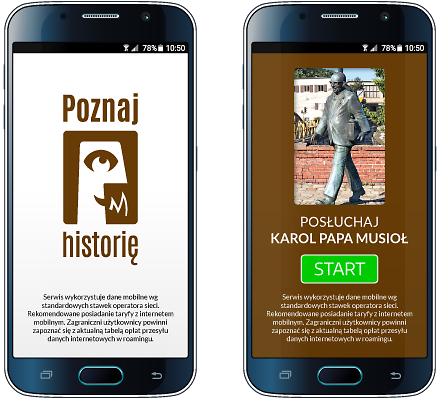
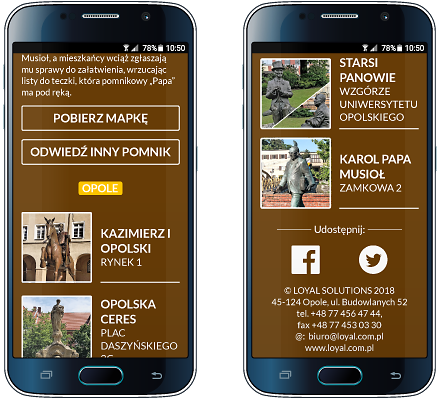
After pointing your smartphone's camera at the QR code located on the right side of the plaque, the app's welcome screen will appear, followed by a screen with the name, photo of the monument, and the "START" button.

STEP 3

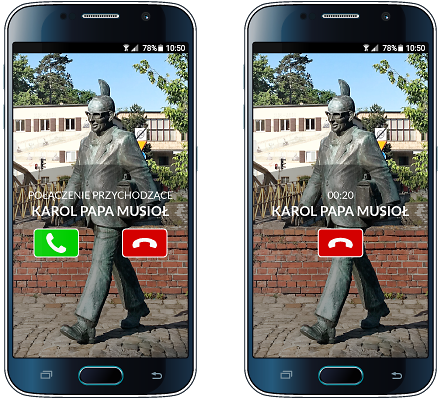
The "START" button starts the audio recording process.
Your smartphone will prompt you with the next steps after you listen to the story or pause it. Please keep an eye on your smartphone screen!

STEP 4

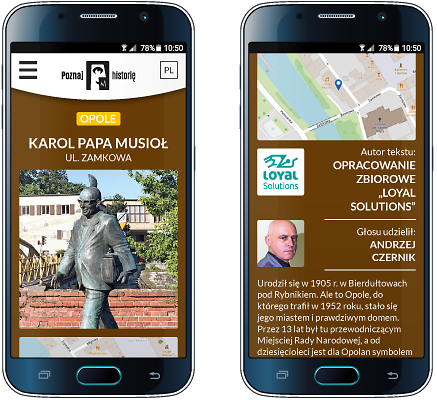
Other available options: brief information about the monument, author of the text and recording, list of other monuments in the city included in the "Discover History" project, downloadable map of monuments, video, and social media links


Would you like to implement the project in your city as well?

Contact

Project partners

Implementing the "Discover history" project in each city requires the involvement of many people: programmers, graphic designers, writers, actors, sound engineers, and coordinators. It is thanks to them that this project came to life.

Our ambition is to continually expand its reach. Therefore, we thank our current partners and invite additional cities, institutions, companies, and individuals to collaborate!


Would you like to become our Partner of the project or monument?

Contact

Contact

Are you interested in implementing the project in your city? Want to learn more? Want to learn more? Write to us, call us! We'll contact you and arrange a meeting. We'll prepare materials and a proposal for you.