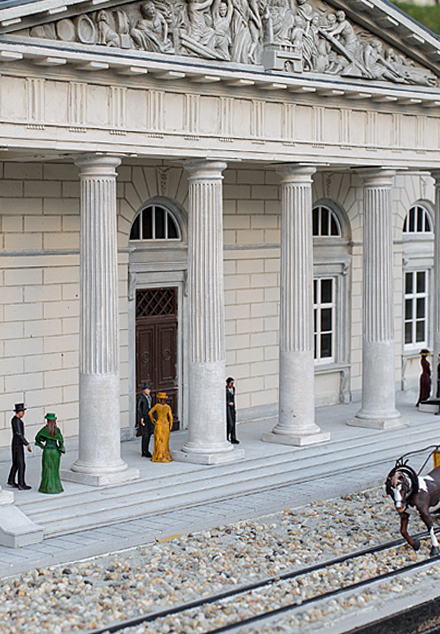
W 1877 roku, po przebudowie wykonanej według projektu Witolda Lanciego, znalazły tu swoją siedzibę nie tylko Giełda Warszawska, ale też Warszawskie Towarzystwo Wzajemnego Kredytu, kawiarnia giełdowa, a nawet salon meblowy.
Przebudowany w latach 1876-1877 na Warszawską Giełdę pawilon miał 75 metrów długości i 15 metrów szerokości. Nad wejściem, nad kolumnami, jest gipsowa rzeźba godła Warszawy, symbol handlu czyli Merkurego oraz alegorie przemysłu wydobywczego, rolnictwa i handlu rzecznego. Zaś nad oknami kaduceusze, czyli laski rzymskiego boga Merkurego. Mają formę prostego kija z dwoma oplatającymi go wężami, pochylającymi ku sobie łby, symbolizującymi mądrość i równowagę sił.
Na lewo od wejścia można zobaczyć szyld Warszawskiego Towarzystwa Wzajemnego Kredytu. Ta dodatkowa pisownia w języku rosyjskim, którą na pewno zauważyliście, wynikała z obwiązujących w Warszawie podczas zaboru rosyjskiego przepisów. Na prawo natomiast znajdowała się właśnie sala giełdowa. Miała 27 na 15 metrów powierzchni. Oświetlało ją osiem okien i lampy gazowe w metalowych rozetach, umieszczone pod sufitem. Pełniły one jednocześnie funkcję wentylatorów. Sala była też ogrzewana. Służyły temu cztery piece węglowe stojące w rogach.
Los Warszawskiej Giełdy był taki, jak wielu XIX-wiecznych budynków w stolicy. We wrześniu 1939 roku gmach został całkowicie wypalony przez niemieckie bomby zapalające. Z pięknego budynku pozostały nagie, miejscami zwalone mury. Jego resztki wysadzili w powietrze niemieccy saperzy po Powstaniu Warszawskim.
Giełda Warszawska
Hasło „na wielką forsę” dla warszawskich dorożkarzy było jasne jak słońce. Gdy ktoś taki kurs zamawiał wiadomo było, że skończy się on przy Warszawskiej Giełdzie.
How it working
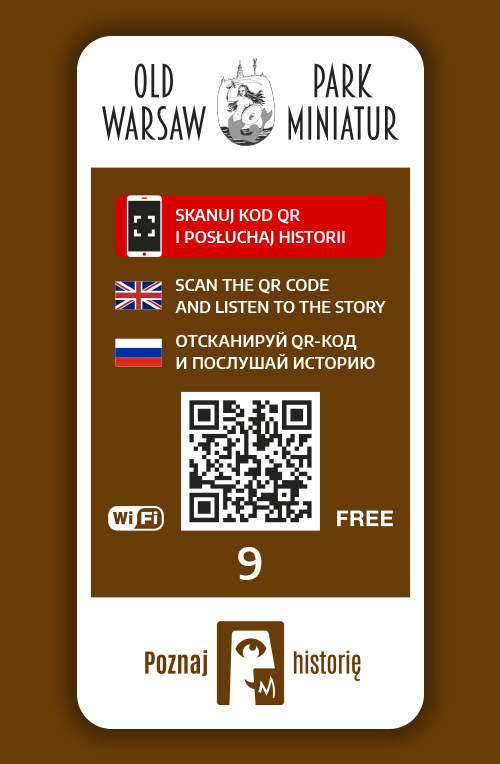
To listen to the history of monuments as part of the "Discover History" project, you need to follow a few simple steps. Below, we present a short, step-by-step "user manual" to provide a relatively simple way to access the mini-auditions.
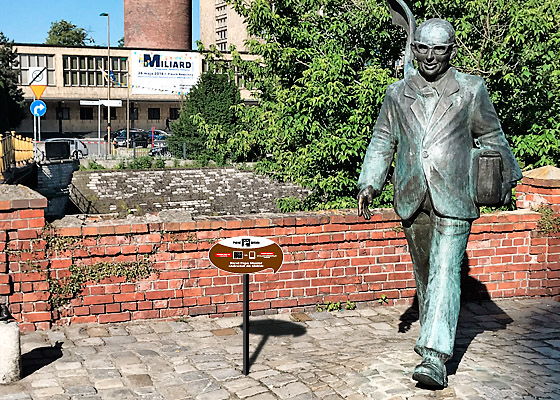
You need a smartphone with a camera. The camera lens should be pointed at the information plaque located next to the monument. Below is a view of the plaque itself and its example location next to the Karol Musioł monument in Opole.
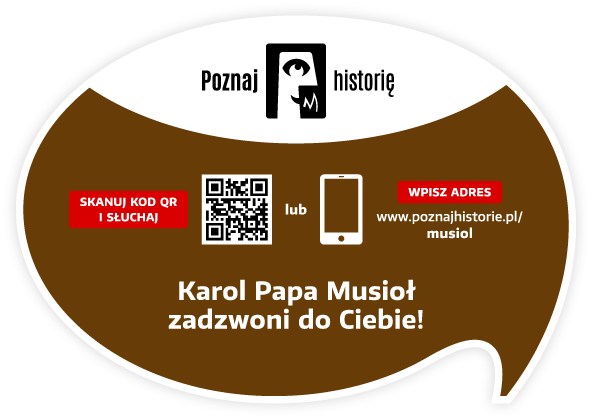
After pointing your smartphone's camera at the QR code located on the right side of the plaque, the app's welcome screen will appear, followed by a screen with the name, photo of the monument, and the "START" button.
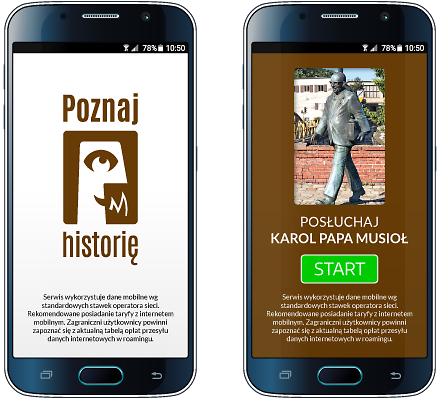
The "START" button starts the audio recording process.
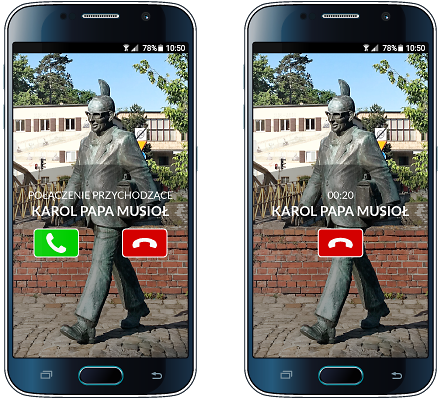
Your smartphone will prompt you with the next steps after you listen to the story or pause it. Please keep an eye on your smartphone screen!
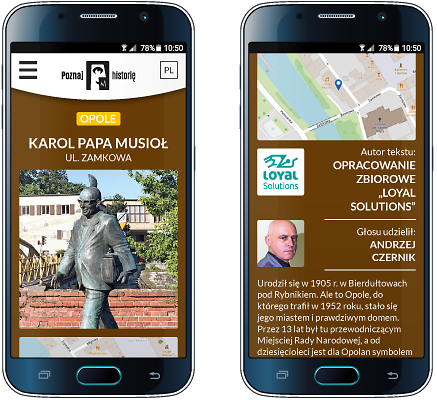
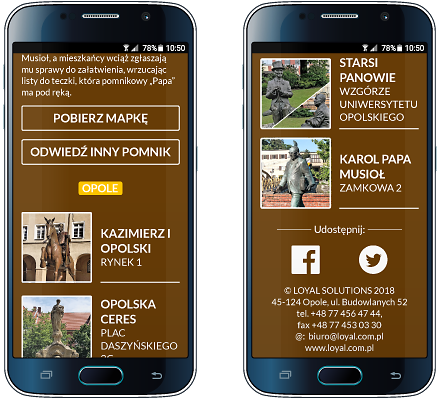
Other available options: brief information about the monument, author of the text and recording, list of other monuments in the city included in the "Discover History" project, downloadable map of monuments, video, and social media links
Would you like to implement the project in your city as well?
ContactView gallery
Monuments in cities remind us of the history of places and people, and allude to important events. They are also works of art. Bronze, metal, wood, or concrete transformed into the form of a monumental obelisk attract attention. We enjoy sitting by them, taking photos, and making appointments.
Project partners
Implementing the "Discover history" project in each city requires the involvement of many people: programmers, graphic designers, writers, actors, sound engineers, and coordinators. It is thanks to them that this project came to life.
Our ambition is to continually expand its reach. Therefore, we thank our current partners and invite additional cities, institutions, companies, and individuals to collaborate!

Would you like to become our Partner of the project or monument?
ContactContact
Are you interested in implementing the project in your city? Want to learn more? Want to learn more? Write to us, call us! We'll contact you and arrange a meeting. We'll prepare materials and a proposal for you.

QR Communication Sp. z o.o.
tel. +48 735 147 911
tel. +48 606 881 118
paulina.panusch@poznajhistorie.pl
kontakt@poznajhistorie.pl
Visit Social media:
Share Social media: