Chłopstwo: len i wełna

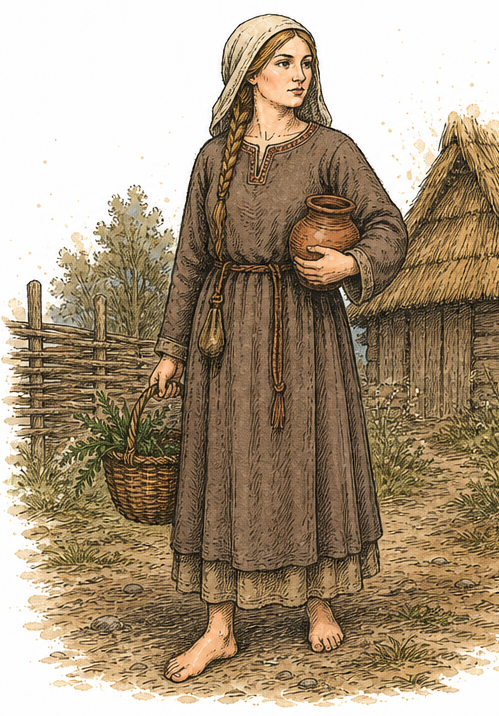
W X–XII wieku chłopi noszą głównie len i prostą wełnę. Ich tuniki są proste, funkcjonalne: krótkie u mężczyzn, długie u kobiet. Spodnie, zwane portkami są luźne, często podwiązane sznurem lub pasem. Barwy są stonowane, naturalne: głównie brązy i odcienie szarości. Nakrycia głowy: proste kaptury, czapki filcowe, chusty. Obuwie zarezerwowane jest dla najbogatszych gospodarzy lub na specjalne okazje. 

Przeciętny chłop tamtych czasów chodził głównie boso. Biżuteria jest wśród tej grupy rzadka. Jeśli już, to spotkać można szklane paciorki, brązowe zausznice.

Warto podkreślić, że typowy chłop tamtych czasów posiadał zazwyczaj nie więcej niż dwa komplety ubrań, a czasem nawet tylko jedną podstawową odzież, którą nosił przez cały rok. Takie ubrania były łatane i naprawiane wielokrotnie, aż do całkowitego zużycia. Nierzadko jeden komplet służył kilku pokoleniom!

W XIII i XIV wieku chłopski strój niewiele się zmienia w swej istocie. Nadal dominują len i wełna, barwy wciąż są stonowane. Ale czasem pojawiają się lepsze tkaniny, czasem mocniejsze kolory – dzięki lepszemu dostępowi do barwników. Tuniki są nadal proste, funkcjonalne, ale coraz staranniejsze. U kobiet suknie są dłuższe, z ozdobnymi obszyciami. Nakrycia głowy to głównie kaptury, czapki filcowe, chusty. Coraz częściej pojawia się też obuwie.
Chłopstwo: len i wełna
Chłopstwo: len, wełna i naturalne barwy

Visit Social media:

Share Social media:

How it working

To listen to the history of monuments as part of the "Discover History" project, you need to follow a few simple steps. Below, we present a short, step-by-step "user manual" to provide a relatively simple way to access the mini-auditions.

STEP 1

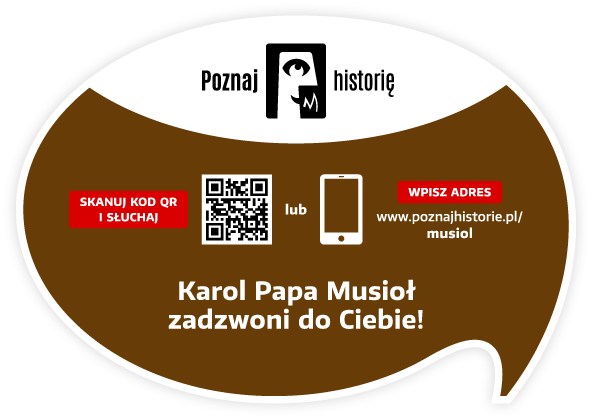
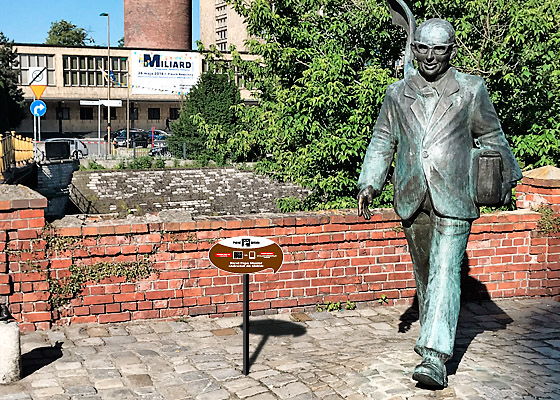
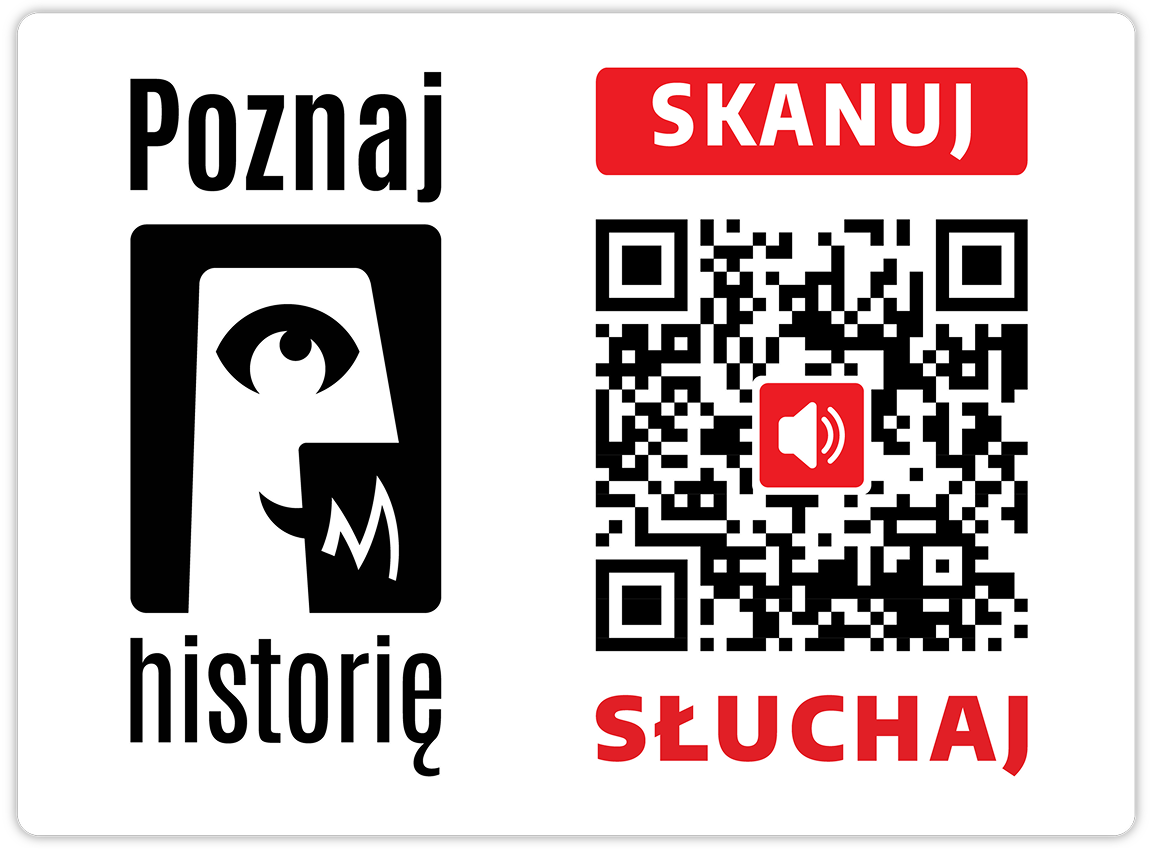
You need a smartphone with a camera. The camera lens should be pointed at the information plaque located next to the monument. Below is a view of the plaque itself and its example location next to the Karol Musioł monument in Opole.

STEP 2

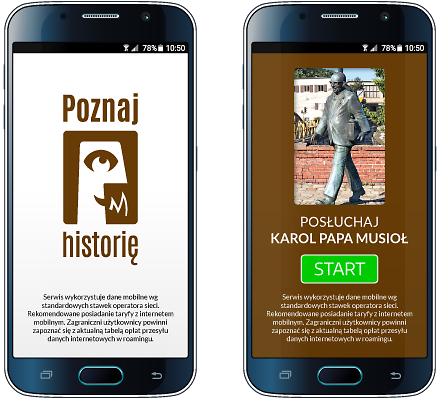
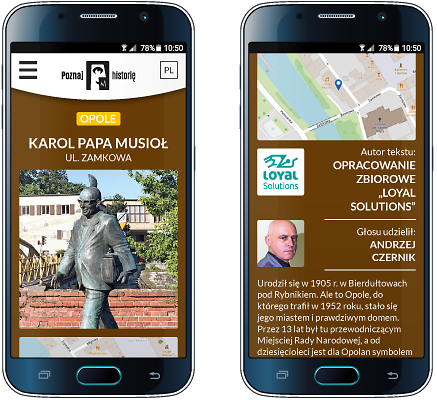
After pointing your smartphone's camera at the QR code located on the right side of the plaque, the app's welcome screen will appear, followed by a screen with the name, photo of the monument, and the "START" button.

STEP 3

The "START" button starts the audio recording process.
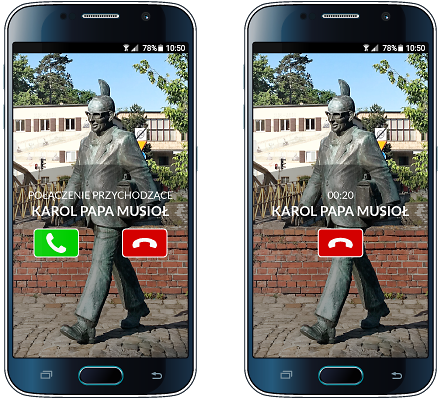
Your smartphone will prompt you with the next steps after you listen to the story or pause it. Please keep an eye on your smartphone screen!

STEP 4

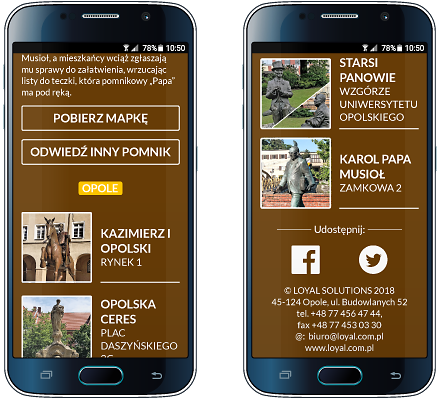
Other available options: brief information about the monument, author of the text and recording, list of other monuments in the city included in the "Discover History" project, downloadable map of monuments, video, and social media links


Would you like to implement the project in your city as well?

Contact

Project partners

Implementing the "Discover history" project in each city requires the involvement of many people: programmers, graphic designers, writers, actors, sound engineers, and coordinators. It is thanks to them that this project came to life.

Our ambition is to continually expand its reach. Therefore, we thank our current partners and invite additional cities, institutions, companies, and individuals to collaborate!


Would you like to become our Partner of the project or monument?

Contact

Contact

Are you interested in implementing the project in your city? Want to learn more? Want to learn more? Write to us, call us! We'll contact you and arrange a meeting. We'll prepare materials and a proposal for you.