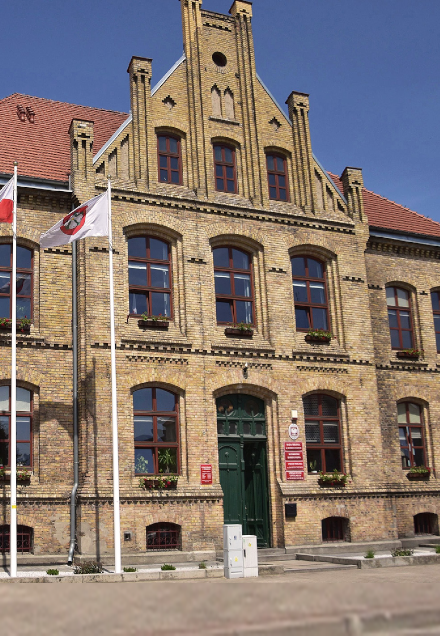
City Hall

Welcome to Lubuskie Masuria! There are around 800 smaller and larger lakes surrounded by greenery around. Our commune covers an area of over 35,000 hectares, of which approximately 65% is covered by forests and approximately 30% by fields. Nearby, there is a real pearl of nature - the Drawieński National Park.

Perhaps it is because of this lush tree stand that the first settlement, dating back to the 13th century, was called Dubbegnek or Dubegnewe, which may mean the same as "New Oak". A century later, its name was changed to Woldenberg, from the name of Waldemar the Great, the owner of these lands.


The city changed these very often. Pomeranians, Branderburians, Teutonic Knights, then the German and Polish state. Regardless of the governments, however, its people worked primarily in agriculture. When it comes to crafts, Dobiegniew became cloth-making. Trade also flourished. All because the city was situated on an important trade route Szczecin - Drezdenko - Poznań and on the road to Kostrzyn.

Dobiegniew was also home to a large Jewish community. Its first representatives came here in the 16th century. In 1897, 4,667 people lived in Woldenberg at that time, of whom only 65 were Catholics and 131 professed the Mosaic religion. The 20th century tragically ended their history in these lands. Many fled, others died at the hands of the Nazis. The beautiful 19th-century synagogue was devastated. After the war, it was turned into a railway warehouse, which is still standing today. Another trace of this community are the remains of the cemetery, where you can see fragments of matzevot with inscriptions in Hebrew.

When talking about the recent history of Dobiegniew, it is impossible to ignore the fate of the "Woldenbergers". This was the name of Polish officers who were prisoners of camp II C Woldenberg. The Nazis set it up only a kilometer from the city center. Nearly 7,000 people were confined here.

City Hall
City Hall

Visit Social media:

Share Social media:

How it working

To listen to the history of monuments as part of the "Discover History" project, you need to follow a few simple steps. Below, we present a short, step-by-step "user manual" to provide a relatively simple way to access the mini-auditions.

STEP 1

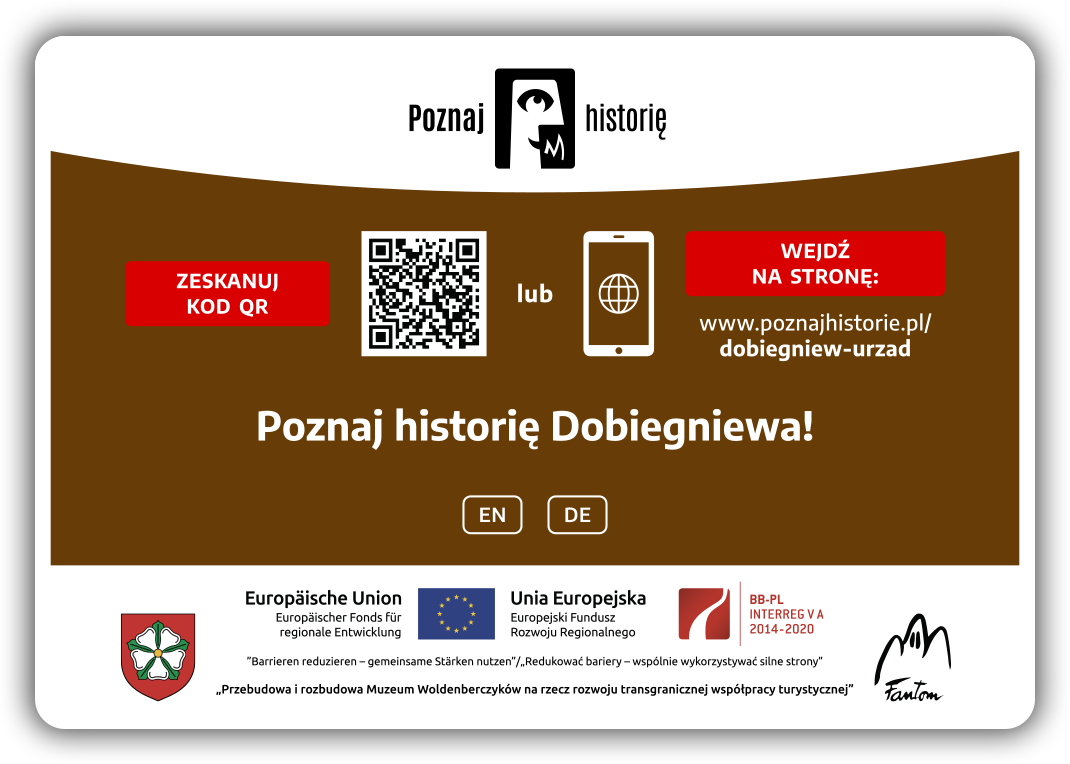
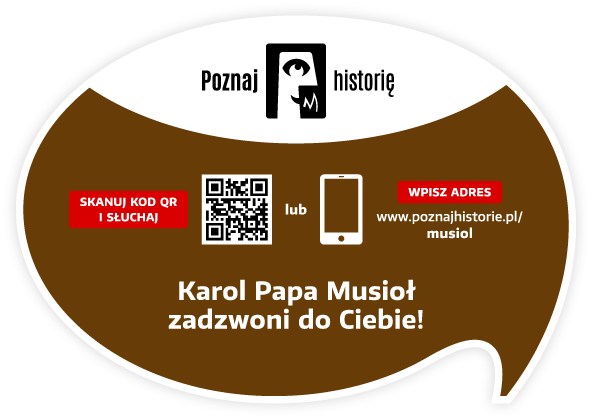
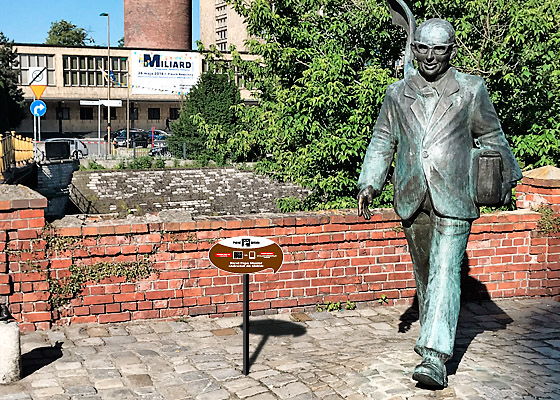
You need a smartphone with a camera. The camera lens should be pointed at the information plaque located next to the monument. Below is a view of the plaque itself and its example location next to the Karol Musioł monument in Opole.

STEP 2

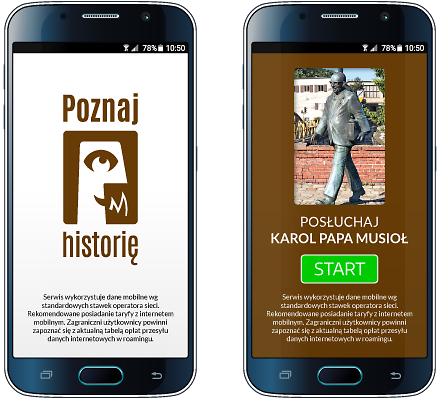
After pointing your smartphone's camera at the QR code located on the right side of the plaque, the app's welcome screen will appear, followed by a screen with the name, photo of the monument, and the "START" button.

STEP 3

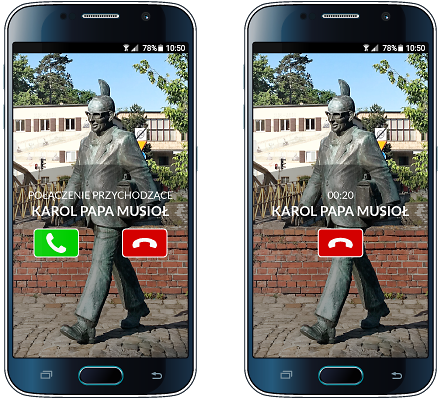
The "START" button starts the audio recording process.
Your smartphone will prompt you with the next steps after you listen to the story or pause it. Please keep an eye on your smartphone screen!

STEP 4

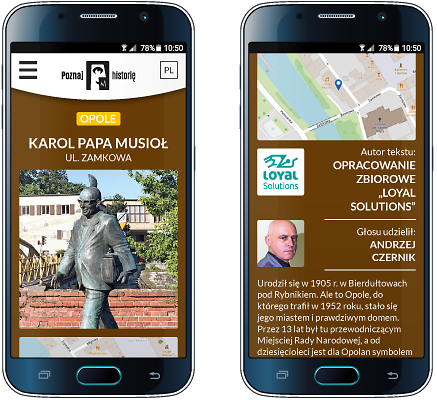
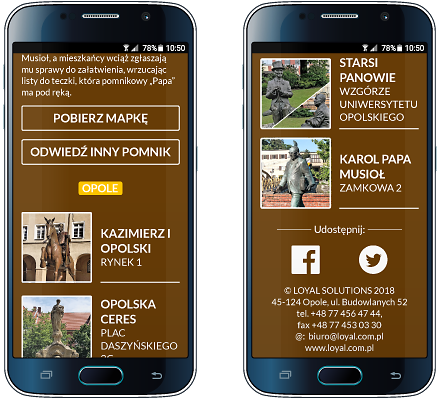
Other available options: brief information about the monument, author of the text and recording, list of other monuments in the city included in the "Discover History" project, downloadable map of monuments, video, and social media links


Would you like to implement the project in your city as well?

Contact

Project partners

Implementing the "Discover history" project in each city requires the involvement of many people: programmers, graphic designers, writers, actors, sound engineers, and coordinators. It is thanks to them that this project came to life.

Our ambition is to continually expand its reach. Therefore, we thank our current partners and invite additional cities, institutions, companies, and individuals to collaborate!


Would you like to become our Partner of the project or monument?

Contact

Contact

Are you interested in implementing the project in your city? Want to learn more? Want to learn more? Write to us, call us! We'll contact you and arrange a meeting. We'll prepare materials and a proposal for you.