Beatrycze

Najlepszy łucznik nie powstydziłby się strzału, który miał dać początek miastu Strzelin. Według legendy cięciwę łuku napięła i ową strzałę wystrzeliła w niebo księżna Beatrycze, żona Bolka I Surowego, który nadał Strzelinowi prawa miejskie. Księżna Pani stała wówczas na Wzgórzu Parkowym, a tam, gdzie wbił się grot strzały, książe kazał wybudować ratusz.


Kolejna z legend też głosi, że istniejąca tu pierwotnie osada rozwijała się wokół klasztoru. Jego pierwsza przełożona miała wyprosić u księcia założenie tu miasta, którego granice miały sięgać tak daleko, jak daleko doleci wystrzelona przez nią strzała. Historycy stanowczo twierdzą jednak, że klasztor powstał dopiero w 1295 roku, już po nadaniu Strzelinowi praw miejskich w 1292 roku.


Tak to już z jest z legendami: dobrze się ich słucha, ale trzeba do nich podchodzić z rozwagą. Faktem jest natomiast, że Strzelin swoją nazwę zawdzięcza dawnym mieszkańcom, którzy słynęli przed wiekami z wytwarzania łuków. Strzałę miasto ma nawet w herbie – prawa strona herbowego pola jest żółta, a w nim – w literę S nawiązującą do nazwy – wpleciona jest srebrna strzała z grotem skierowanym ku górze.
Faktem historycznym jest również to, że żoną Bolka I Surowego, który nadał Strzelinowi prawa miejskie, była księżna Beatrycze Ballenstedt Askańska - córka margrabiego brandenburskiego i regenta Czech Ottona V „Długiego” oraz Judyty von Henneberg.


Beatrycze urodziła się w 1270 roku. Żoną Bolka I – księcia świdnickiego, jaworskiego i lwóweckiego, pana Ząbkowic, Strzelina i Ziębic, a potem także opiekuna księstw wrocławskiego i legnickiego – została 4 października 1284 roku w Berlinie. Ich zaręczyny odbyły się już 5 lat wcześniej. Tym samym przypieczętowany został strategiczny sojusz księcia z margrabiami brandenburskimi. Władca zbroił się w ten sposób przed rosnącą potęgą księcia wrocławskiego Henryka IV Probusa.
Beatrycze
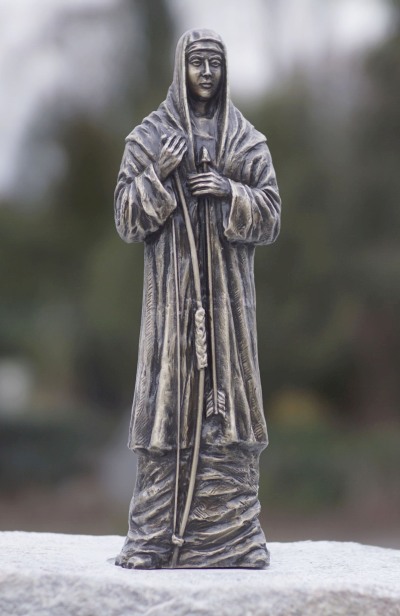
Pomnik księżnej Beatrycze

Visit Social media:

Share Social media:

How it working

To listen to the history of monuments as part of the "Discover History" project, you need to follow a few simple steps. Below, we present a short, step-by-step "user manual" to provide a relatively simple way to access the mini-auditions.

STEP 1

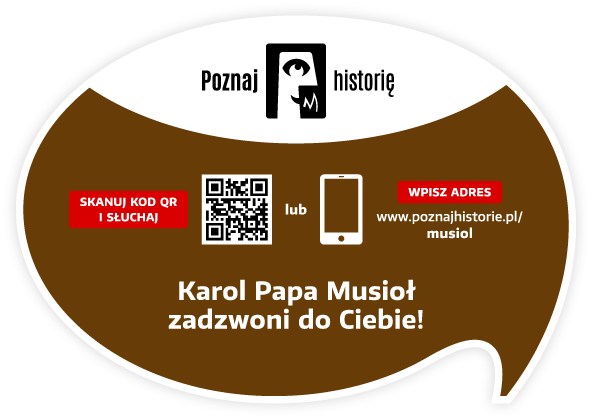
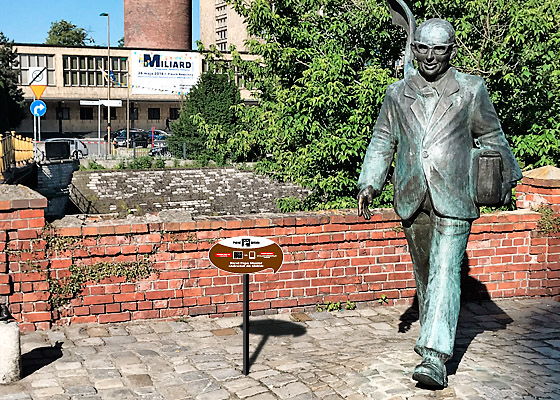
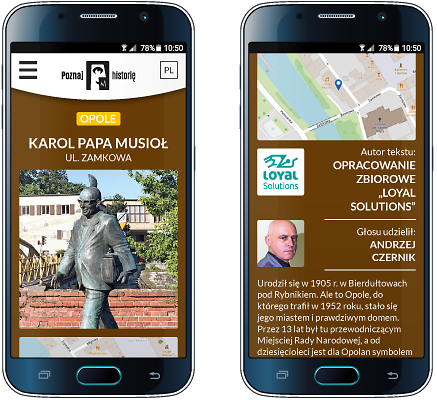
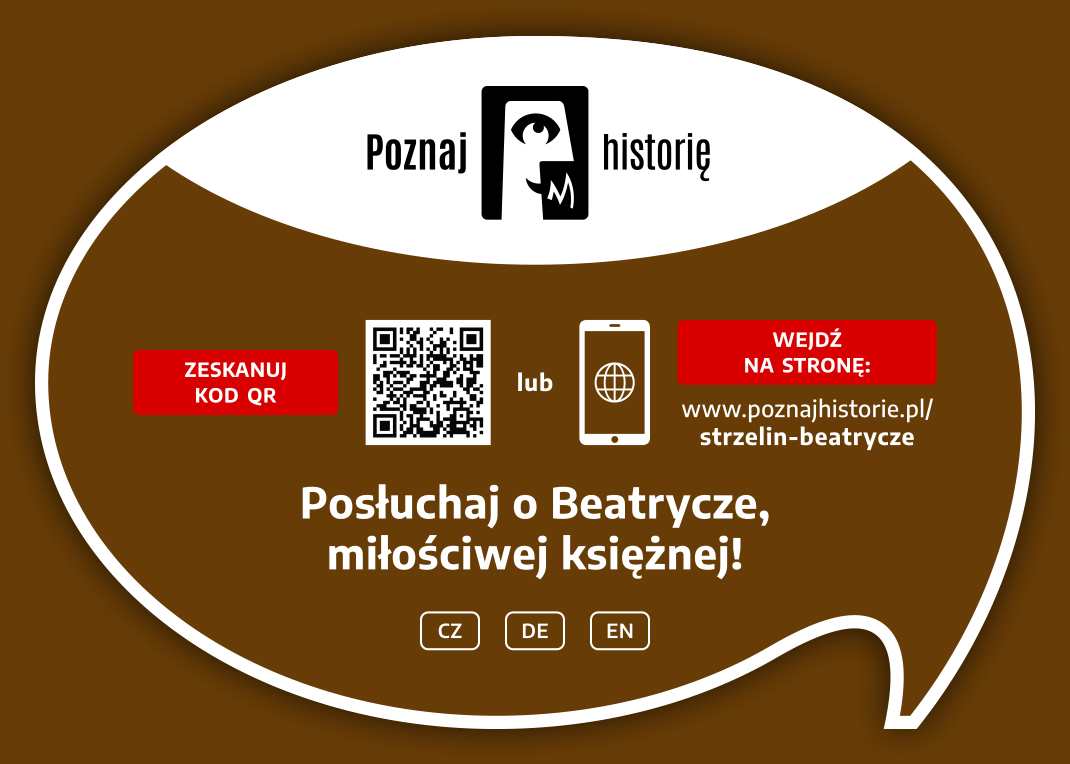
You need a smartphone with a camera. The camera lens should be pointed at the information plaque located next to the monument. Below is a view of the plaque itself and its example location next to the Karol Musioł monument in Opole.

STEP 2

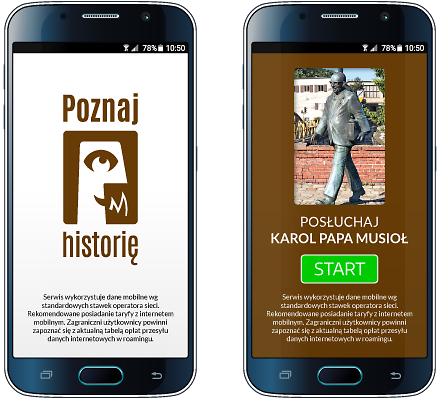
After pointing your smartphone's camera at the QR code located on the right side of the plaque, the app's welcome screen will appear, followed by a screen with the name, photo of the monument, and the "START" button.

STEP 3

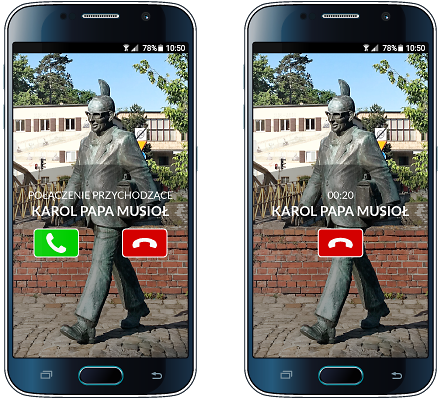
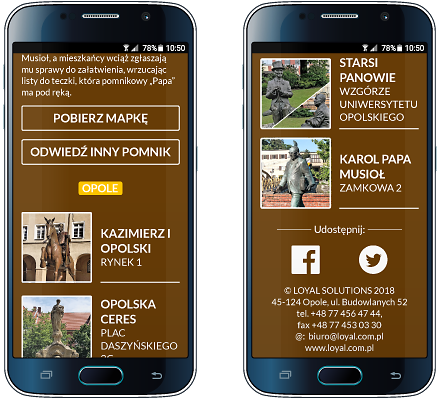
The "START" button starts the audio recording process.
Your smartphone will prompt you with the next steps after you listen to the story or pause it. Please keep an eye on your smartphone screen!

STEP 4

Other available options: brief information about the monument, author of the text and recording, list of other monuments in the city included in the "Discover History" project, downloadable map of monuments, video, and social media links


Would you like to implement the project in your city as well?

Contact

Project partners

Implementing the "Discover history" project in each city requires the involvement of many people: programmers, graphic designers, writers, actors, sound engineers, and coordinators. It is thanks to them that this project came to life.

Our ambition is to continually expand its reach. Therefore, we thank our current partners and invite additional cities, institutions, companies, and individuals to collaborate!


Would you like to become our Partner of the project or monument?

Contact

Contact

Are you interested in implementing the project in your city? Want to learn more? Want to learn more? Write to us, call us! We'll contact you and arrange a meeting. We'll prepare materials and a proposal for you.