Wiatrak Holenderski

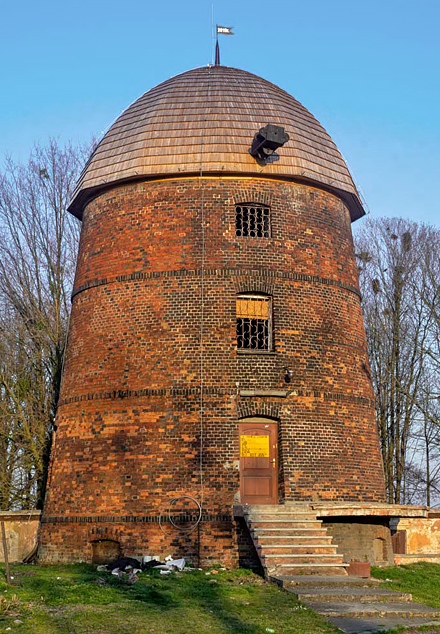
Czy w Grodkowie można poczuć się jak w Niderlandach? Jak najbardziej! Wystarczy wybrać się na spacer do popularnego wśród mieszkańców parku zwanego Cegielnią. Na jego terenie stoi bowiem najprawdziwszy wiatrak typu Holenderskiego.

Został on wzniesiony w XIX wieku, jednak nie znamy imienia młynarza, który z niego korzystał. W przeszłości znajdował się w sąsiedztwie zlikwidowanej w latach 70. XX wieku cegielni.

„Holendry” stały się popularne w całej europie już w XVI wieku. Do Polski zawitały później, bo w wieku XVIII. Szczególnie sporo powstało ich w Polsce zachodniej. W pozostałej części kraju nigdy nie udało im się wyprzeć „Koźlaków”, czyli wiatraków prymitywniejszych, pochodzących jeszcze ze średniowiecza. W XVIII wieku holendry zaczęły pojawiać się także na Śląsku, w którego krajobraz wpisały się trwale do dziś. Niestety w zdecydowanej większości - a w przypadku terenów okolic Brzegu i Oławy wszystkie - są one w stanie ruiny.

Ten grodkowski jest wyjątkiem. Należy do nielicznych tego typu zachowanych przykładów budownictwa przemysłowego na Śląsku Opolskim. Wiatrak swoją pierwotną funkcję pełnił aż do 1939 roku. W latach 60. ubiegłego wieku zaadaptowano go do celów gastronomicznych. Mieściła się tutaj popularna klubo-kawiarnia. Z tego właśnie okresu pochodzi dobudówka mieszcząca pomieszczenia magazynowe. Ostatni remont przeprowadzono w latach 80-tych.

W wiatraku zachowały się elementy historycznego wyposażenia: wał skrzydłowy, koło paleczne o konstrukcji proministo-szprychowej oraz koło trybowe. Pierwotnie posiadał skrzydła zapierzane z jednej strony płachtami, z drugiej – metalowymi żaluzjami.
Wiatrak Holenderski
Zabytkowy wiatrak typu holenderskiego w Grodkowie

Visit Social media:

Share Social media:

How it working

To listen to the history of monuments as part of the "Discover History" project, you need to follow a few simple steps. Below, we present a short, step-by-step "user manual" to provide a relatively simple way to access the mini-auditions.

STEP 1

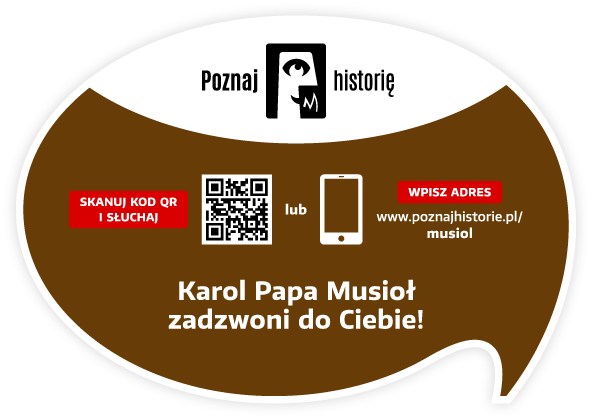
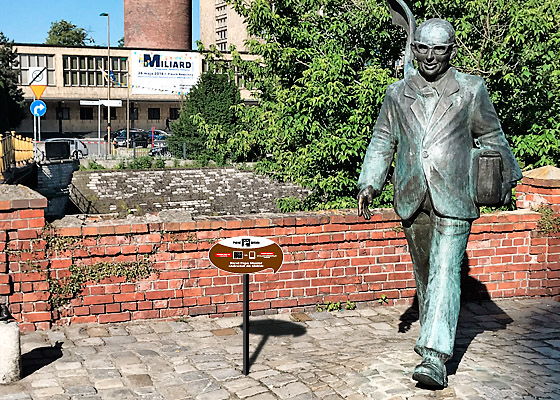
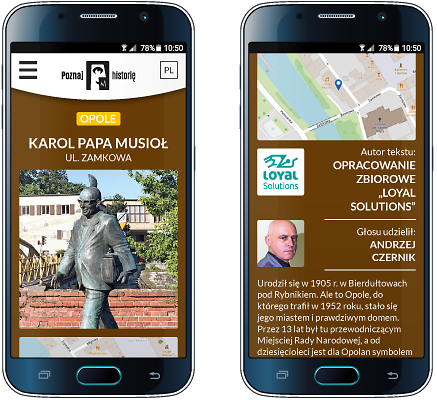
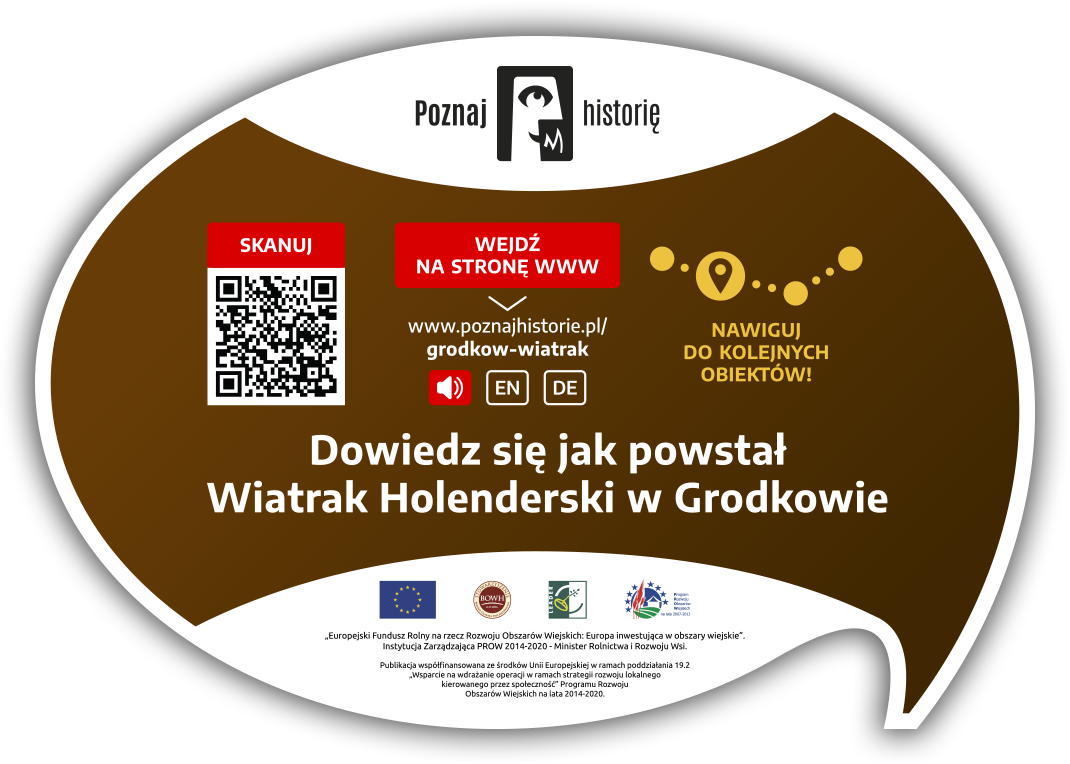
You need a smartphone with a camera. The camera lens should be pointed at the information plaque located next to the monument. Below is a view of the plaque itself and its example location next to the Karol Musioł monument in Opole.

STEP 2

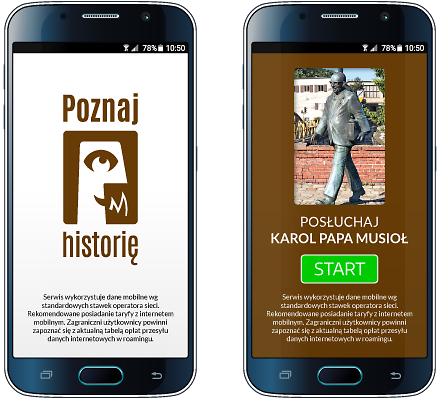
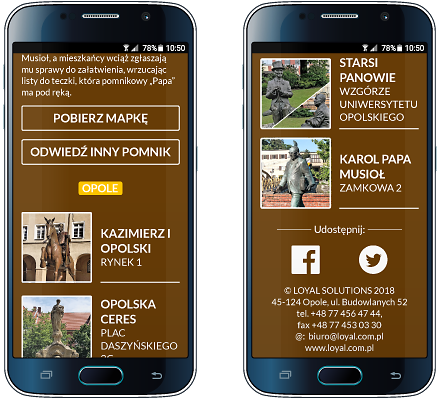
After pointing your smartphone's camera at the QR code located on the right side of the plaque, the app's welcome screen will appear, followed by a screen with the name, photo of the monument, and the "START" button.

STEP 3

The "START" button starts the audio recording process.
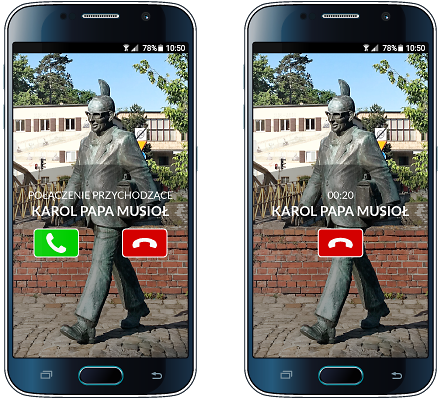
Your smartphone will prompt you with the next steps after you listen to the story or pause it. Please keep an eye on your smartphone screen!

STEP 4

Other available options: brief information about the monument, author of the text and recording, list of other monuments in the city included in the "Discover History" project, downloadable map of monuments, video, and social media links


Would you like to implement the project in your city as well?

Contact

Project partners

Implementing the "Discover history" project in each city requires the involvement of many people: programmers, graphic designers, writers, actors, sound engineers, and coordinators. It is thanks to them that this project came to life.

Our ambition is to continually expand its reach. Therefore, we thank our current partners and invite additional cities, institutions, companies, and individuals to collaborate!


Would you like to become our Partner of the project or monument?

Contact

Contact

Are you interested in implementing the project in your city? Want to learn more? Want to learn more? Write to us, call us! We'll contact you and arrange a meeting. We'll prepare materials and a proposal for you.