Skąd się bierze woda w kranie?

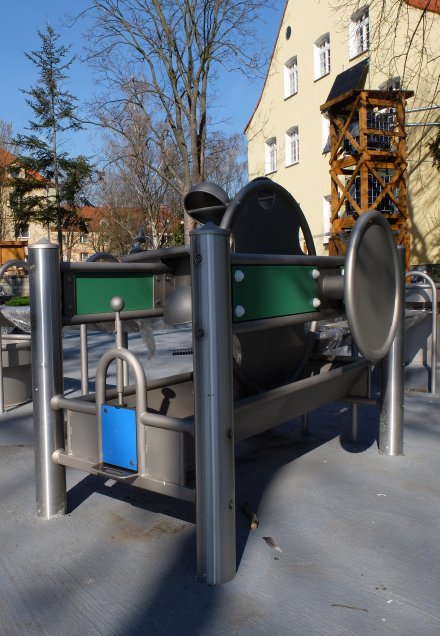
Na placu przy Regionalnym Zespołem Placówek Wsparcia Edukacji w Opolu można dowiedzieć się, jak oszczędzać wodę oraz na własne oczy zobaczyć działanie wielu mechanizmów wodnych. Jednym z nich jest śruba Archimedesa.

Nazwa jest jednak myląca, gdyż wcale nie wymyślił go ten grecki matematyk. Tak naprawdę jest to wynalazek babiloński. Śruba Archimedesa służyła rolnikom. Dzięki niej nawadniano kanały przy polach uprawnych co było szczególnie ważne podczas suszy. Podobnie było z innym urządzeniem, którego replikę można tu zobaczyć - perskim kołem. Koło obracały zwierzęta, a kubły zamocowane obok zanurzały się w wodzie. Po wzniesieniu do góry, wlewały ją do kanału prowadzącego na pole.

A skąd woda bierze się naszych domach?

Najczęściej pochodzi ona z ujęć głębinowych. Zanim woda trafi jednak do twojego domu, przechodzi jeszcze wiele skomplikowanych procesów. Najważniejszym jest uzdatnianie. To wieloetapowy proces oczyszczania i filtracji. Najpierw usuwa się z wody piasek i inne drobinki. Potem usuwa się z niej to, czego nie widać już bez mikroskopu, czyli bakterie i pozostałe drobnoustroje. Następnie jakość wody sprawdzają pracownicy laboratorium oraz sanepid.

Woda trafia następnie do rurociągu. Potężne pompy pompują ją kilometrami do tysięcy domów.
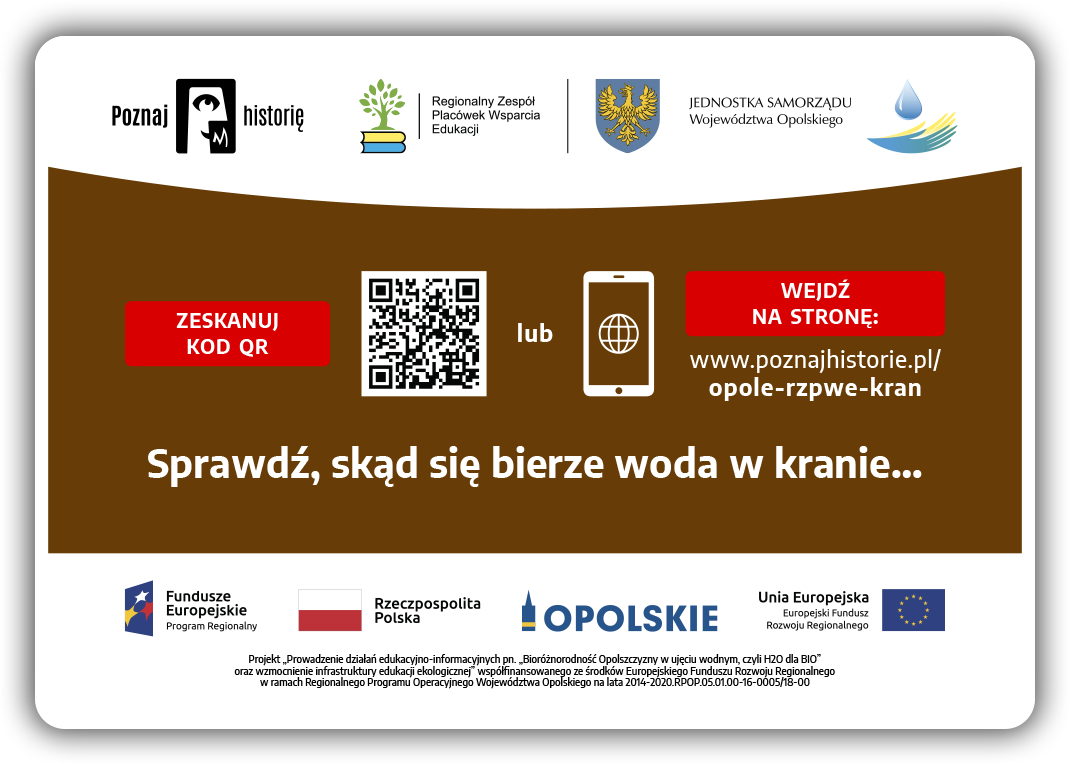
Skąd się bierze woda w kranie?
Plac z wodnymi maszynami przed Regionalnym Zespołem Placówek Wsparcia Edukacji w Opolu

Visit Social media:

Share Social media:

How it working

To listen to the history of monuments as part of the "Discover History" project, you need to follow a few simple steps. Below, we present a short, step-by-step "user manual" to provide a relatively simple way to access the mini-auditions.

STEP 1

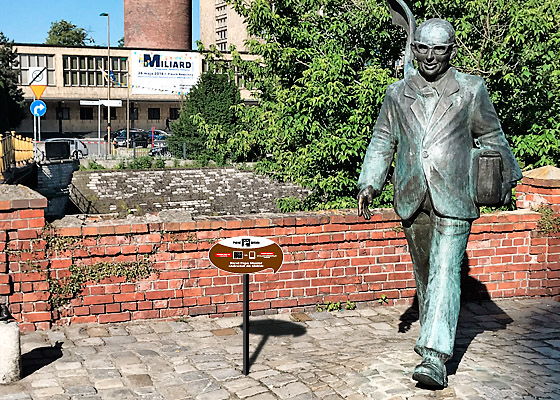
You need a smartphone with a camera. The camera lens should be pointed at the information plaque located next to the monument. Below is a view of the plaque itself and its example location next to the Karol Musioł monument in Opole.

STEP 2

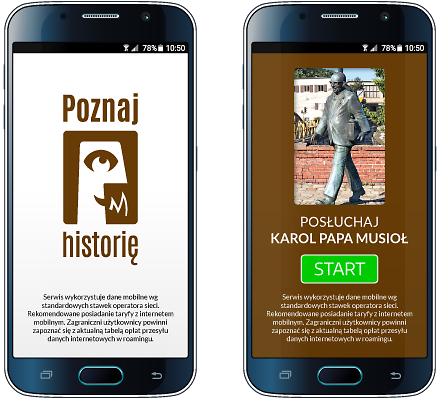
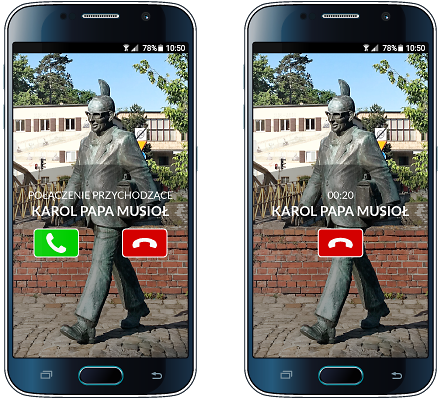
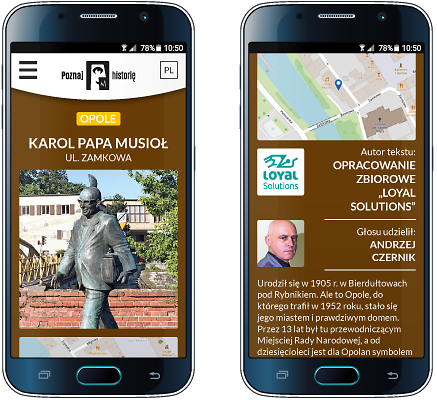
After pointing your smartphone's camera at the QR code located on the right side of the plaque, the app's welcome screen will appear, followed by a screen with the name, photo of the monument, and the "START" button.

STEP 3

The "START" button starts the audio recording process.
Your smartphone will prompt you with the next steps after you listen to the story or pause it. Please keep an eye on your smartphone screen!

STEP 4

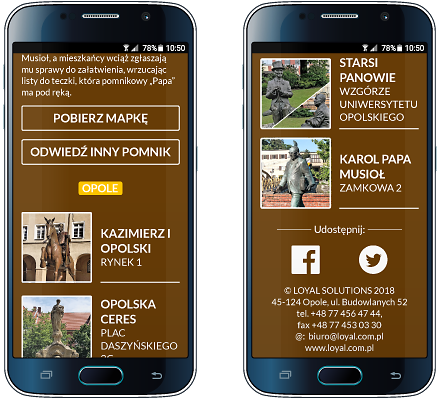
Other available options: brief information about the monument, author of the text and recording, list of other monuments in the city included in the "Discover History" project, downloadable map of monuments, video, and social media links


Would you like to implement the project in your city as well?

Contact

Project partners

Implementing the "Discover history" project in each city requires the involvement of many people: programmers, graphic designers, writers, actors, sound engineers, and coordinators. It is thanks to them that this project came to life.

Our ambition is to continually expand its reach. Therefore, we thank our current partners and invite additional cities, institutions, companies, and individuals to collaborate!


Would you like to become our Partner of the project or monument?

Contact

Contact

Are you interested in implementing the project in your city? Want to learn more? Want to learn more? Write to us, call us! We'll contact you and arrange a meeting. We'll prepare materials and a proposal for you.