Paul Ehrlich

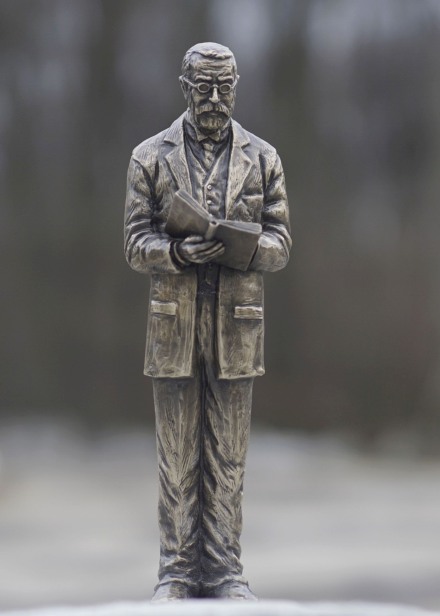
Kiedy w Szwecji Komitet Noblowski ogłaszał, że urodzony w Strzelinie Paul Ehrlich został laureatem Nagrody Nobla, noblisty dawno już w naszym mieście nie było. Ale aż do dzisiaj jest on bez wątpienia jednym z najsłynniejszych jego mieszkańców. Nic więc dziwnego, że doczekał się tu swojego pomnika oraz upamiętnienia w strzelińskiej Izbie Muzealnej.

Paul Ehrlich urodził się 14 marca 1854 roku w Strzelinie w zamożnej i poważanej rodzinie żydowskiej. Był drugim z pięciorga dzieci Ismara i Rosy Ehrlichów. Jego ojciec był agentem loteryjnym i producentem napojów alkoholowych, dziadek ze strony ojca – dzierżawcą, handlarzem zboża i destylatorem, a dziadek ze strony matki – Abraham Weigert – sukiennikiem i destylatorem. Dom rodzinny przyszłego Noblisty mieścił się w strzelińskim Rynku pod numerem 28 – po zachodniej jego stronie, przy skrzyżowaniu z obecną ulicą Zamkową.


W historii nauki zapisał się nie tylko jako zdobywca Nagrody Nobla, ale też jako twórca salwarsanu – pierwszego skutecznego lekarstwa przeciwko kile, nim wynaleziono antybiotyki. Opracował go z japońskim bakteriologiem Sahachiro Hata. Ehrlich uważany jest też za twórcę podstaw hematologii i chemioterapii. Rozwinął również technikę wykrywania prątków gruźlicy odkrytych przez innego znakomitego naukowca Roberta Kocha.


Mimo ogromnych sukcesów na polu naukowym pozostał skromnym człowiekiem. Podobno był roztargnionym bałaganiarzem, a jego największą słabością były cygara. I pewnie w dużej mierze to one przyczyniły się do jego przedwczesnej śmierci. Paul Ehrlich zmarł 20 sierpnia 1915 roku na zawał. Spoczął na cmentarzu żydowskim we Frankfurcie.
Paul Ehrlich
Paul Ehrlich

Visit Social media:

Share Social media:

How it working

To listen to the history of monuments as part of the "Discover History" project, you need to follow a few simple steps. Below, we present a short, step-by-step "user manual" to provide a relatively simple way to access the mini-auditions.

STEP 1

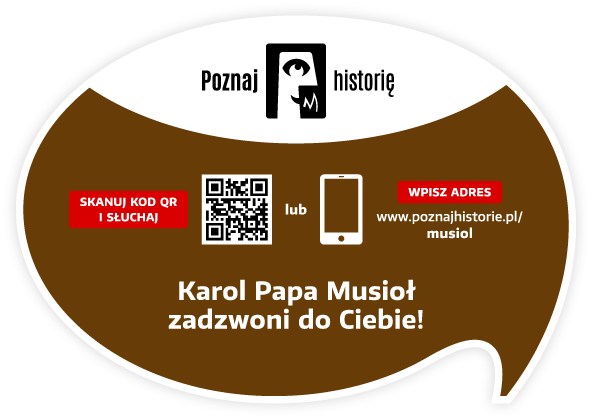
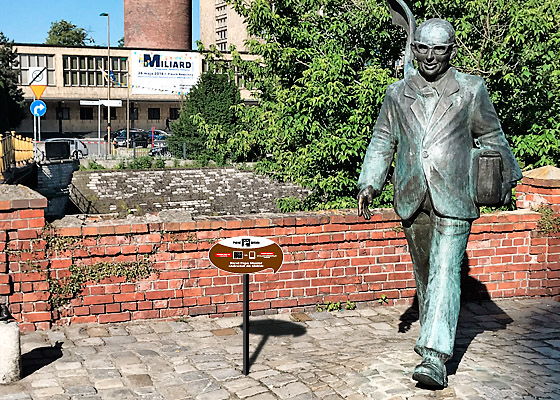
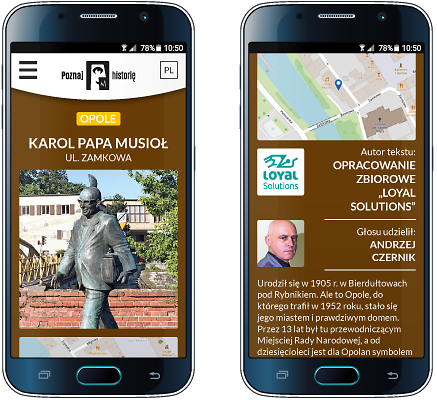
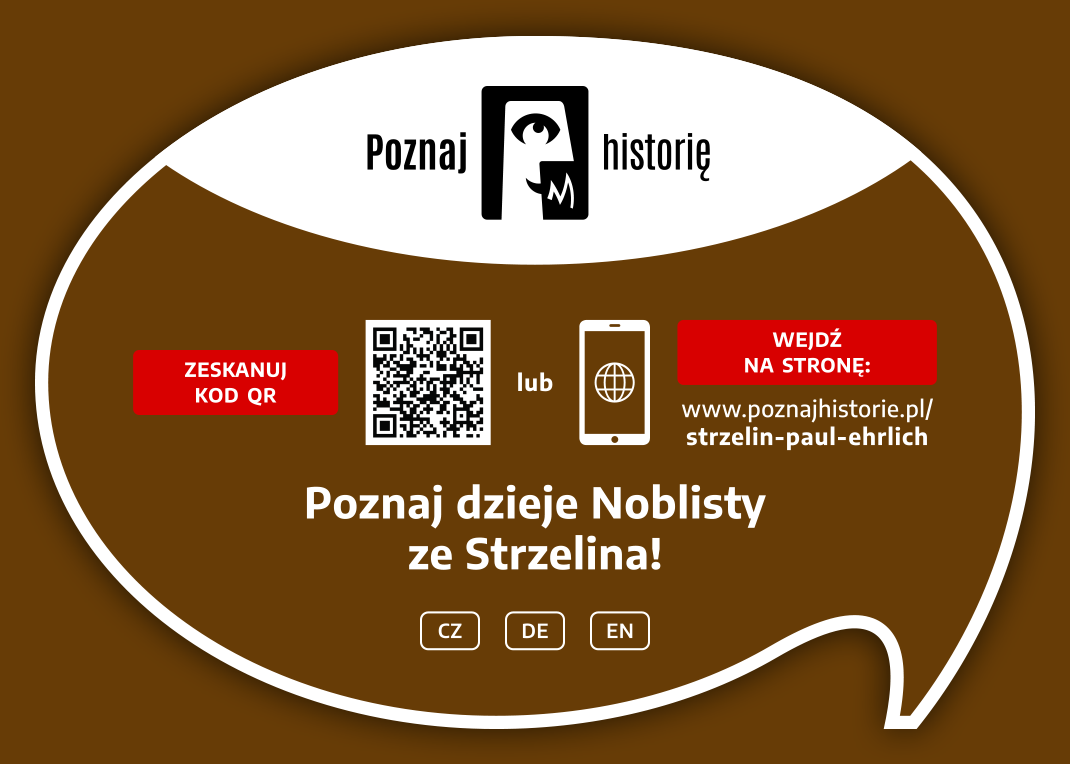
You need a smartphone with a camera. The camera lens should be pointed at the information plaque located next to the monument. Below is a view of the plaque itself and its example location next to the Karol Musioł monument in Opole.

STEP 2

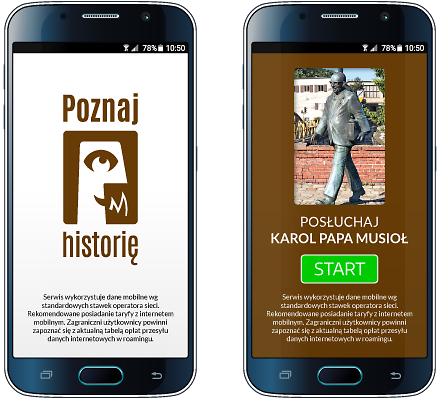
After pointing your smartphone's camera at the QR code located on the right side of the plaque, the app's welcome screen will appear, followed by a screen with the name, photo of the monument, and the "START" button.

STEP 3

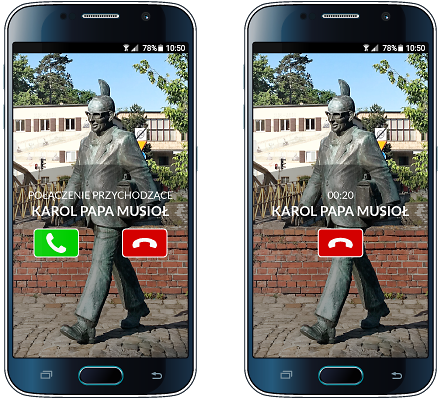
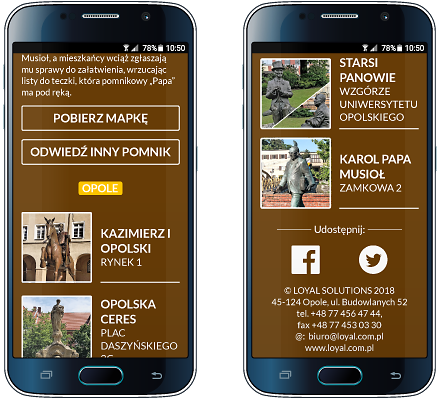
The "START" button starts the audio recording process.
Your smartphone will prompt you with the next steps after you listen to the story or pause it. Please keep an eye on your smartphone screen!

STEP 4

Other available options: brief information about the monument, author of the text and recording, list of other monuments in the city included in the "Discover History" project, downloadable map of monuments, video, and social media links


Would you like to implement the project in your city as well?

Contact

Project partners

Implementing the "Discover history" project in each city requires the involvement of many people: programmers, graphic designers, writers, actors, sound engineers, and coordinators. It is thanks to them that this project came to life.

Our ambition is to continually expand its reach. Therefore, we thank our current partners and invite additional cities, institutions, companies, and individuals to collaborate!


Would you like to become our Partner of the project or monument?

Contact

Contact

Are you interested in implementing the project in your city? Want to learn more? Want to learn more? Write to us, call us! We'll contact you and arrange a meeting. We'll prepare materials and a proposal for you.