Zespół klasztorny

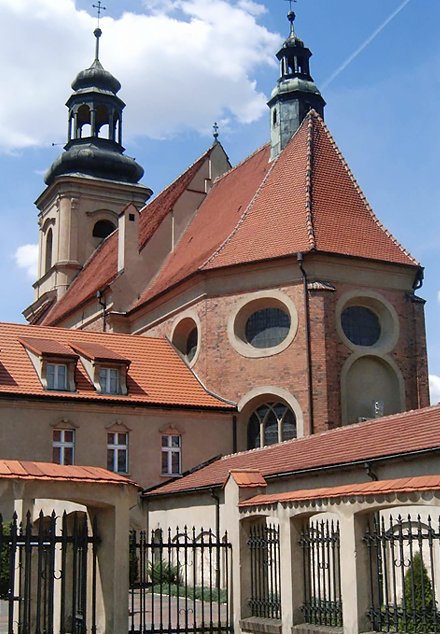
Sam zespół, oprócz klasztoru, obejmuje jeszcze kościół, część gospodarczą i ogród klasztorny. Jest on istną mieszanką stylów okresu późnego renesansu, łącząc w sobie formy nawiązujące do tradycji gotyckich, oraz wnętrz utrzymanych w duchu rokoko.

Głównym budynkiem jest kościół pw. św. Józefa Oblubieńca, który ze wszystkich stron otaczają zabudowania klasztoru. Obecny kościół wzniesiono w latach 1638-1644. Prace nad wykończeniem i wyposażeniem świątyni oraz jego otoczenia trwały znacznie dłużej, bo niemal do końca XVIII wieku. Wnętrze kościoła zawiera wyposażenie rokokowe oraz barokowe epitafium Mikołaja Tarnowieckiego. Polichromie pochodzą z 1745 r. a sklepienie nawy ozdobił freskami malarz głogowski Ernest Engelfeldner. Resztę prac malarskich wykonali przysłani z Poznania bracia bernardyni — Walenty Żebrowski i Liberiusz Staniszewski. Obecny ołtarz główny jest nieco pochodzi z roku 1746. Znajdujący się w nim obraz „Zdjęcie z krzyża” , ufundowany przez Ludwika Krzyckiego. Stanowi on kopię dzieła Rubensa.

Warto zobaczyć również kryptę grobową pod kaplicą Św. Krzyża. Wybudowano je w roku 1731. Pierwszym pochowanym pod kaplicą był w 1732 roku piwowar Mateusz. Zakonnicy byli natomiast chowani w tym miejscu dopiero dwa lata później. Do końca wieku XVIII w krypcie pochowano około 60 zmarłych.

Zespół klasztorny, z kościołem na czele robi ogromne wrażenie na turystach zwiedzających Wschowę. Nic dziwnego, że uznaje się go za perełkę wschowskich zabytków.
Zespół klasztorny
Zespół klasztorny

Visit Social media:

Share Social media:

How it working

To listen to the history of monuments as part of the "Discover History" project, you need to follow a few simple steps. Below, we present a short, step-by-step "user manual" to provide a relatively simple way to access the mini-auditions.

STEP 1

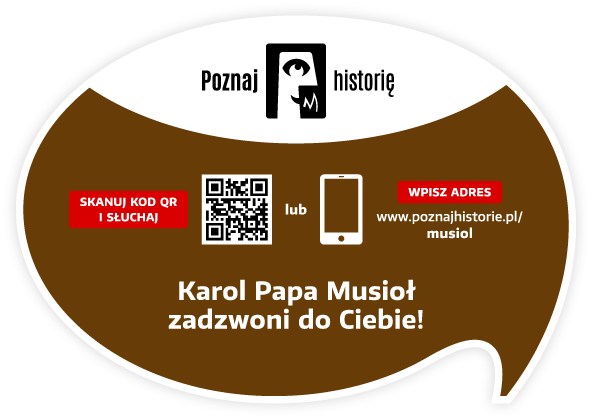
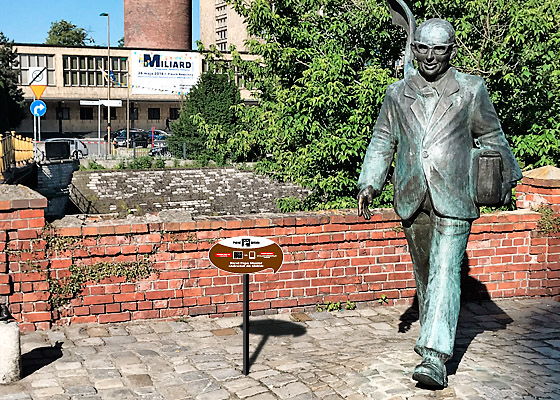
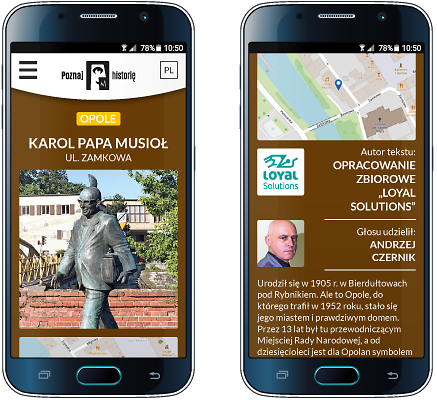
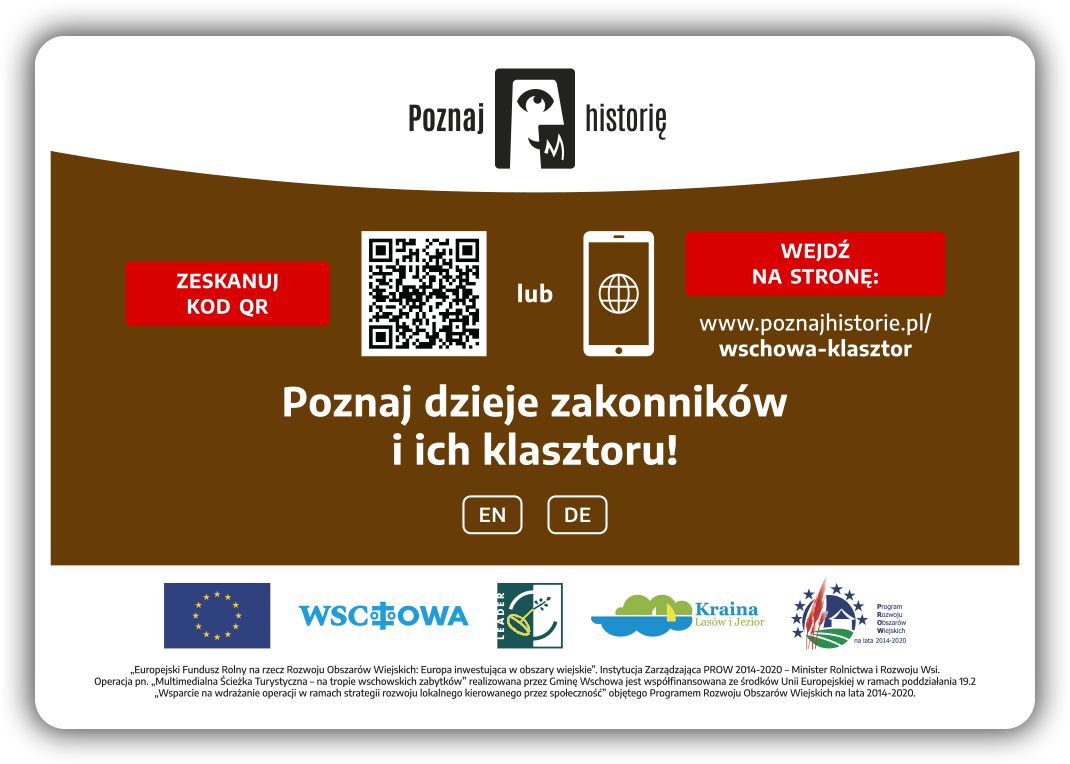
You need a smartphone with a camera. The camera lens should be pointed at the information plaque located next to the monument. Below is a view of the plaque itself and its example location next to the Karol Musioł monument in Opole.

STEP 2

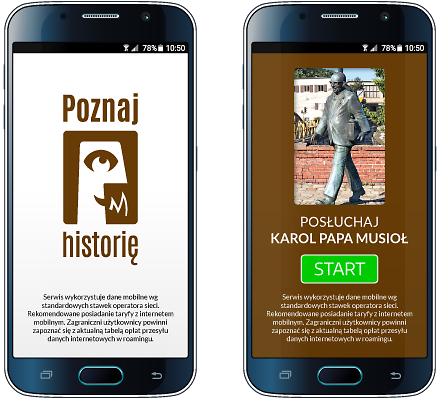
After pointing your smartphone's camera at the QR code located on the right side of the plaque, the app's welcome screen will appear, followed by a screen with the name, photo of the monument, and the "START" button.

STEP 3

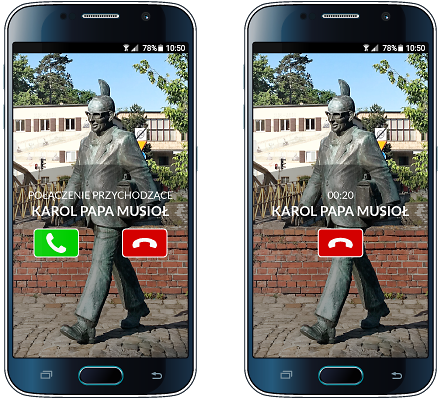
The "START" button starts the audio recording process.
Your smartphone will prompt you with the next steps after you listen to the story or pause it. Please keep an eye on your smartphone screen!

STEP 4

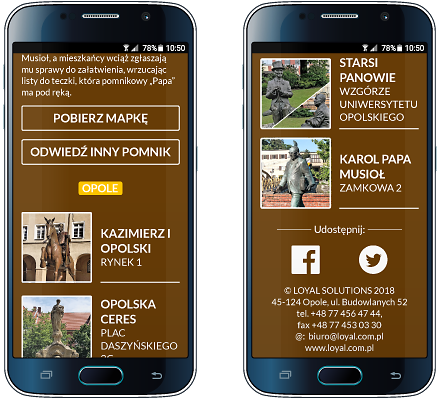
Other available options: brief information about the monument, author of the text and recording, list of other monuments in the city included in the "Discover History" project, downloadable map of monuments, video, and social media links


Would you like to implement the project in your city as well?

Contact

Project partners

Implementing the "Discover history" project in each city requires the involvement of many people: programmers, graphic designers, writers, actors, sound engineers, and coordinators. It is thanks to them that this project came to life.

Our ambition is to continually expand its reach. Therefore, we thank our current partners and invite additional cities, institutions, companies, and individuals to collaborate!


Would you like to become our Partner of the project or monument?

Contact

Contact

Are you interested in implementing the project in your city? Want to learn more? Want to learn more? Write to us, call us! We'll contact you and arrange a meeting. We'll prepare materials and a proposal for you.