Kościół farny

Ach, co to był za ślub! Sam wielki król Kazimierz stanął przed przyozdobionym na tę okazję ołtarzem naszego kościoła. Jego oblubienicą była młodziutka księżniczka Jadwiga Żagańska, córka Henryka V Głogowskiego.  Tak hucznej uroczystości Wschowa wcześniej nie widziała.

To wydarzenie z roku 1365 było z pewnością najbardziej doniosłe, ale oprócz królów, którzy się tutaj modlili jak np. August II Mocny i jego syn August III - ze świątynią związanych jest wiele znanych osobistości. Choćby sam architekt obecnego kościoła farnego Pompeo Ferrari to nie byle kto. Ten rodzony Włoch był wybitnym absolwentem Akademii Św. Łukasza w Rzymie. Do Polski przybył z polecenia wojewody poznańskiego Stanisława Leszczyńskiego i już wtedy był uznanym architektem.

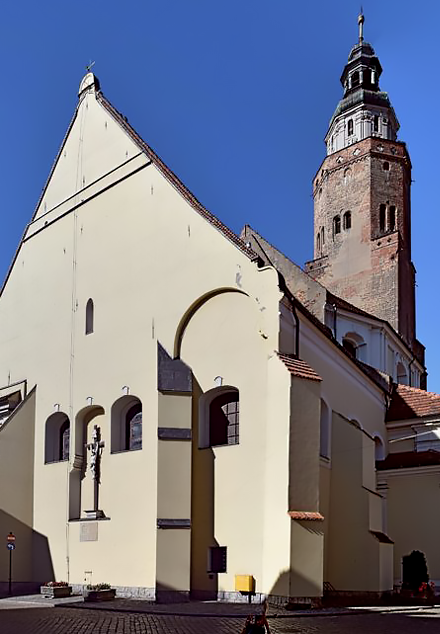
Kościół powstał w miejscu wcześniejszego pochodzącego z pierwszych lat XIII wieku. Był więc z miastem praktycznie od jego początku. Z patronką wiąże się także niemiecka nazwa miasta - Fraustadt, czyli Miasto Pani. Niestety zniszczyły go dwa wielkie pożary. Odbudowa rozpoczęła się dopiero po 35 latach od drugiego pożaru z 1685 r. Efekty ostatniej odbudowy widzimy do dzisiaj.

W jego wnętrzu zachowały się liczne średniowieczne relikty jak choćby sieciowe sklepienie nad prezbiterium. Stojąc na środku kościoła, unieś głowę i podziwiaj wspaniałe polichromie. Przedstawiają one Trójcę Świętą w otoczeniu archaniołów, oraz inne ważne postaci z Pisma Świętego. To barokowe wyposażenie kościoła robi wrażenie, prawda? W ołtarzu głównym zwróć uwagę na obraz Wniebowzięcia Najświętszej Marii Panny, a także na medalion z wizerunkiem drugiego patrona świątyni – św. Stanisława Biskupa. Ciekawe są także XVIII wieczne ołtarze boczne.
Kościół farny
Kościół farny

Visit Social media:

Share Social media:

How it working

To listen to the history of monuments as part of the "Discover History" project, you need to follow a few simple steps. Below, we present a short, step-by-step "user manual" to provide a relatively simple way to access the mini-auditions.

STEP 1

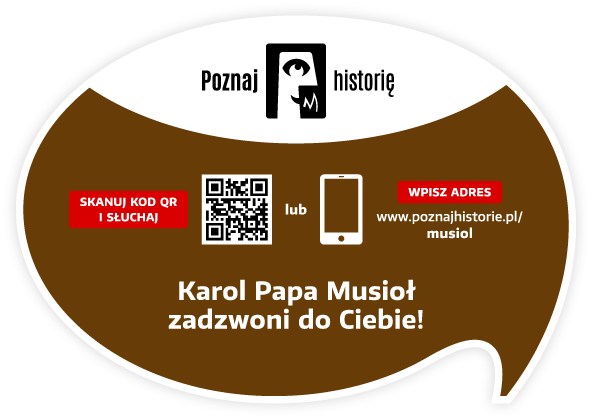
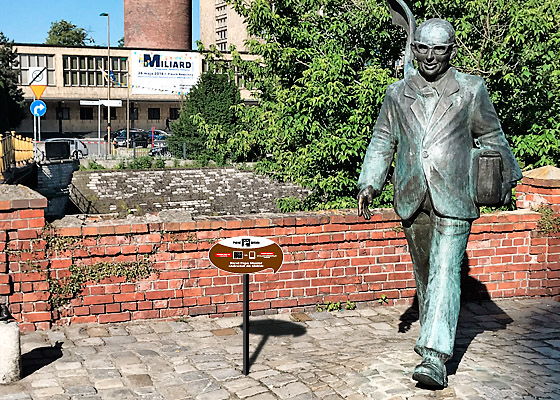
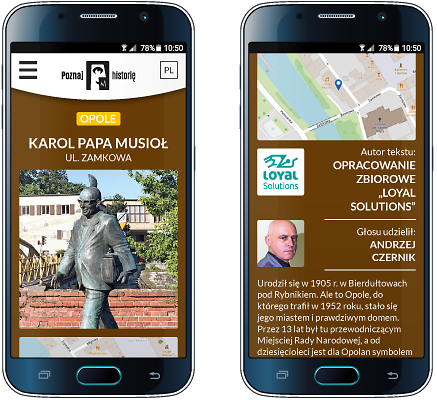
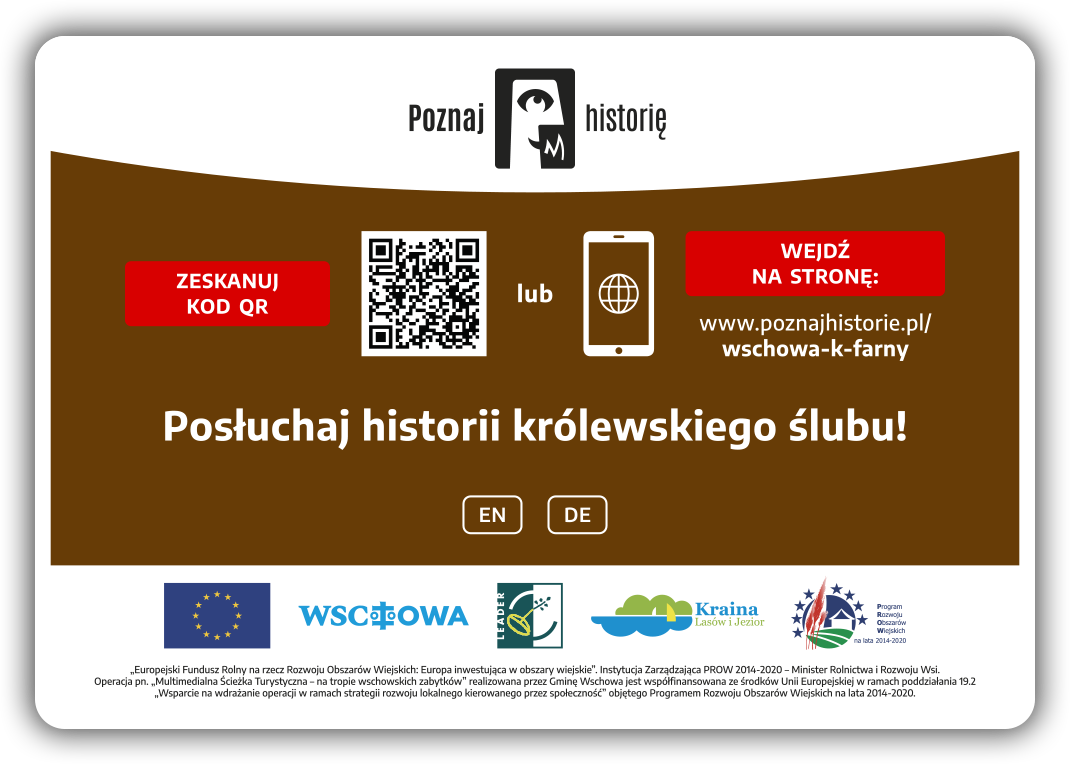
You need a smartphone with a camera. The camera lens should be pointed at the information plaque located next to the monument. Below is a view of the plaque itself and its example location next to the Karol Musioł monument in Opole.

STEP 2

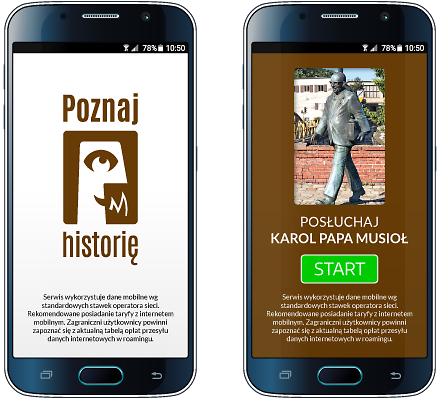
After pointing your smartphone's camera at the QR code located on the right side of the plaque, the app's welcome screen will appear, followed by a screen with the name, photo of the monument, and the "START" button.

STEP 3

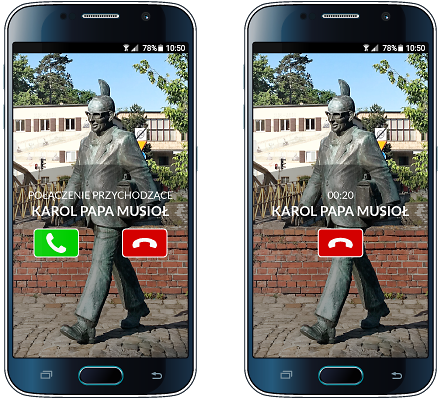
The "START" button starts the audio recording process.
Your smartphone will prompt you with the next steps after you listen to the story or pause it. Please keep an eye on your smartphone screen!

STEP 4

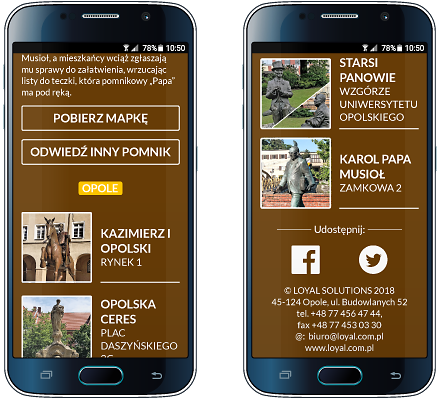
Other available options: brief information about the monument, author of the text and recording, list of other monuments in the city included in the "Discover History" project, downloadable map of monuments, video, and social media links


Would you like to implement the project in your city as well?

Contact

Project partners

Implementing the "Discover history" project in each city requires the involvement of many people: programmers, graphic designers, writers, actors, sound engineers, and coordinators. It is thanks to them that this project came to life.

Our ambition is to continually expand its reach. Therefore, we thank our current partners and invite additional cities, institutions, companies, and individuals to collaborate!


Would you like to become our Partner of the project or monument?

Contact

Contact

Are you interested in implementing the project in your city? Want to learn more? Want to learn more? Write to us, call us! We'll contact you and arrange a meeting. We'll prepare materials and a proposal for you.