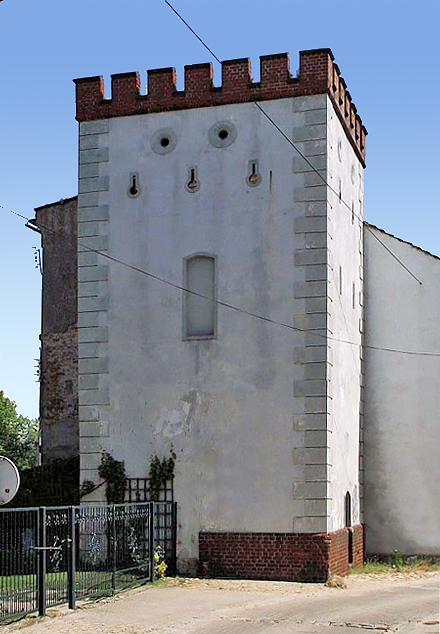
Baszta więzienna

Zbudowana w połowie XIV wieku obok nieistniejącej już Bramy Wrocławskiej. Wzniesiona z cegły o układzie polskim, otynkowana, była częścią imponującego kompleksu obronnego miasta. Mury wzniesione z kamienia narzutowego zaczęto stawiać już w latach 1296-1301.

W 1428 roku, po najeździe Husytów, mury wzmocniono i dodano w ich koronie zadaszone ganki dla strzelców. Fortyfikacja Grodkowa była zresztą wzmacniana przez lata. Ewolucję fortyfikacji widać gołym okiem. Mury obronne w dolnej kondygnacji do wysokości około 4 metrów zrobiono z kamienia polnego, natomiast w górnej kondygnacji z cegły.

Od momentu powstania do połowy XVIII wieku bramą więzienną zarządzała Rada Miejska. W czerwcu roku 1747 odkupił ją od miasta Frantz Fiedler. On także, za stosownym wynagrodzeniem 13 talarów rocznie, zaczął kierować więzieniem. W 1857 roku w Grodkowie wybudowano nowe więzienie, a władze miejskie zrezygnowały z usług baszty. Jej ówczesny właściciel za zaprzestanie swej działalności otrzymał odprawę w wysokości 300 talarów.

Nieco wcześniej natomiast zaczęto częściowo rozbierać mury, które przeszkadzały w funkcjonowaniu szybko rosnącego miasta. Bramę Nyską oraz Wrocławską wyburzono. Dwie pozostałe oraz tę właśnie bramę więzienną zdecydowano się na szczęście zachować ze względu na dużą wartość historyczną.
Baszta więzienna
Brama więzienna w Grodkowie

Visit Social media:

Share Social media:

How it working

To listen to the history of monuments as part of the "Discover History" project, you need to follow a few simple steps. Below, we present a short, step-by-step "user manual" to provide a relatively simple way to access the mini-auditions.

STEP 1

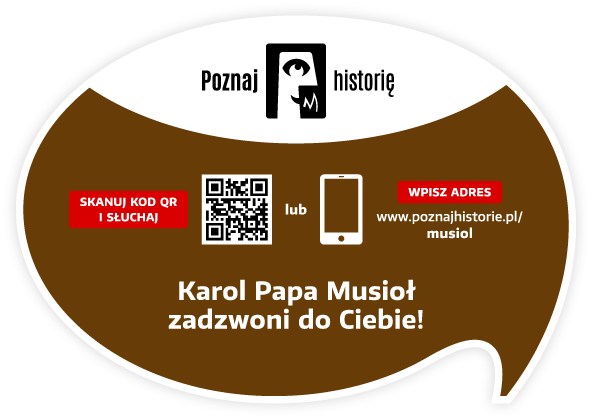
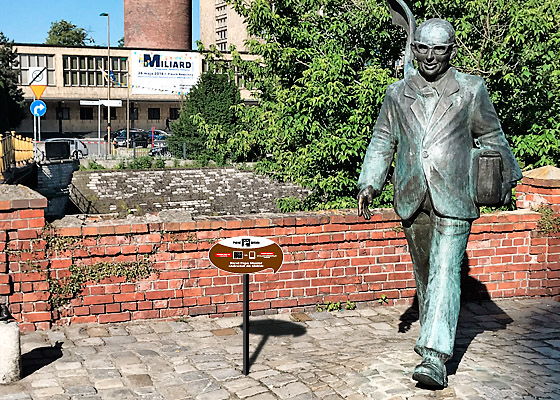
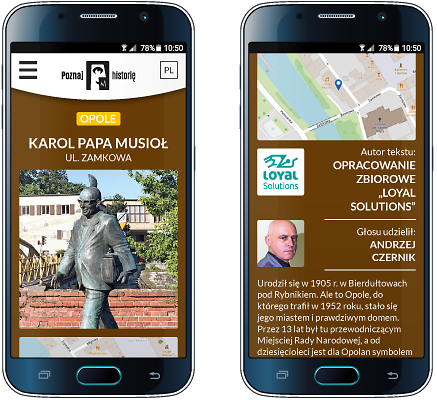
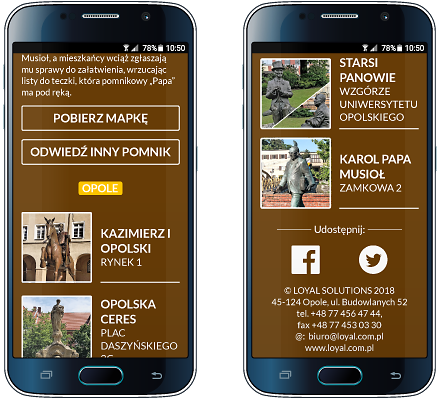
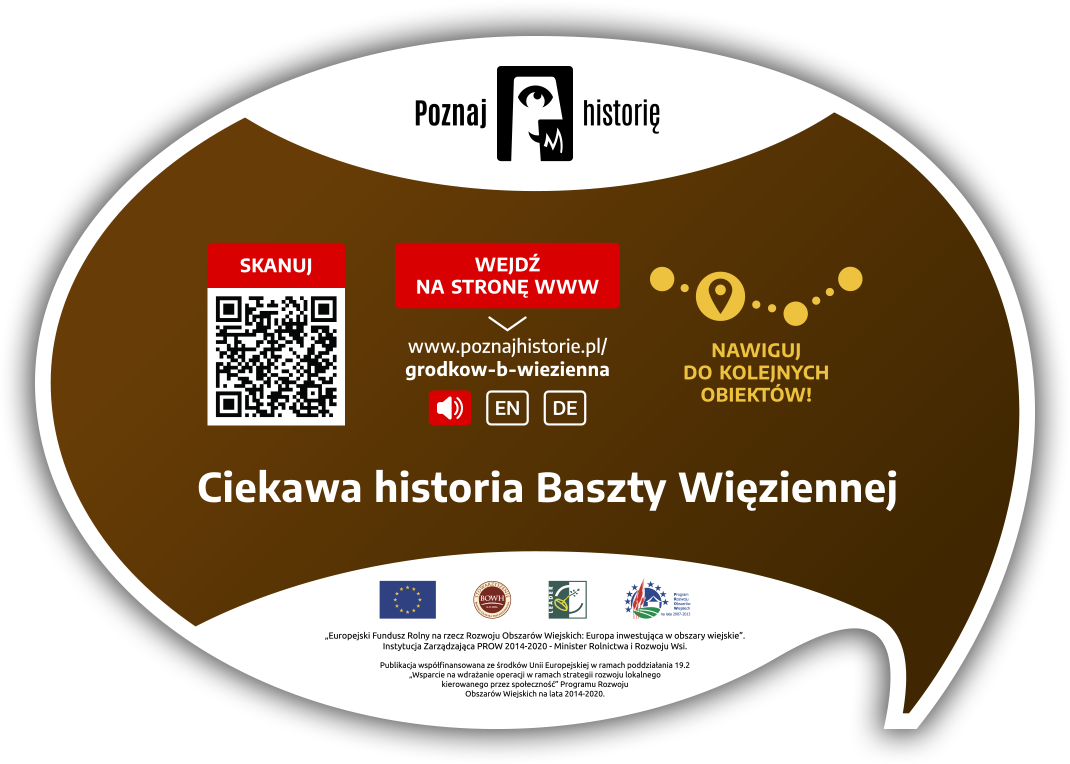
You need a smartphone with a camera. The camera lens should be pointed at the information plaque located next to the monument. Below is a view of the plaque itself and its example location next to the Karol Musioł monument in Opole.

STEP 2

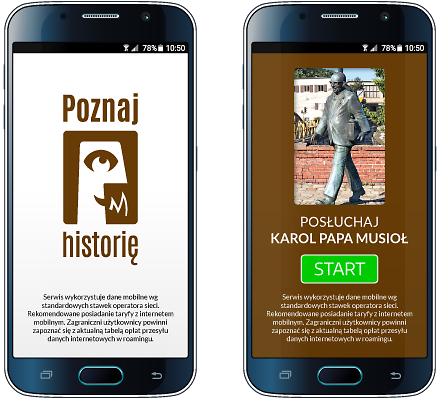
After pointing your smartphone's camera at the QR code located on the right side of the plaque, the app's welcome screen will appear, followed by a screen with the name, photo of the monument, and the "START" button.

STEP 3

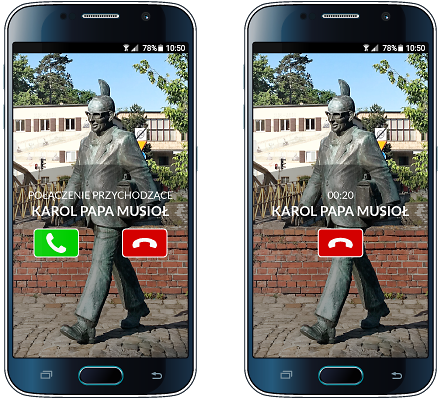
The "START" button starts the audio recording process.
Your smartphone will prompt you with the next steps after you listen to the story or pause it. Please keep an eye on your smartphone screen!

STEP 4

Other available options: brief information about the monument, author of the text and recording, list of other monuments in the city included in the "Discover History" project, downloadable map of monuments, video, and social media links


Would you like to implement the project in your city as well?

Contact

Project partners

Implementing the "Discover history" project in each city requires the involvement of many people: programmers, graphic designers, writers, actors, sound engineers, and coordinators. It is thanks to them that this project came to life.

Our ambition is to continually expand its reach. Therefore, we thank our current partners and invite additional cities, institutions, companies, and individuals to collaborate!


Would you like to become our Partner of the project or monument?

Contact

Contact

Are you interested in implementing the project in your city? Want to learn more? Want to learn more? Write to us, call us! We'll contact you and arrange a meeting. We'll prepare materials and a proposal for you.