Pedagogiczna Biblioteka Wojewódzka

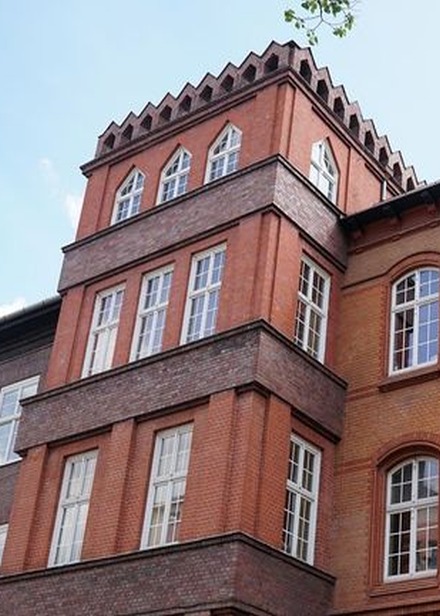
Zabytkowy budynek Pedagogicznej Biblioteki Wojewódzkiej w Opolu powstał w latach 1894-1899 w stylu neogotyckim. Było tu żeńskie gimnazjum ewangelickie do którego wchodziło się od ulicy Kościuszki. Potem budynek  dwukrotnie rozbudowano: w latach 1912-1913 w stylu uproszczonego, zgeometryzowanego neogotyku i w latach 1925-1926 w stylu modernistycznym.

Warte szczególnej uwagi architektoniczne detale gmachu to terakotowe figury uczennic autorstwa śląskiego rzeźbiarza Thomasa Myrtka. Można je obejrzeć od strony ulicy Reymonta. Jest ich sześć. Ale warto przyjrzeć się też - choć przez chwilę - matematycznie niemal regularnej, monumentalnej bryle z pięknej, czerwonej cegły, regularnym kształtom okien, strzelistym wieżyczkom, zwieńczeniom szczytów budowli czy misternie kutym poręczom schodów w jej siedzibie.

Najważniejsze jest jednak to, co znajduje się w budynku. A jest w nim istny skarb – przebogaty zbiór literatury, który jest wszechstronnym zasobem wiedzy dla pracowników szkół i placówek oświatowych. Z pewnością pomoże każdemu pedagogowi i nauczycielowi.

Czymś, o czym nie można nie wspomnieć, jest też absolutnie wyjątkowa i bogata kolekcja starodruków. W ostatnim czasie, by należycie je chronić i przechowywać, biblioteka realizuje duży projekt. W jego ramach wyremontowano i wyposażono pomieszczenie, w którym starodruki są przechowywane. Skarby te zostały też odpowiednio zabezpieczone. Planowane są też działania edukacyjno-informacyjne z wykorzystaniem aplikacji teleinformatycznych. Dzięki temu starodruki będą odpowiednio wyeksponowane.
Pedagogiczna Biblioteka Wojewódzka
Pedagogiczna Biblioteka w Opolu

Visit Social media:

Share Social media:

How it working

To listen to the history of monuments as part of the "Discover History" project, you need to follow a few simple steps. Below, we present a short, step-by-step "user manual" to provide a relatively simple way to access the mini-auditions.

STEP 1

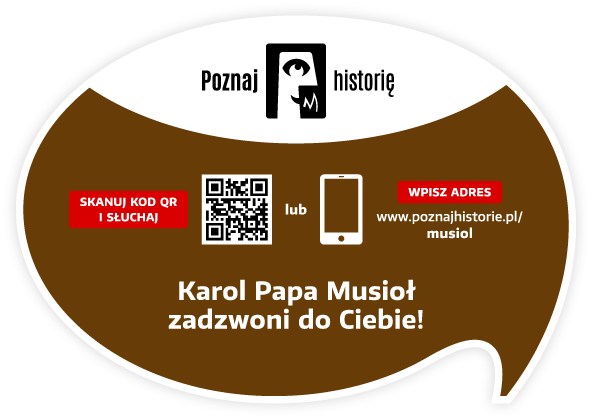
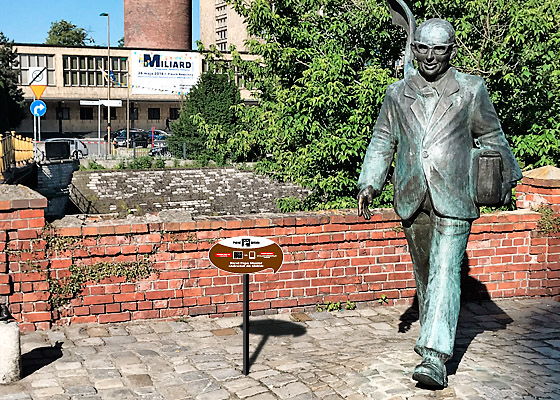
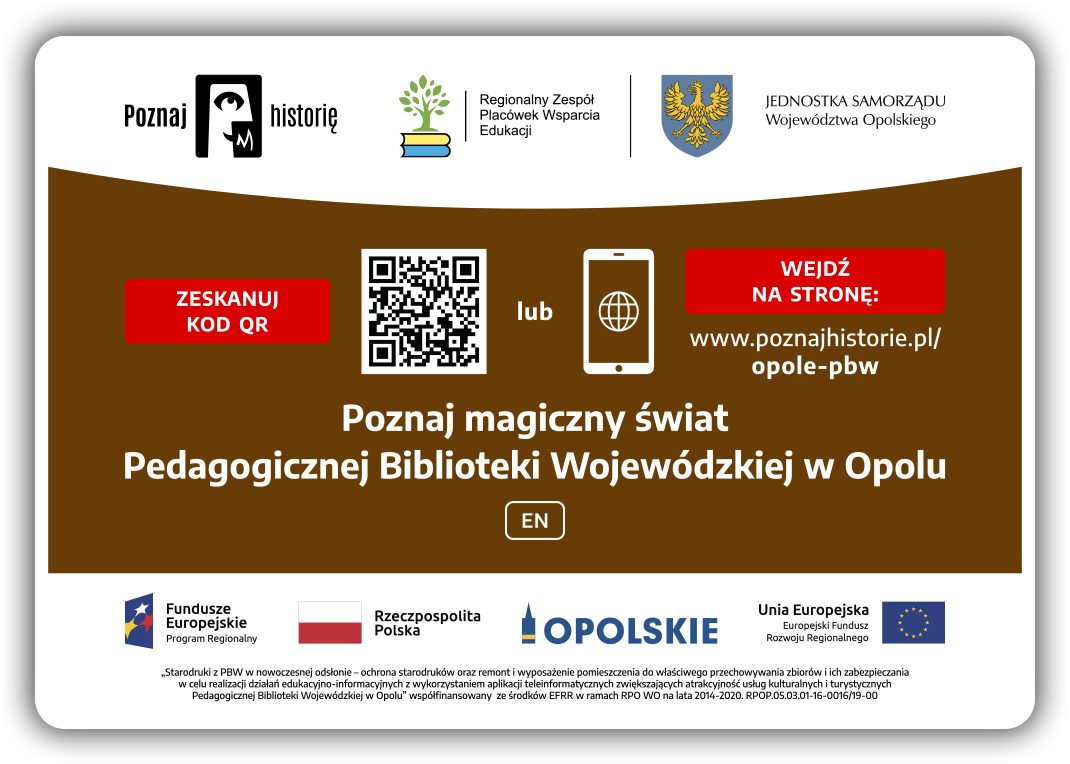
You need a smartphone with a camera. The camera lens should be pointed at the information plaque located next to the monument. Below is a view of the plaque itself and its example location next to the Karol Musioł monument in Opole.

STEP 2

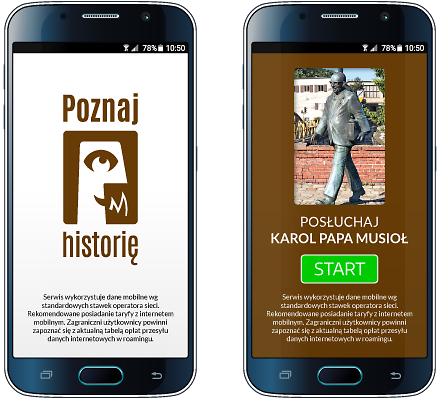
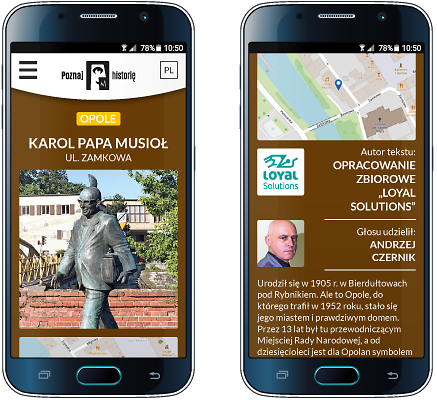
After pointing your smartphone's camera at the QR code located on the right side of the plaque, the app's welcome screen will appear, followed by a screen with the name, photo of the monument, and the "START" button.

STEP 3

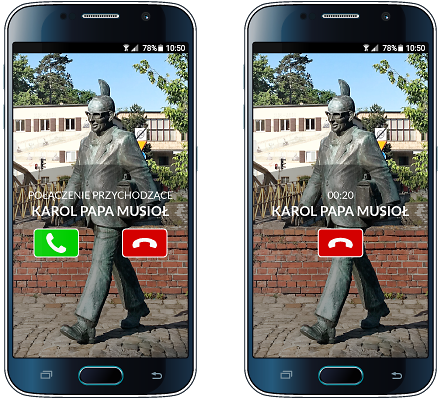
The "START" button starts the audio recording process.
Your smartphone will prompt you with the next steps after you listen to the story or pause it. Please keep an eye on your smartphone screen!

STEP 4

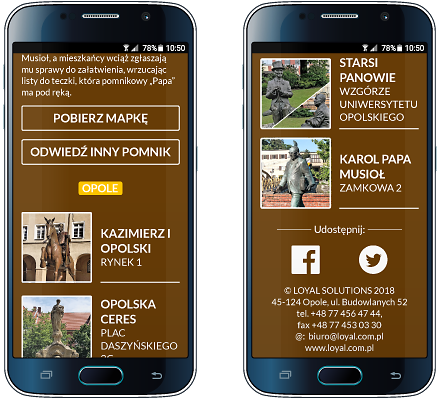
Other available options: brief information about the monument, author of the text and recording, list of other monuments in the city included in the "Discover History" project, downloadable map of monuments, video, and social media links


Would you like to implement the project in your city as well?

Contact

Project partners

Implementing the "Discover history" project in each city requires the involvement of many people: programmers, graphic designers, writers, actors, sound engineers, and coordinators. It is thanks to them that this project came to life.

Our ambition is to continually expand its reach. Therefore, we thank our current partners and invite additional cities, institutions, companies, and individuals to collaborate!


Would you like to become our Partner of the project or monument?

Contact

Contact

Are you interested in implementing the project in your city? Want to learn more? Want to learn more? Write to us, call us! We'll contact you and arrange a meeting. We'll prepare materials and a proposal for you.