Władysław Weber przeprowadził się do Rybnika w 1907 roku. Brał udział w I i II powstaniu śląskim, a podczas trzeciego został mianowany na tymczasowego burmistrza miasta. W 1921 roku utrzymał to stanowisko w wyniku wyborów. To za jego rządów wybudowano nowy gmach Urzędu Miasta przy ulicy Bolesława Chrobrego, dom PCK, kilka szkół, skwerów, niezliczoną ilość dróg czy Straż Pożarną. Za jego czasów odnowiono też płytę rybnickiego Rynku, przebudowano Plac Wolności i sprowadzono do miasta zakony Werbistów oraz Urszulanek. A o piękny wygląd Rybnika dbano do tego stopnia, że został on laureatem ogólnopolskiego konkursu i otrzymało miano „miasta kwiatów i ogrodów”.
Burmistrz Weber zmarł w 1961 roku, ale wspominany jest w Rybniku po dziś dzień.
Władysław Weber
Najsłynniejszy burmistrz Rybnika. Rozpoczynał pracę o 6 rano obchodem swojego miasta. Po drodze sprawdzał stan dróg, chodników czy elewacji. Gdy znalazł jakieś uchybienia od razu wyznaczał termin wykonania napraw, najczęściej do końca tygodnia. Za tę troskę o miasto i za bliskie relacje z mieszkańcami Rybniczanie swojego wieloletniego burmistrza kochali i szanowali.
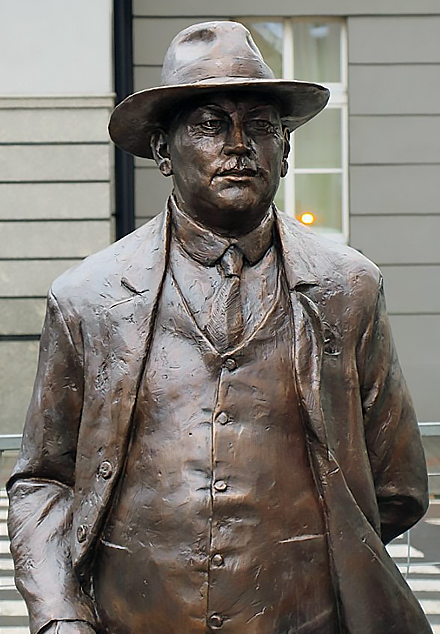
Władysław Weber
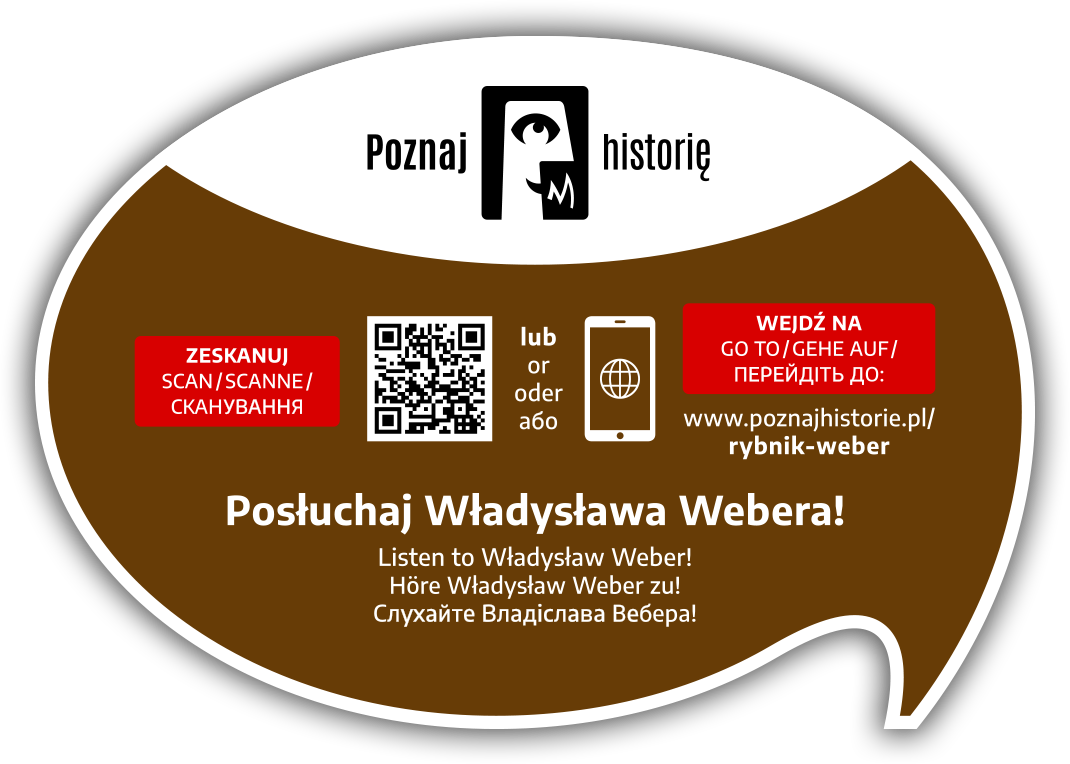
How it working
To listen to the history of monuments as part of the "Discover History" project, you need to follow a few simple steps. Below, we present a short, step-by-step "user manual" to provide a relatively simple way to access the mini-auditions.
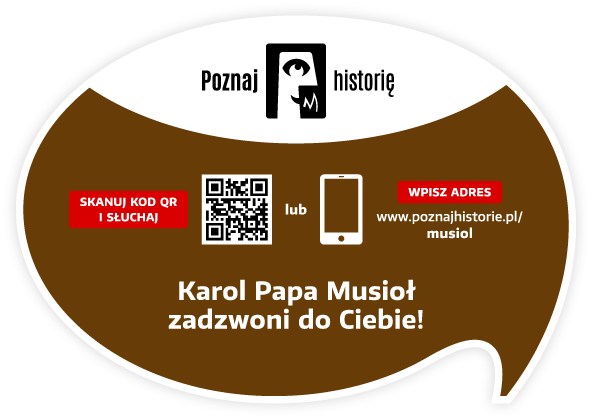
STEP 1
You need a smartphone with a camera. The camera lens should be pointed at the information plaque located next to the monument. Below is a view of the plaque itself and its example location next to the Karol Musioł monument in Opole.
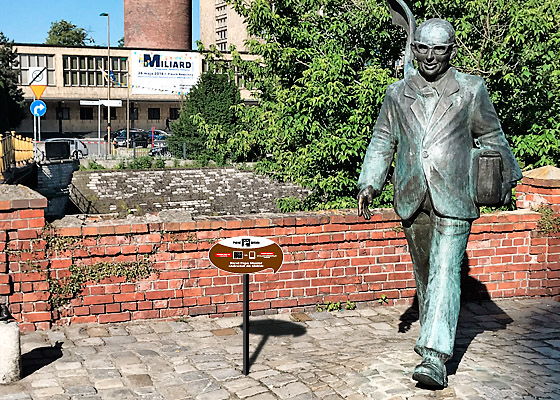
STEP 2
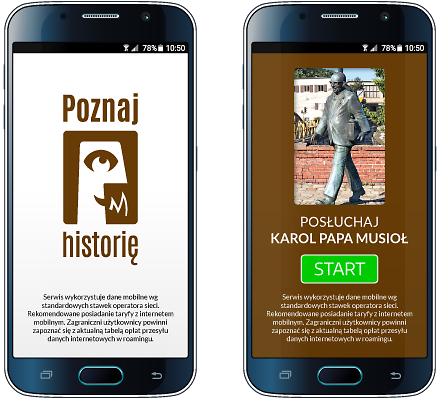
After pointing your smartphone's camera at the QR code located on the right side of the plaque, the app's welcome screen will appear, followed by a screen with the name, photo of the monument, and the "START" button.
STEP 3
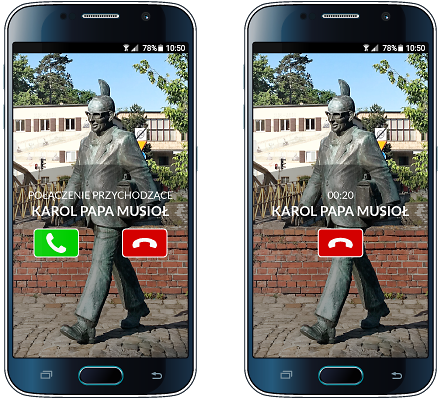
The "START" button starts the audio recording process.
Your smartphone will prompt you with the next steps after you listen to the story or pause it. Please keep an eye on your smartphone screen!
STEP 4
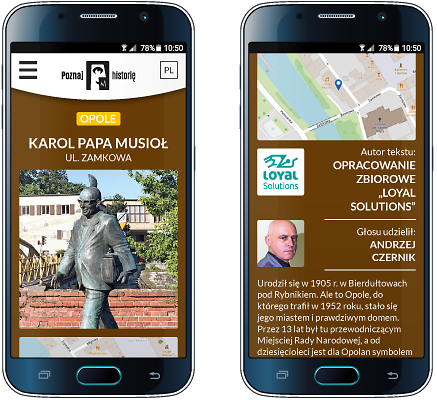
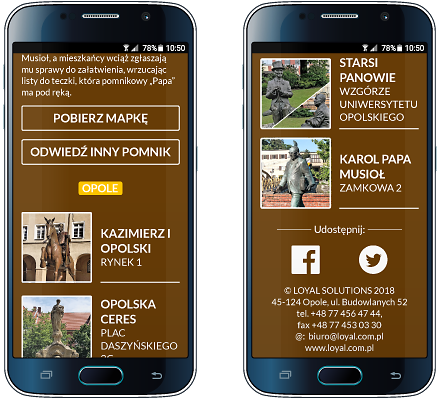
Other available options: brief information about the monument, author of the text and recording, list of other monuments in the city included in the "Discover History" project, downloadable map of monuments, video, and social media links
Would you like to implement the project in your city as well?
ContactSelect an object
View gallery
Monuments in cities remind us of the history of places and people, and allude to important events. They are also works of art. Bronze, metal, wood, or concrete transformed into the form of a monumental obelisk attract attention. We enjoy sitting by them, taking photos, and making appointments.
Project partners
Implementing the "Discover history" project in each city requires the involvement of many people: programmers, graphic designers, writers, actors, sound engineers, and coordinators. It is thanks to them that this project came to life.
Our ambition is to continually expand its reach. Therefore, we thank our current partners and invite additional cities, institutions, companies, and individuals to collaborate!

Would you like to become our Partner of the project or monument?
ContactContact
Are you interested in implementing the project in your city? Want to learn more? Want to learn more? Write to us, call us! We'll contact you and arrange a meeting. We'll prepare materials and a proposal for you.

Project „DISCOVER HISTORY”.
QR Communication Sp. z o.o.
tel. +48 735 147 911
tel. +48 606 881 118
paulina.panusch@poznajhistorie.pl
kontakt@poznajhistorie.pl
QR Communication Sp. z o.o.
tel. +48 735 147 911
tel. +48 606 881 118
paulina.panusch@poznajhistorie.pl
kontakt@poznajhistorie.pl
Visit Social media:
Share Social media: