Port
Rybacki

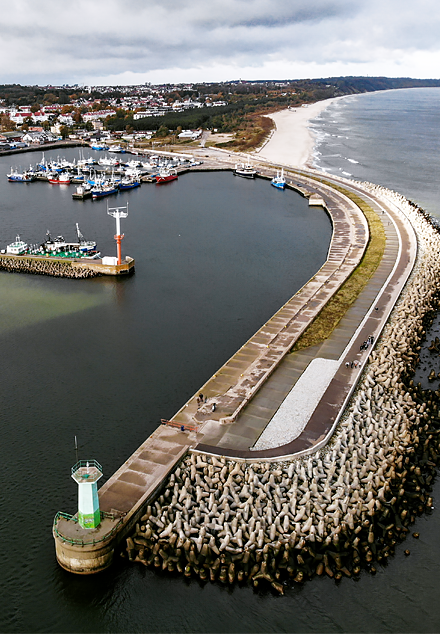
Wszystko zaczęło się od zwykłej rybackiej osady zwaną Wielką Wsią. Przed wojną niczym się nie wyróżniała, ludzie żyli tu z tego, co dało im morze. Wszystko zmieniło się w roku 1938, gdy otwarto tu port rybacki z prawdziwego zdarzenia.

Osada dostała wreszcie swój kościół, wybudowano dworzec. Zamiast niewielkich rybackich łódek  pojawiły się tu dziesiątki nowoczesnych kutrów. Port nazwano wtedy Władysławowo na cześć króla Władysława IV, który krótko przed Szwedzkim potopem zbudował tu wojenny fort.

W latach swojej świetności władysławowski port był  jednym z najważniejszych portów pod względem ilości wyładowywanej ryby, liczby obsługiwanych kutrów rybackich i wyposażenia. Wielkość połowu sięgała 35 tysięcy ton rocznie. Do tej pory nie tylko się tu łowi, ale także przetwarza i przechowuje ryby w specjalnych chłodniach.

Falochron zachodni mierzy ponad 700 metrów i jest ulubionym miejscem spacerowiczów. Wędkarze łowią z niego natomiast głównie okonie i flądry.
PortRybacki
Port Rybacki

Visit Social media:

Share Social media:

How it working

To listen to the history of monuments as part of the "Discover History" project, you need to follow a few simple steps. Below, we present a short, step-by-step "user manual" to provide a relatively simple way to access the mini-auditions.

STEP 1

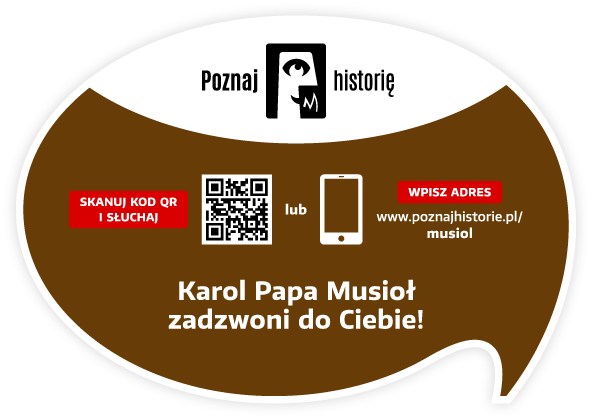
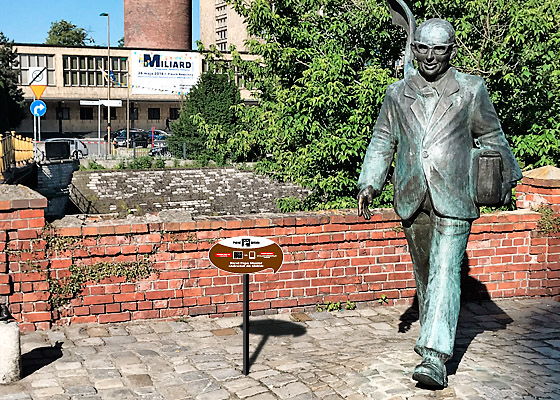
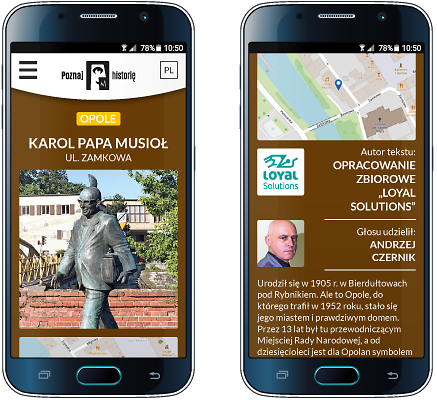
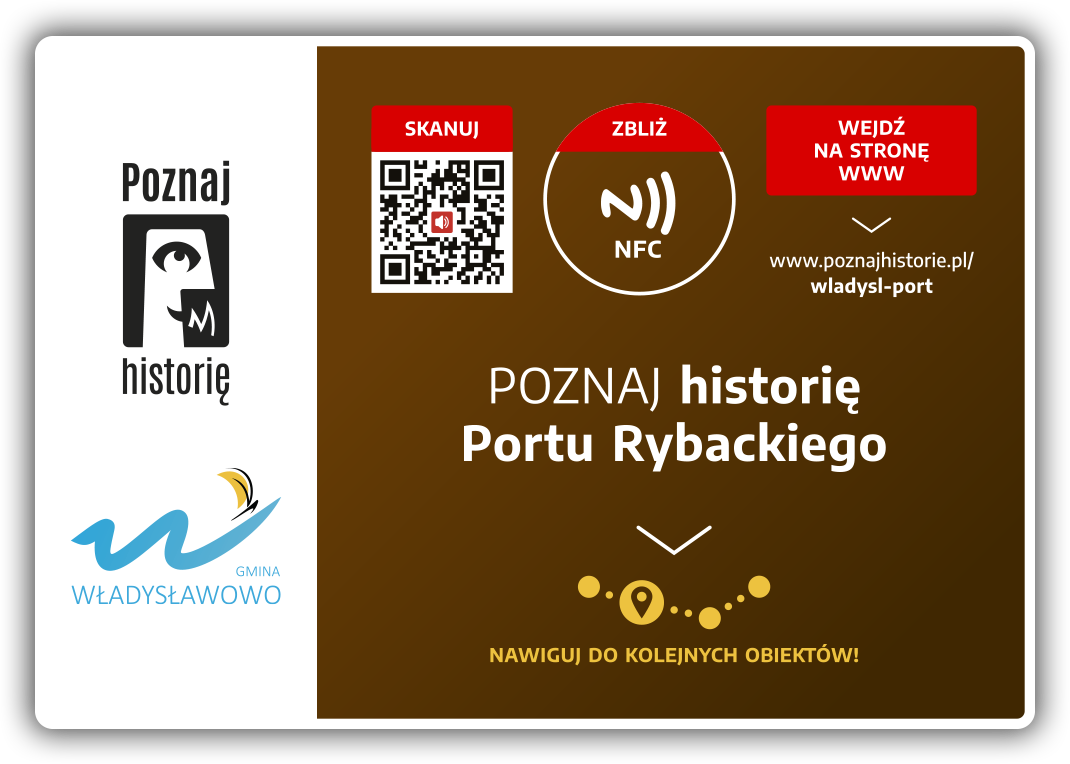
You need a smartphone with a camera. The camera lens should be pointed at the information plaque located next to the monument. Below is a view of the plaque itself and its example location next to the Karol Musioł monument in Opole.

STEP 2

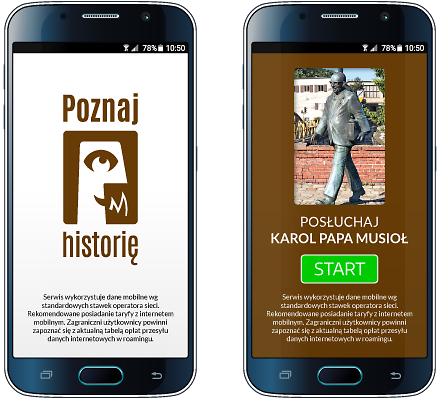
After pointing your smartphone's camera at the QR code located on the right side of the plaque, the app's welcome screen will appear, followed by a screen with the name, photo of the monument, and the "START" button.

STEP 3

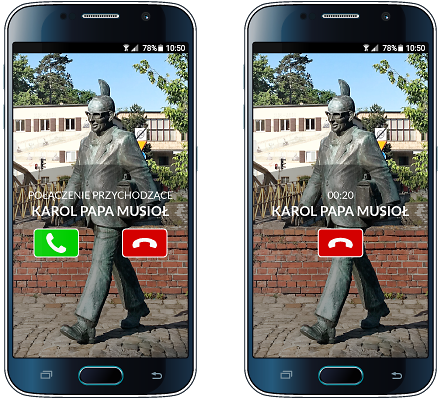
The "START" button starts the audio recording process.
Your smartphone will prompt you with the next steps after you listen to the story or pause it. Please keep an eye on your smartphone screen!

STEP 4

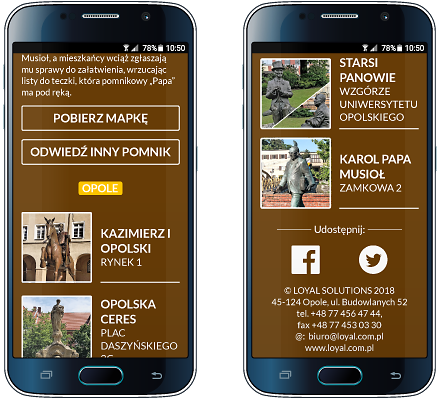
Other available options: brief information about the monument, author of the text and recording, list of other monuments in the city included in the "Discover History" project, downloadable map of monuments, video, and social media links


Would you like to implement the project in your city as well?

Contact

Project partners

Implementing the "Discover history" project in each city requires the involvement of many people: programmers, graphic designers, writers, actors, sound engineers, and coordinators. It is thanks to them that this project came to life.

Our ambition is to continually expand its reach. Therefore, we thank our current partners and invite additional cities, institutions, companies, and individuals to collaborate!


Would you like to become our Partner of the project or monument?

Contact

Contact

Are you interested in implementing the project in your city? Want to learn more? Want to learn more? Write to us, call us! We'll contact you and arrange a meeting. We'll prepare materials and a proposal for you.