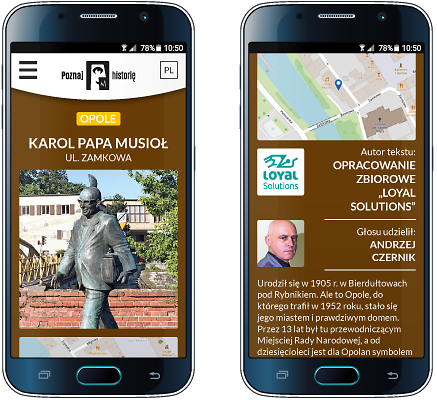
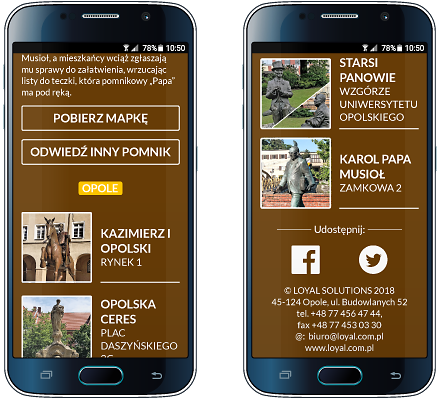
Przylądek Rozewski

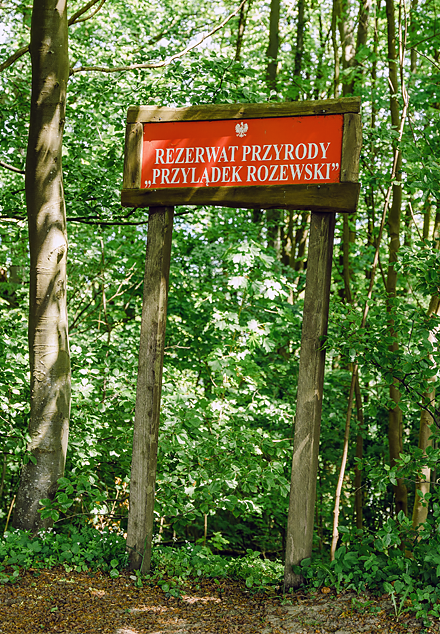
Słynne rozewskie buki, te najstarsze mają nawet 200 lat i pamiętają budowę obu latarni morskich. Wtedy były niepozornymi maluchami, a z biegiem czasu to właśnie ich wysokość wymuszała podwyższanie latarni, by latarnicy mogli obserwować morze.


Niektóre z drzew są pomnikami przyrody, a ich pnie mają nawet trzy metry średnicy.

W rezerwacie, który powstał w 1959 roku, na dwunastu hektarach odnotowano aż 196 gatunków roślin. Wśród nich jest właśnie bluszcz pospolity, a także kukułka Fuchsa, wawrzynek wilczełyko, zagrożone wymarciem na Pomorzu Zachodnim gnieźnik leśny i wierzba czarniawa, a także jarząb szwedzki, też już niestety wymierający w Polsce.

Rezerwat znajduje się blisko osiedli ludzkich. W pobliżu nie ma też większych kompleksów leśnych. Dlatego zwierzyna trzyma się od buków z daleka. Są za to wspaniałe ptaki. Kruk Corvus corax ma tu swój rewir lęgowy. Rezerwat słynie też z klifu. Ma około 50 metrów i gdyby nie jego ochrona, dziś pewnie nie oglądalibyśmy tej pięknej buczyny. Przez wiele lat wody Bałtyku podmywały ten teren. Dawne zapisy mówią, że niegdyś linia brzegowa sięgała kilka kilometrów na północ. Na szczęście w 1927 roku zbudowano betonową opaskę długości 800 metrów i od tego czasu klif stał się martwy – przestał się cofać. A buki stoją niewzruszone. Co więcej, w obrębie klifu powstał system studzienek i drenów, które na bieżąco odprowadzają wodę, chroniąc 200-letni drzewostan przed tworzeniem się osuwisk na stromym zboczu.
Przylądek Rozewski
Przylądek Rozewski

Visit Social media:

Share Social media:

How it working

To listen to the history of monuments as part of the "Discover History" project, you need to follow a few simple steps. Below, we present a short, step-by-step "user manual" to provide a relatively simple way to access the mini-auditions.

STEP 1

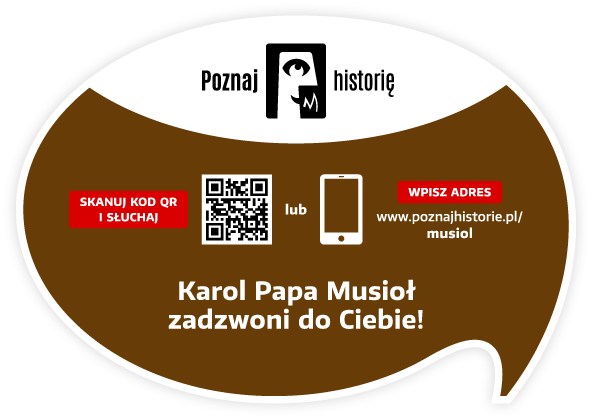
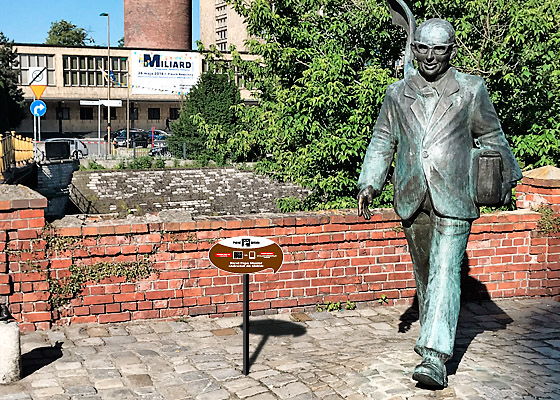
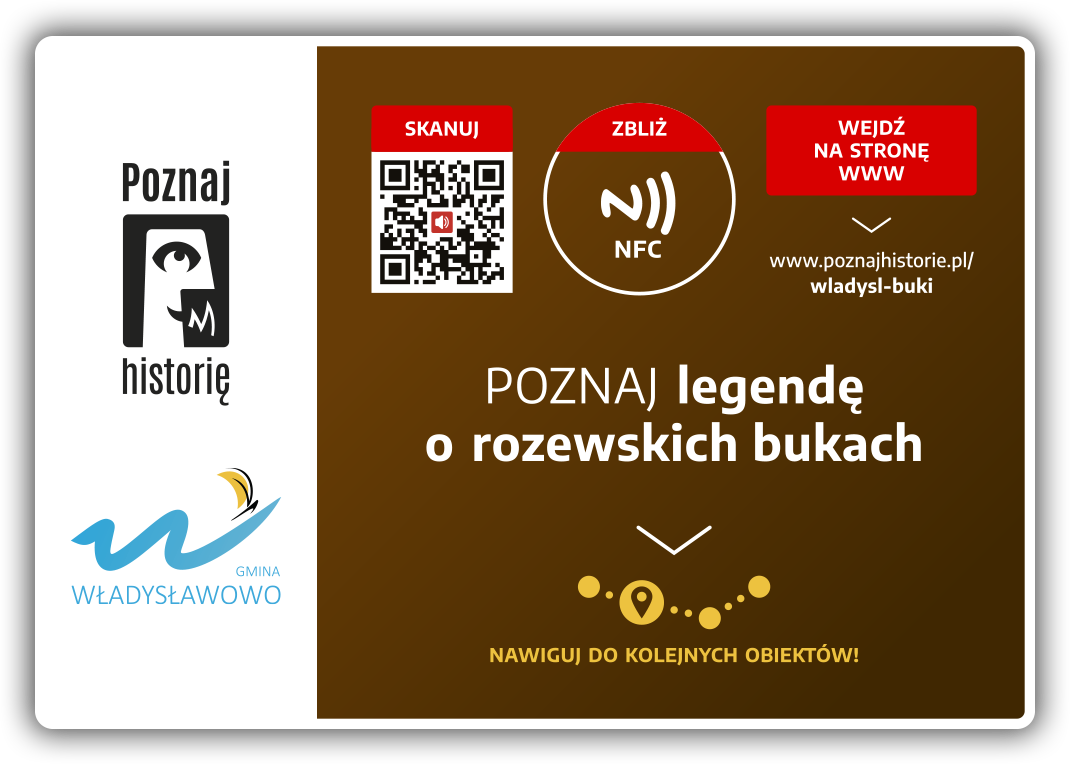
You need a smartphone with a camera. The camera lens should be pointed at the information plaque located next to the monument. Below is a view of the plaque itself and its example location next to the Karol Musioł monument in Opole.

STEP 2

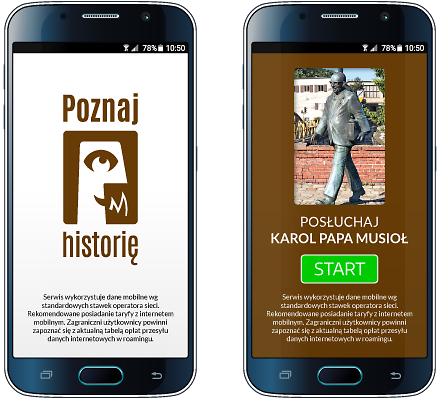
After pointing your smartphone's camera at the QR code located on the right side of the plaque, the app's welcome screen will appear, followed by a screen with the name, photo of the monument, and the "START" button.

STEP 3

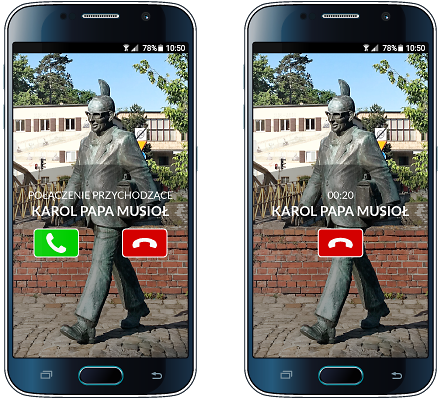
The "START" button starts the audio recording process.
Your smartphone will prompt you with the next steps after you listen to the story or pause it. Please keep an eye on your smartphone screen!

STEP 4

Other available options: brief information about the monument, author of the text and recording, list of other monuments in the city included in the "Discover History" project, downloadable map of monuments, video, and social media links


Would you like to implement the project in your city as well?

Contact

Project partners

Implementing the "Discover history" project in each city requires the involvement of many people: programmers, graphic designers, writers, actors, sound engineers, and coordinators. It is thanks to them that this project came to life.

Our ambition is to continually expand its reach. Therefore, we thank our current partners and invite additional cities, institutions, companies, and individuals to collaborate!


Would you like to become our Partner of the project or monument?

Contact

Contact

Are you interested in implementing the project in your city? Want to learn more? Want to learn more? Write to us, call us! We'll contact you and arrange a meeting. We'll prepare materials and a proposal for you.