Synagoga

W 1939 roku uciekli ze Śremu lub zostali przesiedleni ostatni wyznawcy religii mojżeszowej. Hitlerowcy rozpoczęli barbarzyński proceder niszczenia tego narodu od dewastacji najważniejszego żydowskiego budynku w mieście - synagogi.

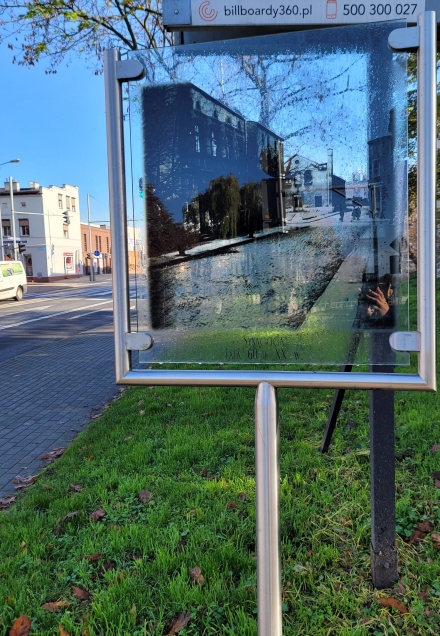
W połowie XIX wieku było tutaj aż 1166 Żydów co stanowiło, bagatela, 30 procent ówczesnej ludności miasta! Nie tylko zajmowali się usługami i handlem, ale także wspomagali lokalne instytucje i inicjatywy. Widoczna na szybie synagoga była centralnym miejscem tej licznej wspólnoty. Nie tylko modlono się w niej i czytano Torę, ale prowadzono interesy i dyskutowano nad bieżącymi sprawami.

Żydzi mieli w Śremie także cheder, czyli szkołę. Zbudowano ją w tym samym czasie co synagogę. Początkowo istniała w niej tylko jedna klasa, szybko jednak, ze względu na wielu chętnych, szkołę powiększono. Nieco wcześniej w Śremie założono także kirkut, czyli żydowski cmentarz. Był usytuowany na niewielkim wzgórzu, gęsto porastały go różnego gatunku drzewa oraz krzewy, głównie bzu. [szum drzew, śpiew ptaków] Stale zamknięte wejście sprawiało natomiast, że licznie przesiadywały tu ptaki. Było więc to nie tylko miejsce zadumy ale i odpoczynku wśród natury.

Niestety, piękna historia śremskich Żydów miała swój tragiczny koniec. Postarali się o to hitlerowscy zbrodniarze, którzy postanowili zatrzeć wszelkie ślady tej wspólnoty. Jak już wspomnieliśmy, najpierw zdewastowali synagogę, a to co z niej pozostało przekształcili w magazyn. Po wojnie nie miał jej kto odrestaurować, więc budynek rozebrano w początku lat 60. Ten sam los spotkał szkołę na rogu Szewskiej i Młyńskiej, która jeszcze przez kilka lat po wojnie służyła za mieszkania. Dziś w jej miejscu jest parking. Sam cmentarz zniknął całkowicie.
Synagoga
Synagoga

Visit Social media:

Share Social media:

How it working

To listen to the history of monuments as part of the "Discover History" project, you need to follow a few simple steps. Below, we present a short, step-by-step "user manual" to provide a relatively simple way to access the mini-auditions.

STEP 1

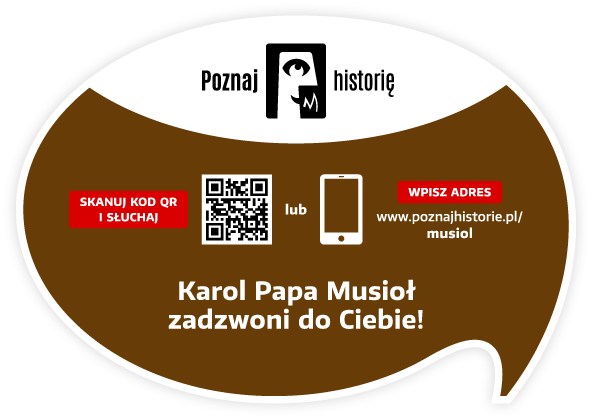
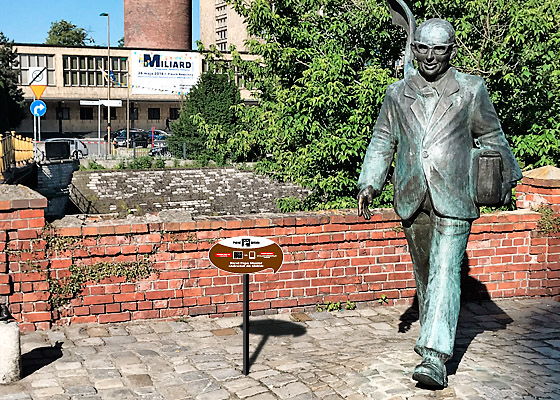
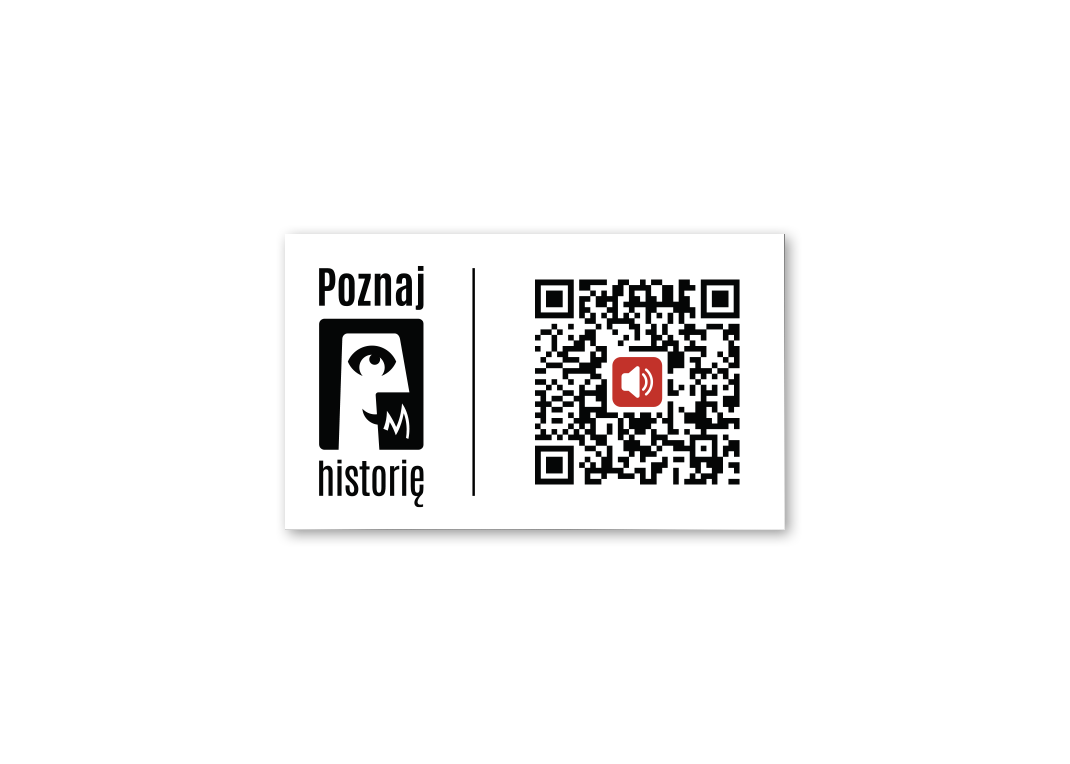
You need a smartphone with a camera. The camera lens should be pointed at the information plaque located next to the monument. Below is a view of the plaque itself and its example location next to the Karol Musioł monument in Opole.

STEP 2

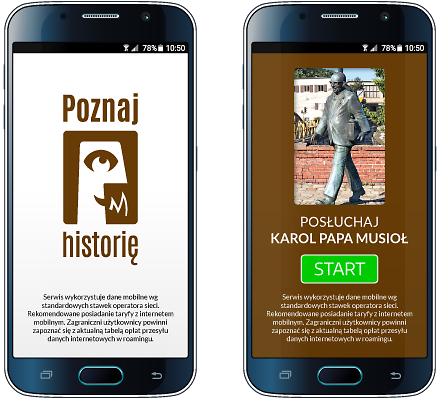
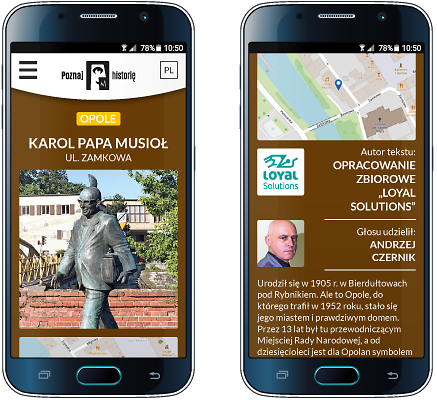
After pointing your smartphone's camera at the QR code located on the right side of the plaque, the app's welcome screen will appear, followed by a screen with the name, photo of the monument, and the "START" button.

STEP 3

The "START" button starts the audio recording process.
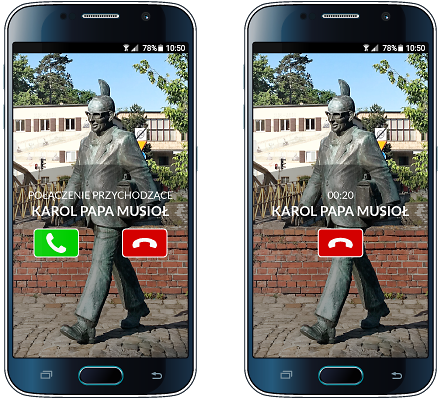
Your smartphone will prompt you with the next steps after you listen to the story or pause it. Please keep an eye on your smartphone screen!

STEP 4

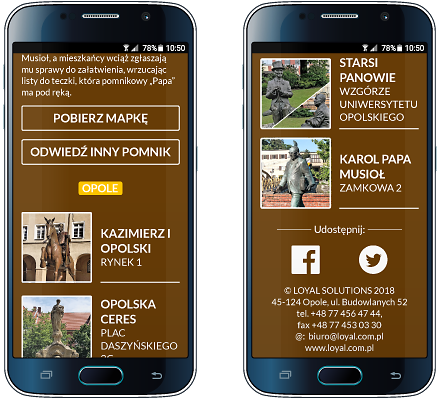
Other available options: brief information about the monument, author of the text and recording, list of other monuments in the city included in the "Discover History" project, downloadable map of monuments, video, and social media links


Would you like to implement the project in your city as well?

Contact

Project partners

Implementing the "Discover history" project in each city requires the involvement of many people: programmers, graphic designers, writers, actors, sound engineers, and coordinators. It is thanks to them that this project came to life.

Our ambition is to continually expand its reach. Therefore, we thank our current partners and invite additional cities, institutions, companies, and individuals to collaborate!


Would you like to become our Partner of the project or monument?

Contact

Contact

Are you interested in implementing the project in your city? Want to learn more? Want to learn more? Write to us, call us! We'll contact you and arrange a meeting. We'll prepare materials and a proposal for you.