Śremski Dobosz
i Rynek

Stojący na Rynku dobosz był uznawany za najładniejszy pomnik powstańczy. Nic dziwnego, skoro zaprojektował go Władysław Marcinkowski, jeden z najlepszych rzeźbiarzy Wielkopolski. Ustawiono go na rynku w 1925 roku.

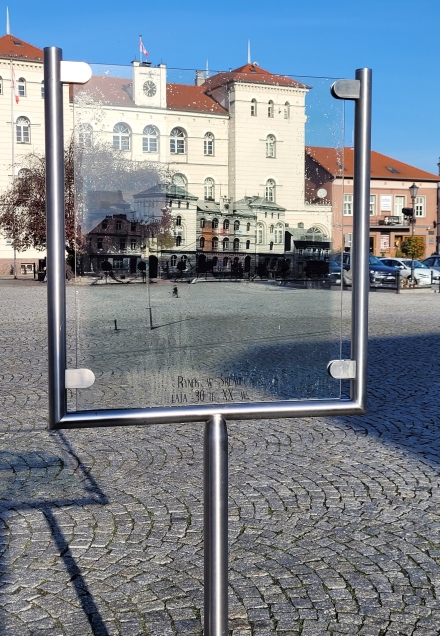
Pomnik stanął w pobliżu XIX-wiecznej figury Matki Boskiej Królowej Polski, upamiętniającej ofiary epidemii dżumy. Zresztą na rynku stoją jeszcze dwie warte uwagi tablice przypominające tragiczne wydarzenia końca lat 30. XX wieku. Pierwszą postawiono ku czci wychowanków Szkoły Podoficerskiej Piechoty dla Małoletnich. Uczyło się tam wielu wybitnych żołnierzy, późniejszych dowódców. Większość z nich oddało swe życie podczas wojny obronnej w 1939 roku. Druga upamiętnia natomiast mieszkańców Śremu, których w listopadzie tego samego roku rozstrzelali hitlerowcy.

Niestety, gdy wybuchła druga wojna rzeźbę Dobosza zniszczyli Niemcy. Ciężki cokół monumentu postanowili natomiast zatopić w bagnie na obrzeżach parku, tak by pamięć o nim zaginęła.

Na szczęście przetrwała garstka tych, którzy rzeźbę pamiętali. [odgłos pracującego dźwigu] Kilka lat po wojnie wydobyli cokół z bagna i ustawili go na nowo, tym razem w parku. W lipcu 1961 r. dodano do niego rzeźbę z brązu. Przedstawiała Wielkopolski Krzyż Powstańczy. Ciągle jednak starano się o przywrócenie oryginalnego wyglądu pomnika. Udało się to się w roku 1969. Replikę zniszczonej rzeźby stworzył poznański artysta Jerzy Sobociński.
Śremski Dobosz  i Rynek
Rynek i dobosz

Visit Social media:

Share Social media:

How it working

To listen to the history of monuments as part of the "Discover History" project, you need to follow a few simple steps. Below, we present a short, step-by-step "user manual" to provide a relatively simple way to access the mini-auditions.

STEP 1

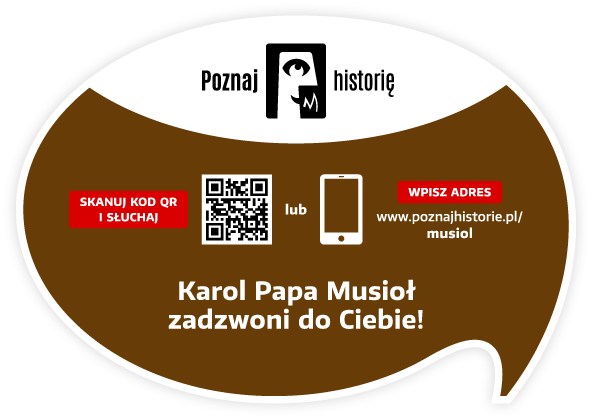
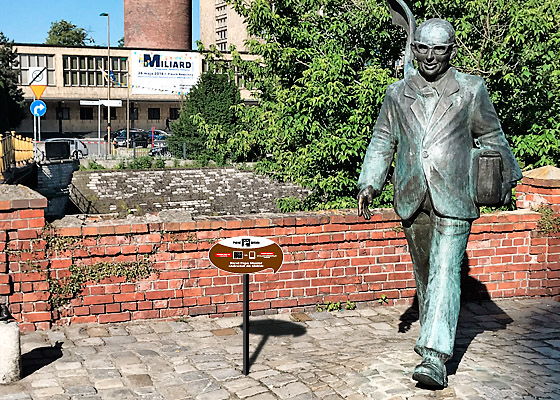
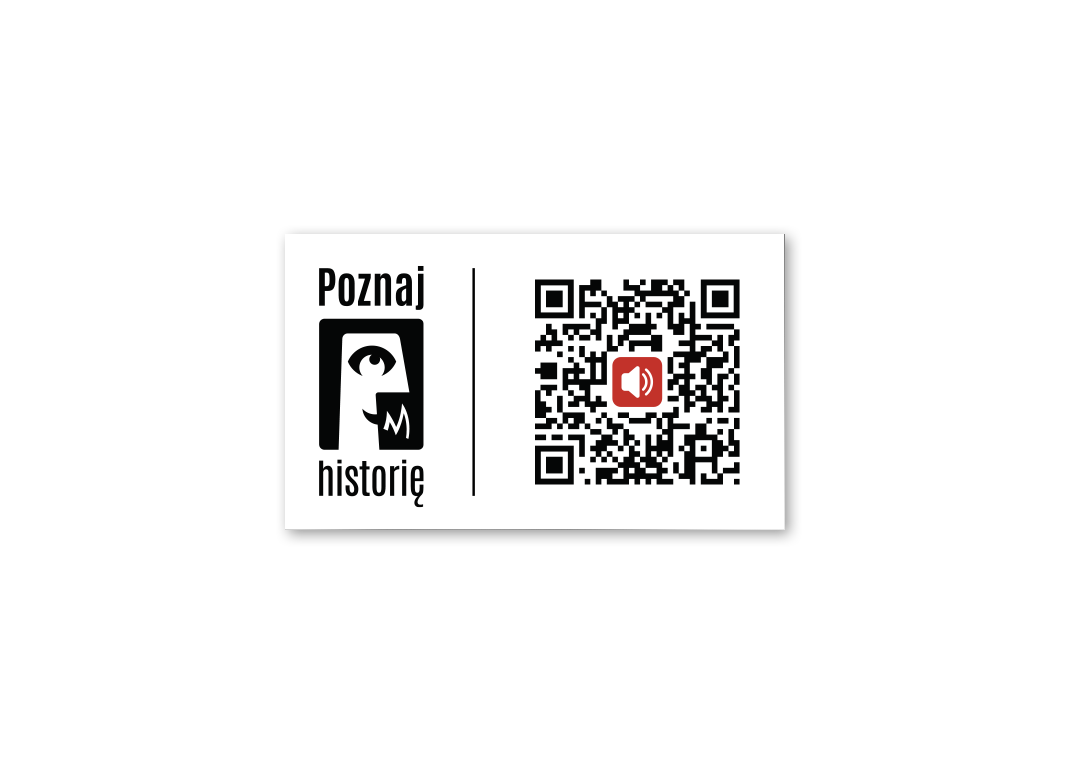
You need a smartphone with a camera. The camera lens should be pointed at the information plaque located next to the monument. Below is a view of the plaque itself and its example location next to the Karol Musioł monument in Opole.

STEP 2

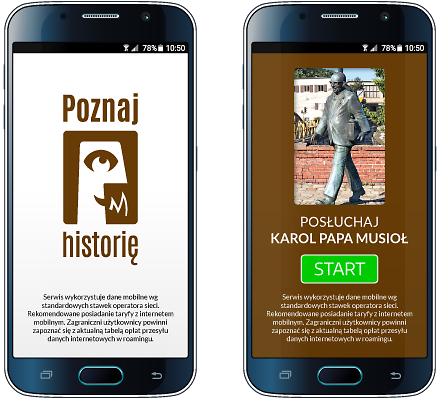
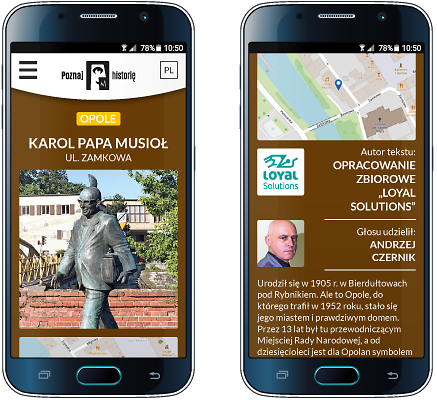
After pointing your smartphone's camera at the QR code located on the right side of the plaque, the app's welcome screen will appear, followed by a screen with the name, photo of the monument, and the "START" button.

STEP 3

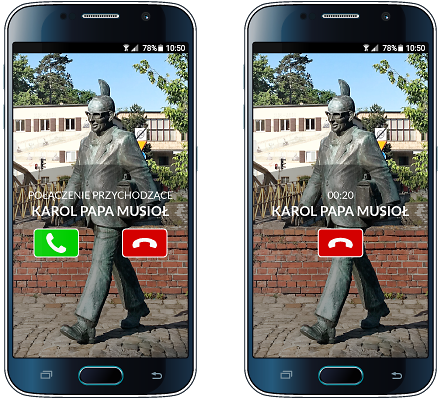
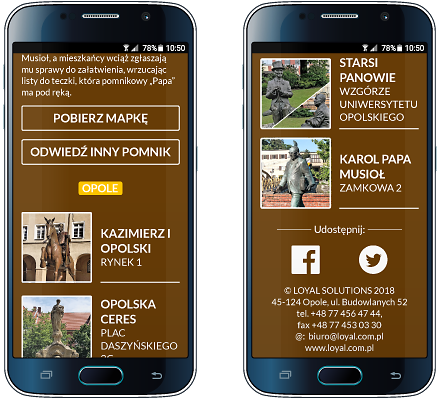
The "START" button starts the audio recording process.
Your smartphone will prompt you with the next steps after you listen to the story or pause it. Please keep an eye on your smartphone screen!

STEP 4

Other available options: brief information about the monument, author of the text and recording, list of other monuments in the city included in the "Discover History" project, downloadable map of monuments, video, and social media links


Would you like to implement the project in your city as well?

Contact

Project partners

Implementing the "Discover history" project in each city requires the involvement of many people: programmers, graphic designers, writers, actors, sound engineers, and coordinators. It is thanks to them that this project came to life.

Our ambition is to continually expand its reach. Therefore, we thank our current partners and invite additional cities, institutions, companies, and individuals to collaborate!


Would you like to become our Partner of the project or monument?

Contact

Contact

Are you interested in implementing the project in your city? Want to learn more? Want to learn more? Write to us, call us! We'll contact you and arrange a meeting. We'll prepare materials and a proposal for you.