Dworzec kolejowy

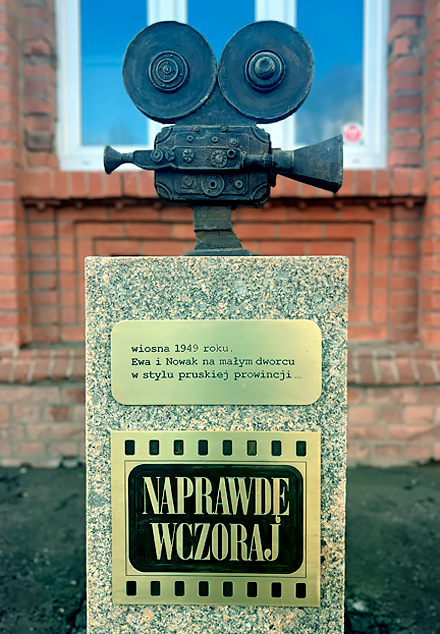
Leopold Tyrmand – pisarz, dziennikarz, propagator jazzu i kontrkultury – swoje „Siedem dalekich rejsów” napisał w latach 50-tych XX wieku. Historia Ewy i Nowaka dzieje się właśnie w Darłowie, wczesną wiosną 1949 roku, w ciągu 3 dni…

Dlatego też film „Naprawdę wczoraj” Jana Rybkowskiego, reżysera także takich tytułów jak „Kariera Nikodema Dyzmy” czy „Chłopi”, nakręcono również tutaj, w Darłowie, w 1963 roku. Jego scenariusz pisał sam Leopold Tyrmand.

Stworzeni przez niego bohaterowie – Ewa i Nowak – będą naszymi przewodnikami na Darłowskim Szlaku Literackim. Ten szlak oparty został na ich historii i wiedzie przez Darłowo po tych miejscach, w których bywali. Został sfinansowany przez miasto w ramach Budżetu Obywatelskiego, jako projekt Krystyny Różańskiej. Powstał dlatego, że mieszkańcy Darłowa nań zagłosowali, bo uznali, iż ta historia warta jest zapamiętania.

Opowieść zaczyna się właśnie tu, na stacji PKP, gdzie spotyka się dwójka bohaterów. Darłowski dworzec powstał w 1878 roku. Połączył kurort i tutejszy port z południowymi Kaszubami, z całym Pomorzem. Stąd było połączenie z Korzybiem, Bytowem, ze Sławnem i dalej w stronę Gdańska, Szczecina, Berlina, w świat… Przed II wojną światową stacja ta nazywała się Rügenwalde, a krótko po wojnie Derłów. Dziś siedzibę ma tu między innymi Poczekalnia Kultury, w której mieści się wystawa „Rodzina darłowska od 1945 roku”.
Dworzec kolejowy
Dworzec kolejowy

Visit Social media:

Share Social media:

How it working

To listen to the history of monuments as part of the "Discover History" project, you need to follow a few simple steps. Below, we present a short, step-by-step "user manual" to provide a relatively simple way to access the mini-auditions.

STEP 1

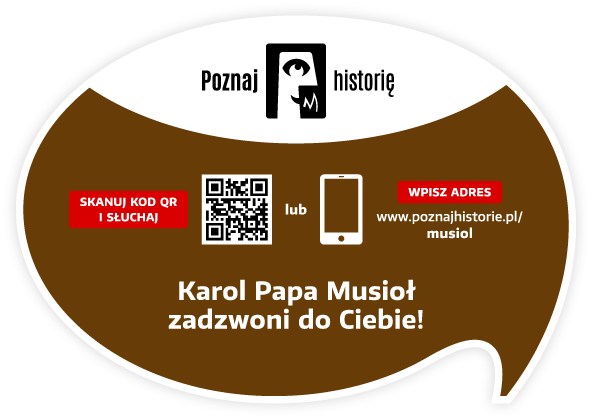
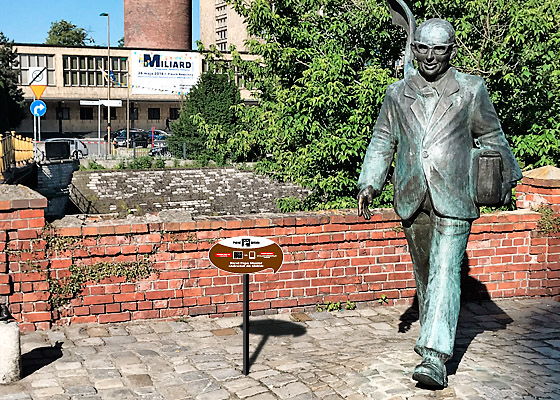
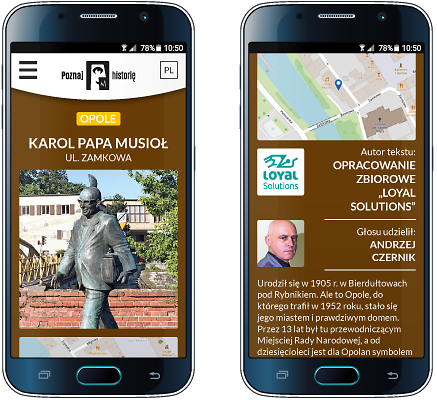
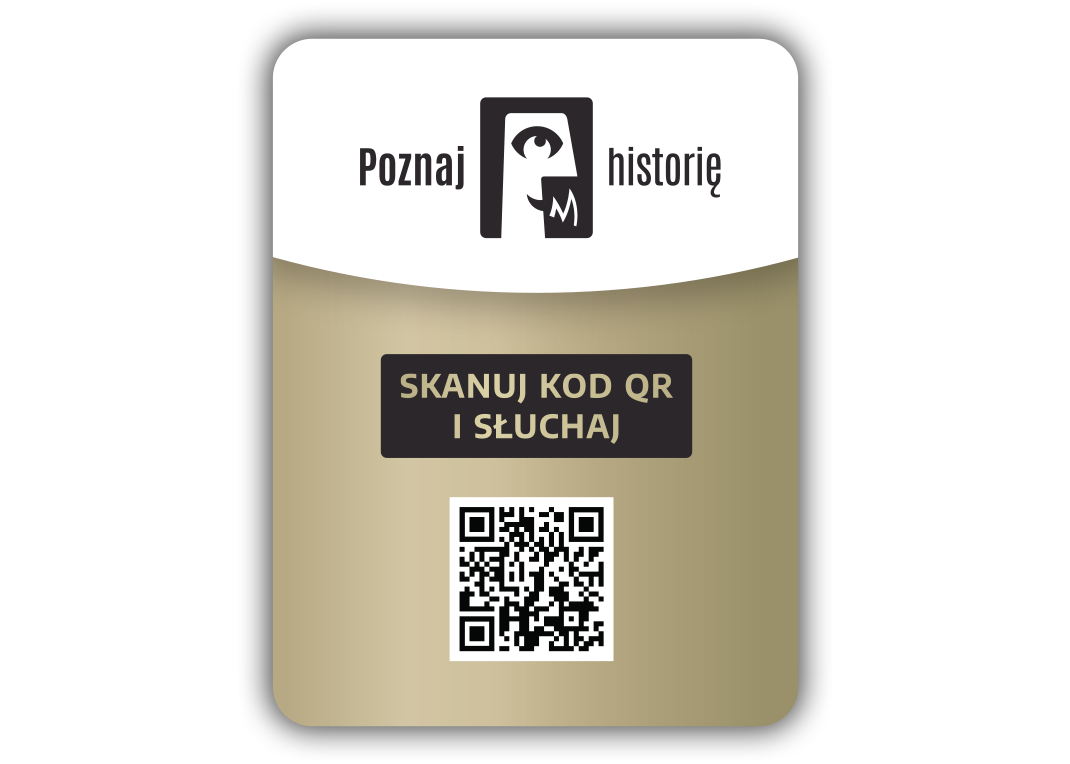
You need a smartphone with a camera. The camera lens should be pointed at the information plaque located next to the monument. Below is a view of the plaque itself and its example location next to the Karol Musioł monument in Opole.

STEP 2

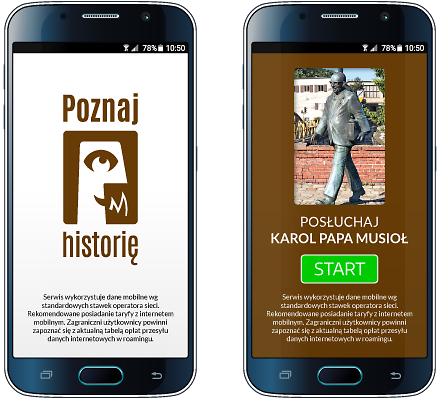
After pointing your smartphone's camera at the QR code located on the right side of the plaque, the app's welcome screen will appear, followed by a screen with the name, photo of the monument, and the "START" button.

STEP 3

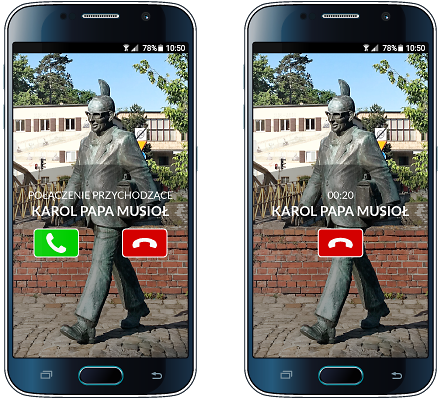
The "START" button starts the audio recording process.
Your smartphone will prompt you with the next steps after you listen to the story or pause it. Please keep an eye on your smartphone screen!

STEP 4

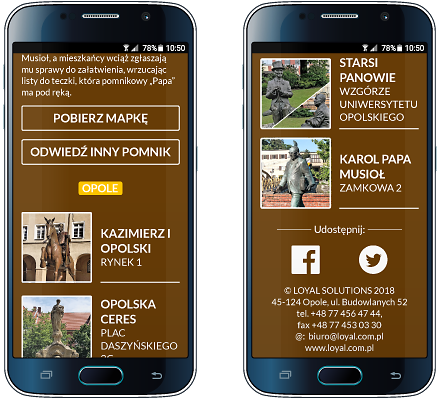
Other available options: brief information about the monument, author of the text and recording, list of other monuments in the city included in the "Discover History" project, downloadable map of monuments, video, and social media links


Would you like to implement the project in your city as well?

Contact

Project partners

Implementing the "Discover history" project in each city requires the involvement of many people: programmers, graphic designers, writers, actors, sound engineers, and coordinators. It is thanks to them that this project came to life.

Our ambition is to continually expand its reach. Therefore, we thank our current partners and invite additional cities, institutions, companies, and individuals to collaborate!


Would you like to become our Partner of the project or monument?

Contact

Contact

Are you interested in implementing the project in your city? Want to learn more? Want to learn more? Write to us, call us! We'll contact you and arrange a meeting. We'll prepare materials and a proposal for you.