Maków Podhalański

Maków Podhalański – serce Beskidu Makowskiego. To malownicze miasto w województwie małopolskim, położone nad rzeką Skawą, na wysokości ok. 455 m n.p.m., u podnóża Beskidu Makowskiego. Dzięki wyjątkowemu położeniu i bogatej przeszłości uchodzi za jeden z ciekawszych ośrodków regionu.

Początki osadnictwa na tych terenach sięgają średniowiecza – pierwsze wzmianki o Makowie pojawiły się już w XIV wieku. Początkowo miejscowość rozwijała się jako osada rolnicza, a z czasem stała się znaczącym ośrodkiem rzemiosła i handlu. Ważnym miejscem w historii miasta jest kościół pw. Przemienienia Pańskiego, którego początki sięgają XVI wieku. Świątynia, wielokrotnie przebudowywana, do dziś zachwyca barokowym wystrojem i słynie z kultu obrazu Matki Boskiej Makowskiej, czczonej przez pielgrzymów z całej Małopolski. W czasie II wojny światowej Maków Podhalański był aktywnym ośrodkiem ruchu oporu. Do dziś w mieście można znaleźć miejsca pamięci związane z tym okresem, które są częścią lokalnej tożsamości.

Położenie Makowa sprawia, że jest on idealną bazą wypadową w Beskidy. Blisko stąd do Babiej Góry, najwyższego szczytu Beskidu Żywieckiego, a także do popularnych miejscowości takich jak Zawoja czy Sucha Beskidzka. Liczne szlaki piesze i rowerowe prowadzą w głąb gór i dolin, a sama Skawa sprzyja rekreacji.Miasto słynie także z dorocznych wydarzeń kulturalnych, takich jak Dni Ziemi Makowskiej, festyny regionalne czy koncerty plenerowe, podczas których prezentowany jest folklor i tradycje Podhala.

Maków Podhalański
Maków Podhalański 

Visit Social media:

Share Social media:

How it working

To listen to the history of monuments as part of the "Discover History" project, you need to follow a few simple steps. Below, we present a short, step-by-step "user manual" to provide a relatively simple way to access the mini-auditions.

STEP 1

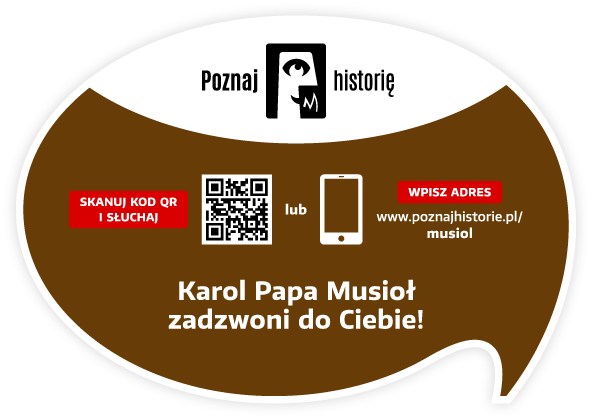
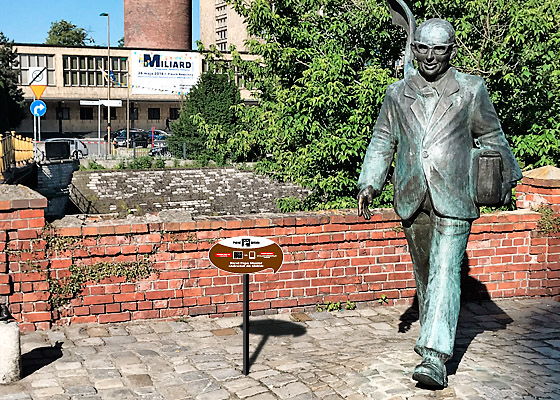
You need a smartphone with a camera. The camera lens should be pointed at the information plaque located next to the monument. Below is a view of the plaque itself and its example location next to the Karol Musioł monument in Opole.

STEP 2

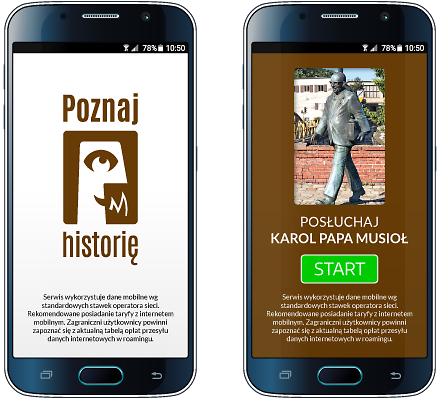
After pointing your smartphone's camera at the QR code located on the right side of the plaque, the app's welcome screen will appear, followed by a screen with the name, photo of the monument, and the "START" button.

STEP 3

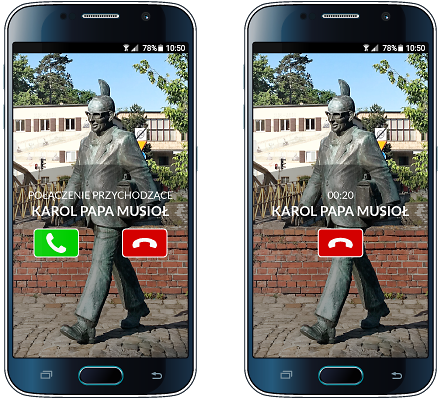
The "START" button starts the audio recording process.
Your smartphone will prompt you with the next steps after you listen to the story or pause it. Please keep an eye on your smartphone screen!

STEP 4

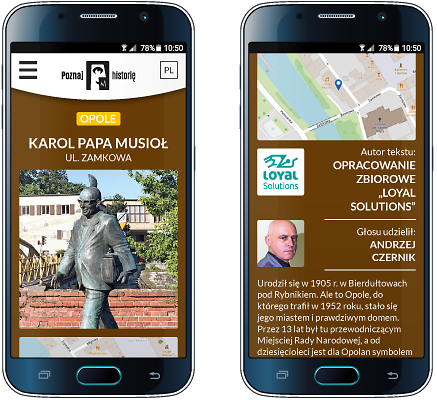
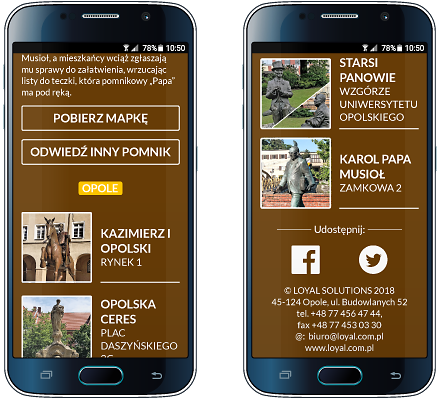
Other available options: brief information about the monument, author of the text and recording, list of other monuments in the city included in the "Discover History" project, downloadable map of monuments, video, and social media links


Would you like to implement the project in your city as well?

Contact

Project partners

Implementing the "Discover history" project in each city requires the involvement of many people: programmers, graphic designers, writers, actors, sound engineers, and coordinators. It is thanks to them that this project came to life.

Our ambition is to continually expand its reach. Therefore, we thank our current partners and invite additional cities, institutions, companies, and individuals to collaborate!


Would you like to become our Partner of the project or monument?

Contact

Contact

Are you interested in implementing the project in your city? Want to learn more? Want to learn more? Write to us, call us! We'll contact you and arrange a meeting. We'll prepare materials and a proposal for you.