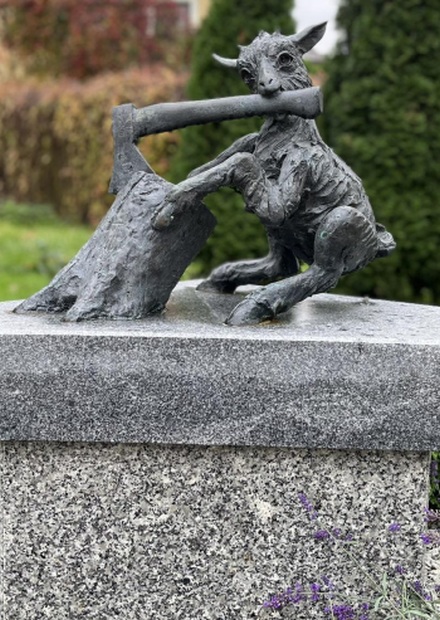
Koziołek drwal

Koziołek drwal to nawiązanie do historii Kłodnicy. Była ona jednym z czterech miast – obok Kędzierzyna, Koźla i Sławięcic - które w 1975 roku połączono w Kędzierzyn -Koźle. Dziś jest osiedlem miasta.

Najpowszechniejsze jest przekonanie, że Kłodnica oznaczała rzekę niosącą kłody. A faktycznie setki lat temu wyrąb drzew i spławianie ich kłód wodą było jednym z głównych zajęć okolicznych mieszkańców.


Słynny wódz Napoleon Bonaparte przysłużył się mocno miejscowej ludności. Po zwycięstwie nad Prusami wymusił na królu pruskim zniesienie pańszczyzny i uwłaszczenie chłopów. Jednak dokumenty własności ziemi, mocno niechętnie, przekazano kłodnickim chłopom dopiero w roku 1814. Upamiętnia to kapliczka wotywna z zachowanym po dziś dzień napisem „W podziękowaniu za zniesienie pańszczyzny 1814”. Ale czymś, co najbardziej zmieniło to miejsce, było wybudowanie Kanału Kłodnickiego.


Stał się on źródłem utrzymania dla mieszkańców całego regionu. Na jego brzegu kwitł handel i usługi. U ujścia do Odry wybudowano port, a potem Kanał Gliwicki. To przyczyniło się do znacznego rozwoju osady, która z czasem rozrosła się do rozmiarów miejskich. Ostatnich flisaków, spławiających drewniane kłody, widziano tu podobno w latach 20-tych ubiegłego wieku.
Koziołek drwal
Koziołek drwal

Visit Social media:

Share Social media:

How it working

To listen to the history of monuments as part of the "Discover History" project, you need to follow a few simple steps. Below, we present a short, step-by-step "user manual" to provide a relatively simple way to access the mini-auditions.

STEP 1

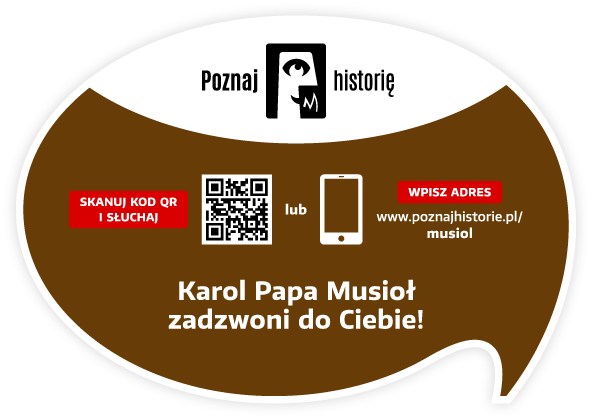
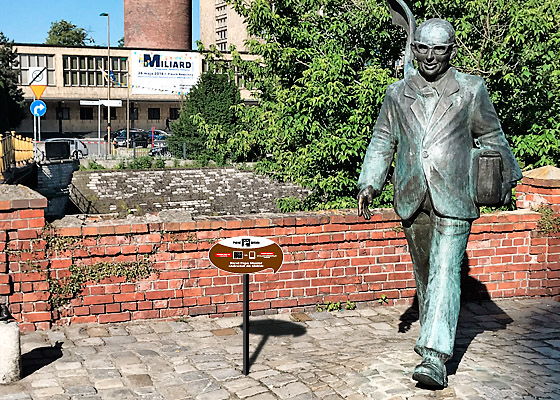
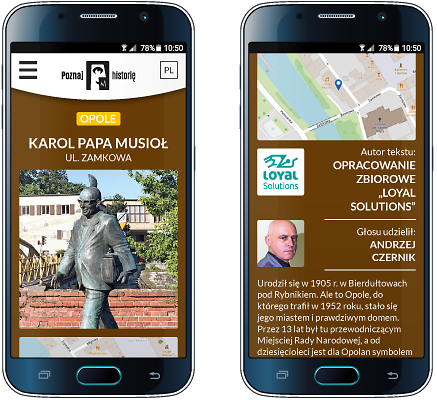
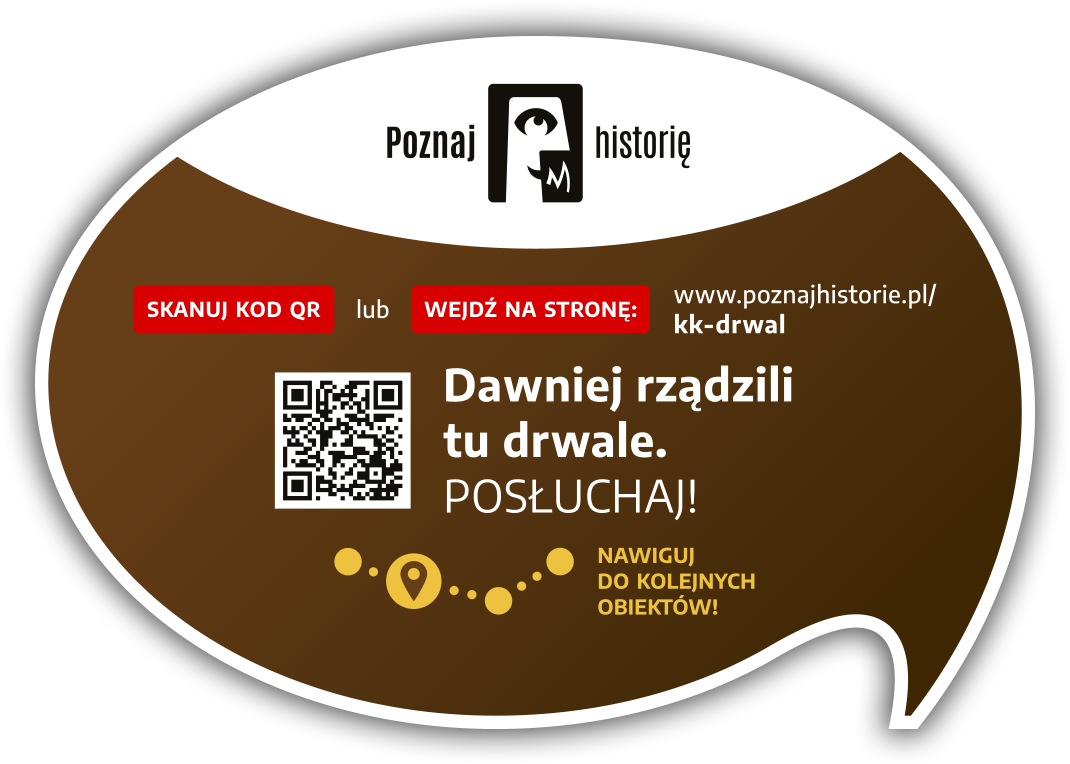
You need a smartphone with a camera. The camera lens should be pointed at the information plaque located next to the monument. Below is a view of the plaque itself and its example location next to the Karol Musioł monument in Opole.

STEP 2

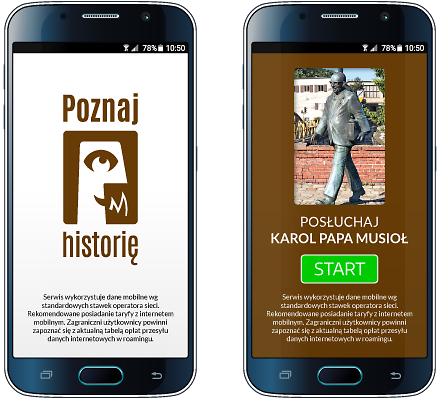
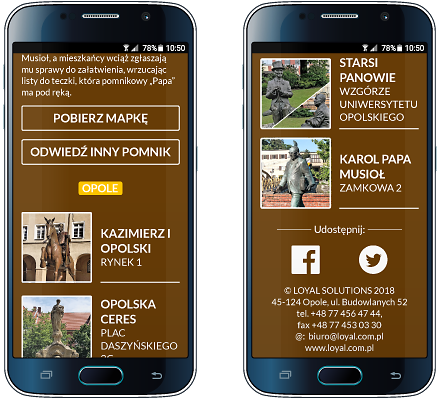
After pointing your smartphone's camera at the QR code located on the right side of the plaque, the app's welcome screen will appear, followed by a screen with the name, photo of the monument, and the "START" button.

STEP 3

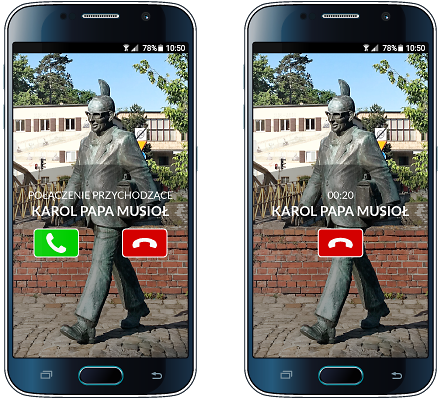
The "START" button starts the audio recording process.
Your smartphone will prompt you with the next steps after you listen to the story or pause it. Please keep an eye on your smartphone screen!

STEP 4

Other available options: brief information about the monument, author of the text and recording, list of other monuments in the city included in the "Discover History" project, downloadable map of monuments, video, and social media links


Would you like to implement the project in your city as well?

Contact

Project partners

Implementing the "Discover history" project in each city requires the involvement of many people: programmers, graphic designers, writers, actors, sound engineers, and coordinators. It is thanks to them that this project came to life.

Our ambition is to continually expand its reach. Therefore, we thank our current partners and invite additional cities, institutions, companies, and individuals to collaborate!


Would you like to become our Partner of the project or monument?

Contact

Contact

Are you interested in implementing the project in your city? Want to learn more? Want to learn more? Write to us, call us! We'll contact you and arrange a meeting. We'll prepare materials and a proposal for you.